 by
by Man Installed a Speed Bump Himself, But It Was Quickly Removed
Many of us have seen an irresponsible driver speeding down a residential street and thought, “I wish someone would slow them down.” One man from Lincoln Park, Michigan, south of Detroit, decided to take matters into his own hands.
One Sunday, he spent his own money to install an asphalt speed bump on his street. As it turned out, the structure lasted less than an hour, but the incident is still being discussed days later.
The Story of Dale Wells and His Homemade Traffic Calming Device
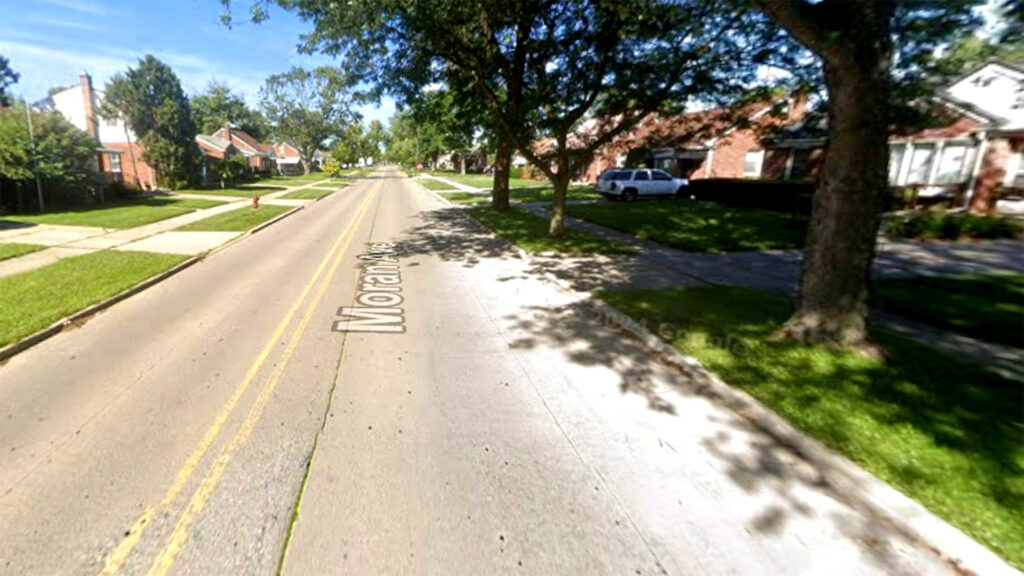
According to WDIV, the man’s name is Dale Wells. He lives on Moran Avenue, where he says drivers constantly speed. “It’s dangerous,” Wells said. “They blow through the stop sign like crazy, especially around ten at night. They don’t see the light and just keep going.” He began building his speed bump around 6:00 p.m. on Sunday. Police arrived within minutes and ordered the structure to be destroyed.
Wells says he is frustrated with the situation because he has called the police multiple times, but besides that, the original report lacks many details. For example, it does not specify the speed limit on Moran Avenue. A quick search on Google Maps shows it is 25-30 mph, but that is not enough.
Is Speed Really the Problem?
Is the road too wide? What is the distance between intersections? Do parked cars narrow the roadway? Are there bike lanes, trees, crosswalks, or other traffic calming measures? And most importantly: has anyone collected actual speed data? This is not nitpicking. Traffic engineers usually start not with feelings, but with measurements. The procedure in Lincoln Park seems to acknowledge this: first complaints, then traffic studies, and only then — consideration of infrastructure changes.
Post shared by Local 4 News Detroit (@local4news)
Road Design Speaks Louder Than Signs
Honestly, Wells might be right, but not with a homemade speed bump. Transportation studies have repeatedly shown that road design strongly influences driver behavior. Wide, straight roads with long sightlines naturally encourage higher speeds, often regardless of posted limits. In other words, drivers react more to what the road looks like than to what signs say.
A narrow road with poor visibility may have an 80 mph speed limit, but due to conditions, drivers are unlikely to reach even half that. If speeding is indeed a problem on Moran Avenue, infrastructure changes such as curb extensions, chicanes, lane narrowing, raised crosswalks, legal speed bumps, or redesigned intersections would be far more effective than occasional police patrols.
Wells may have identified the right type of solution, but he probably chose the worst way to implement his grand plan.
Neighbors Still Want Speed Bumps
According to residents of the street, they hope the city will eventually approve the installation of speed bumps. For now, we all know what type cannot be installed without prior permission.
Google Maps Screenshot
This story highlights how complex the problem of road safety in residential areas is. While the resident’s initiative is understandable, it demonstrates that emotional solutions are rarely effective without proper planning and permits. Instead, a systematic approach involving local authorities, data collection, and professional road design can not only solve the speed problem but also avoid the legal and safety risks associated with DIY actions. It is worth noting that similar incidents occur in different countries, and they often become a catalyst for real changes in urban infrastructure if the community unites and appeals to official bodies.