 by
by Massachusetts launches large-scale program to counter wrong-way driving
Infrastructure plays a huge role in how we all navigate the roads today. Most people don’t think about it, but it affects speed, congestion, safety, and even direction of travel. Now, Massachusetts is preparing one of the largest wrong-way driving prevention programs ever seen in America. It will use both high-tech and simple solutions to overhaul over 400 high-risk locations across the state.
This leaves us with an uncomfortable question. Why are so many roads so confusing that this technology becomes necessary?
The announcement came after several high-profile fatal accidents, including one that claimed the life of Massachusetts State Police officer Kevin Trainor. State officials say wrong-way crashes remain relatively rare, but when they happen, the consequences are often catastrophic. The most surprising thing is that it’s not about drunk drivers, but ordinary citizens who simply made a wrong turn.
Sensors that detect mistakes early
That’s why Massachusetts plans to spend between $50 and $75 million to implement new prevention and detection systems at over 400 locations across the state, with a total of over 500 high-risk sites planned to be covered. The high-tech equipment will include thermal sensors to monitor highway exits.
When sensors detect a vehicle traveling the wrong way, they can immediately activate signs designed to warn the driver that they have made a wrong turn. The systems will also send real-time alerts to transportation officials and law enforcement, potentially cutting response time if the driver ignores the warning.
According to state officials who spoke with WBUR, a similar system already appears to be working. One driver reportedly turned around without incident after warnings were triggered in Danvers earlier this week. But technology is only part of the plan.
Simple solutions complement technology
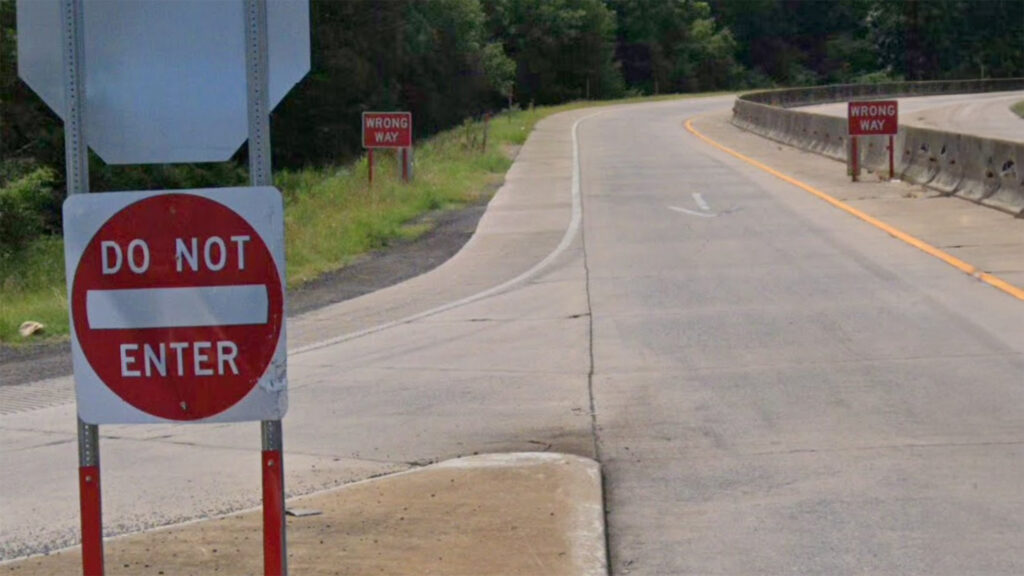
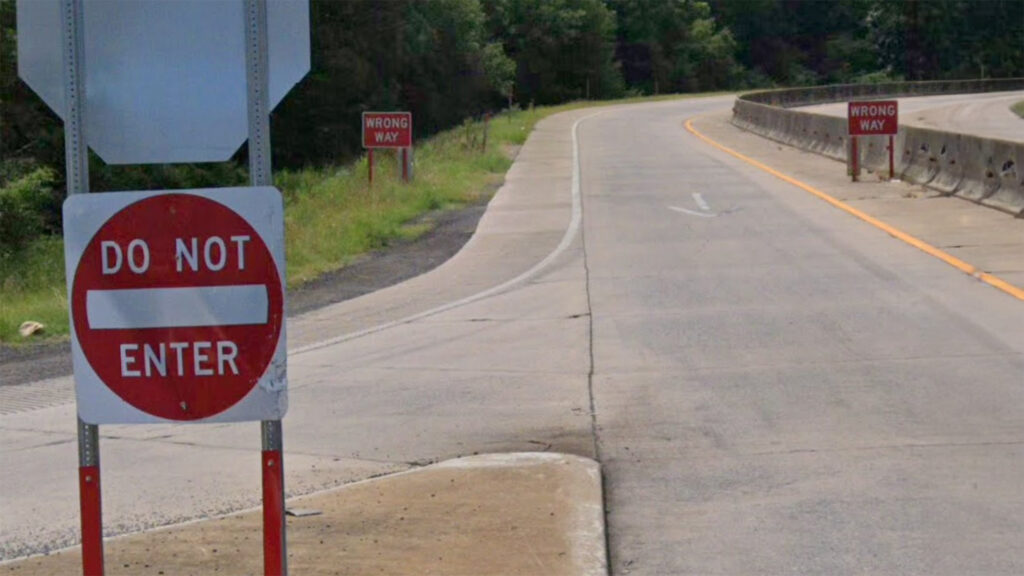
Massachusetts also plans to install additional “WRONG WAY” and “DO NOT ENTER” signs, improve road markings, add directional arrows, enhance lighting, realign curbs and medians, modify exit configurations, improve traffic flow, and redesign interchanges with a history of wrong-way incidents.
In neighboring Rhode Island, a similar program is in place, and reports indicate a decrease in wrong-way incidents. It will take months, or even years, before Massachusetts completes its program, and we will see if it yields results. The state’s broader plan could simply become a valuable lesson for others.
Sometimes the best way to prevent wrong-way driving is not to try to catch the driver after they’ve already started, but to design roads so that they aren’t so confusing that this technology is needed in the first place.
Main photo: Google Maps
Massachusetts’ approach demonstrates that even in highly developed regions, infrastructure can be imperfect, and this leads to tragic consequences. Combining expensive sensors with simple yet effective changes in road planning could serve as a model for other states. It is worth noting that while technology helps correct mistakes, the main goal is to make those mistakes impossible from the start, which requires a careful review of road network design.