 by
by Battery problem: sudden loss of power
When a gasoline car unexpectedly stalls, it is often possible to fix it on the spot and drive to a service center. However, when an electric vehicle suddenly stops, the only option is to call a tow truck. This is the situation tens of thousands of Toyota, Subaru, and Lexus owners may face. These automakers have just announced the recall of nearly 21,000 electric cars that can lose drive power without any warning.
Scope of the recall and technical reason
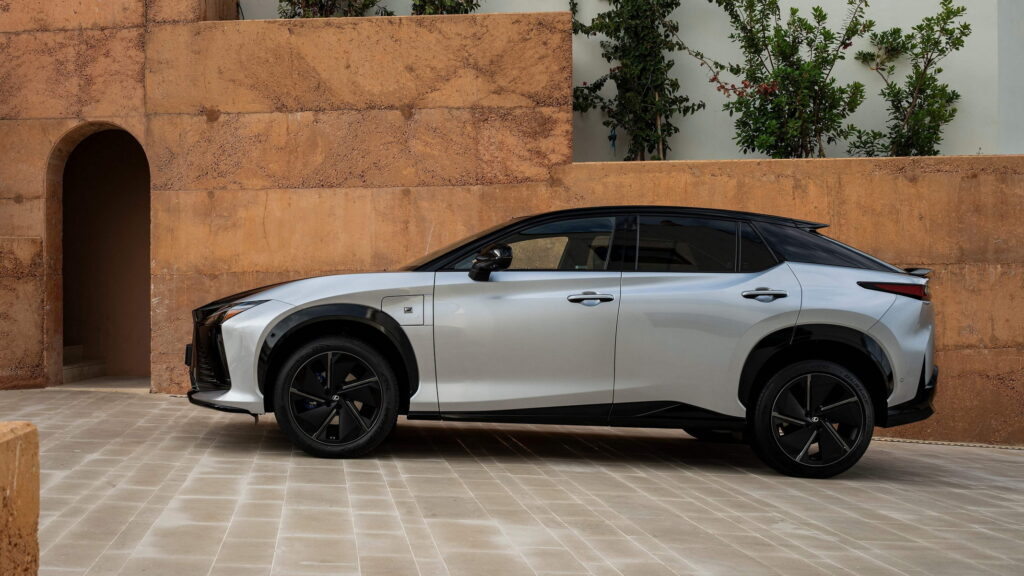
The recall covers 20,991 vehicles in the US, including:
All these vehicles were manufactured between April 2025 and April 2026. According to documents Toyota submitted to the NHTSA, the problem lies in the battery control unit (ECU) produced by Denso. The special software of this unit can cause a defect.
How does the malfunction occur?
At the core of the problem is the battery management system. Toyota explains that the battery ECU contains two integrated circuits which may sometimes overwrite data in the same memory area. When this happens repeatedly, the ECU fails its operational check.
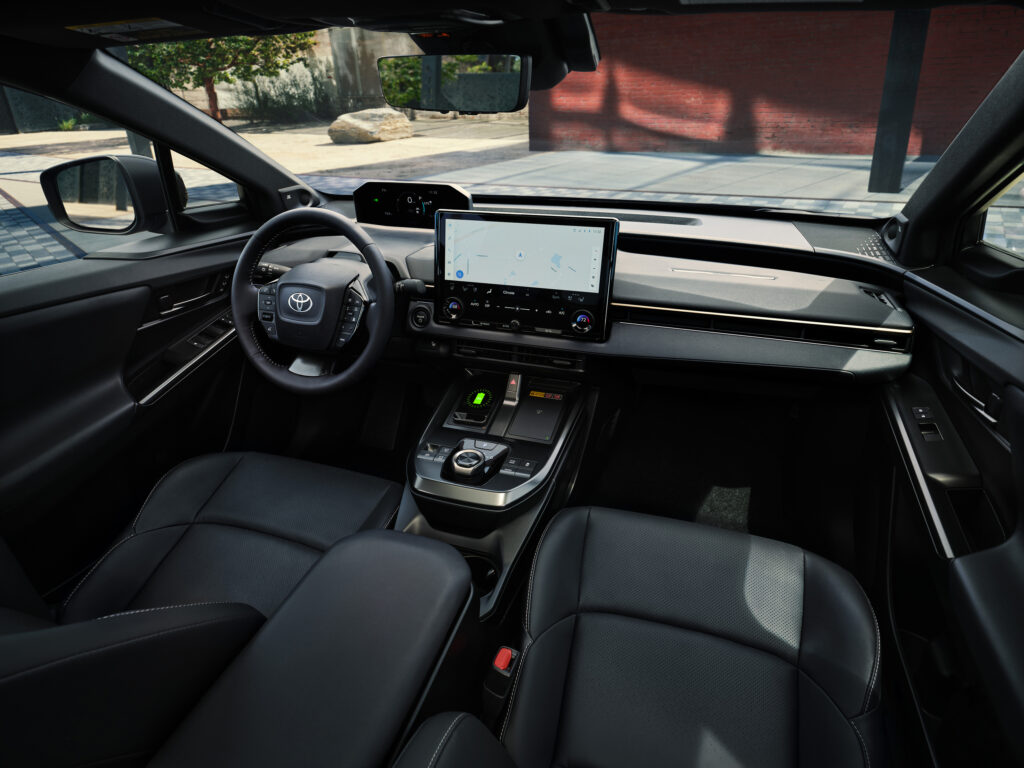
Drivers will first see an “EV System Malfunction” message along with several warning indicators. If too many failures occur, the electric drive system may completely shut down. Steering and brakes remain functional, but the vehicle stops moving.
Timeline of defect discovery
The story of how the problem was discovered is interesting. During the development of a plug-in hybrid model in 2025, Toyota found a similar memory overwrite failure. At the time, engineers concluded that this issue did not apply to their fully electric vehicles due to different operating cycles.
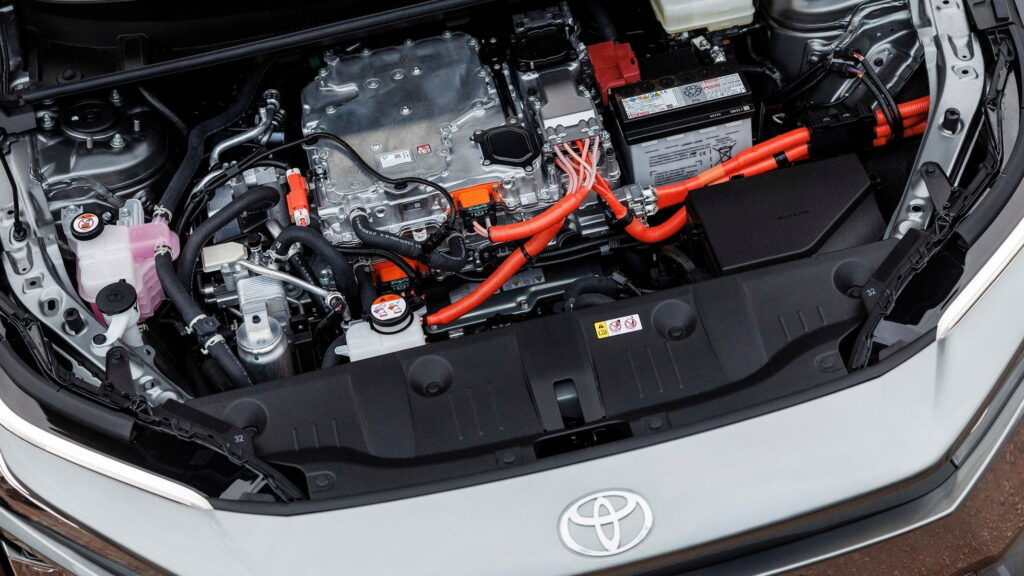
However, in April 2026, during a routine analysis of remote diagnostic data, engineers found evidence to the contrary. Additional tests showed that under certain conditions, particularly with increased processor load, which can occur when the battery charge is low, a memory conflict is indeed possible.
Consequences and solution
Toyota’s testing showed that the malfunction can occur at any speed and also affect systems such as the Pre-Collision System (PCS) and Vehicle Stability Control (VSC). The automaker reports one warranty claim in the US related to this issue, but no field reports of incidents. Owners do not need to stop driving or park their vehicles outside, but they must visit a dealer for a software update.
This case highlights the complexity of modern electric vehicles, where even a minor software glitch can lead to a complete loss of drive power. Although manufacturers already had experience with a similar problem on hybrids, its occurrence on electric vehicles came as a surprise. The timely detection of the defect through remote data monitoring demonstrates progress in diagnostics, but also reminds us of the need for thorough software testing under various operating conditions. For owners, this means an additional trip to the service center, but fortunately, without a safety risk, as the steering and braking systems remain operational even when the traction motor is completely shut down.