 by
by The End of an Era of Characteristic Sound
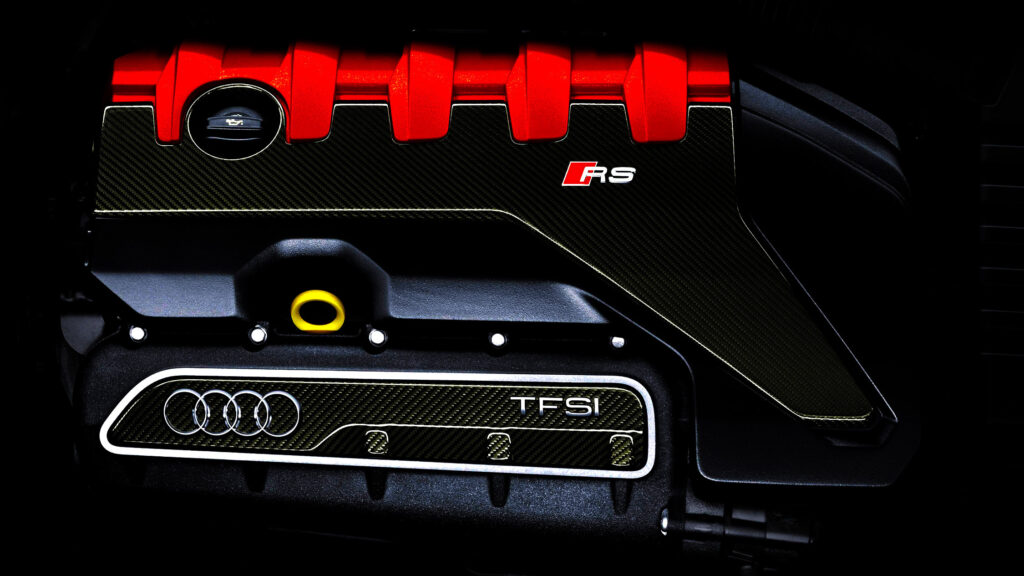
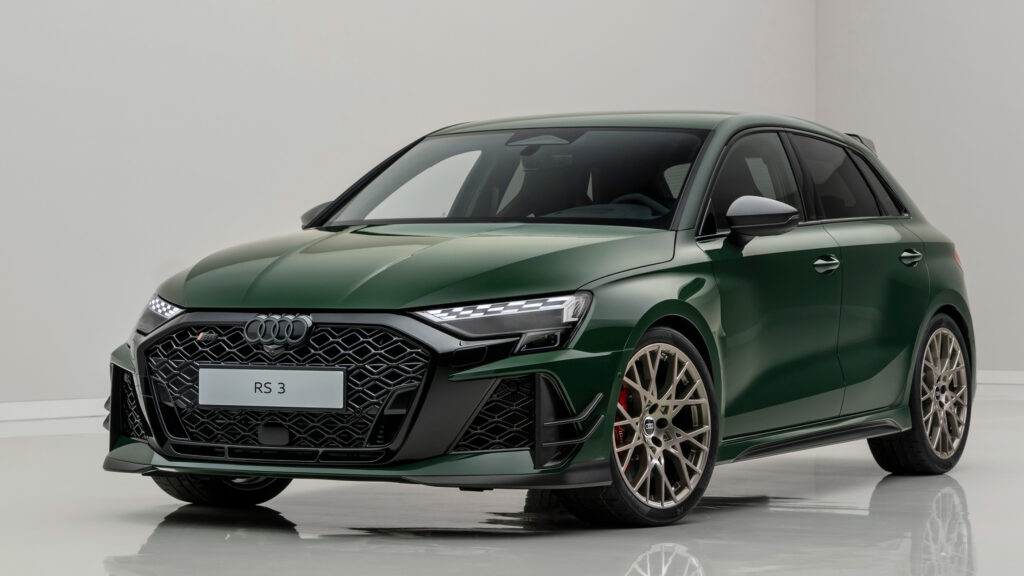
Having recently celebrated the 50th anniversary of its iconic five-cylinder engine with a limited-run RS3 Competition edition, Audi is preparing to finally retire it. As reported by German media, the company has decided to remove this engine from its European model lineup by the end of the current calendar year.
The reason is the new stringent Euro-7 emission standards, compliance with which would require deep and very expensive re-engineering of the engine. An Audi representative commented to Automobilwoche:
As of today, there are no plans to revive the five-cylinder engine.
Instead, the brand is concentrating investments on developing electric vehicles while simultaneously optimizing costs to increase profitability.
Temporary Reprieve for the USA
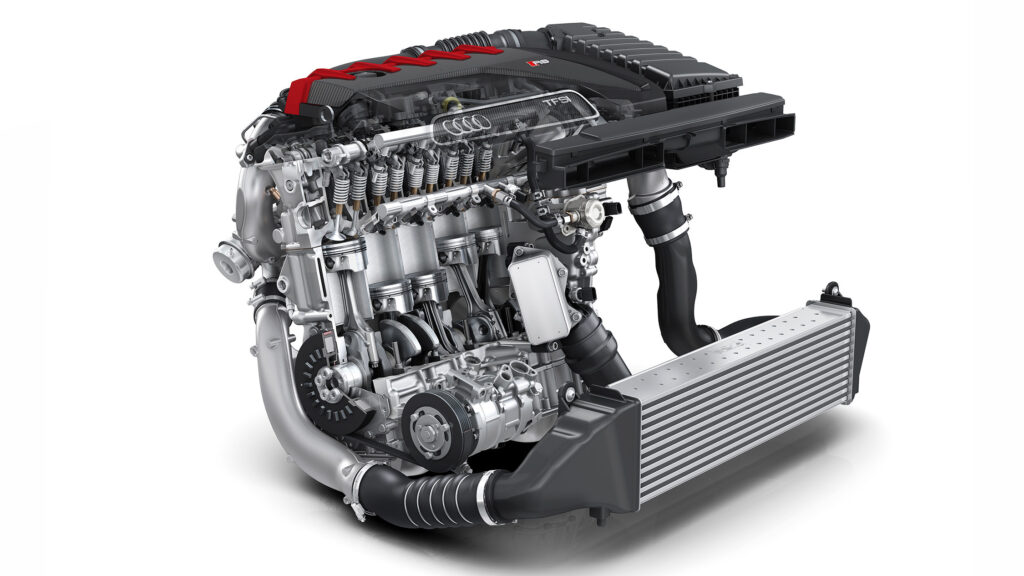
This means the charismatic 395-hp 2.5 TFSI engine that powered the RS3 sedan and hatchback will gradually disappear, though not instantly. According to information, some markets, particularly the American one, will have the opportunity to purchase these cars a bit longer. The assembly line at the plant in Hungary is expected to run until mid-2027 before production is completely halted.
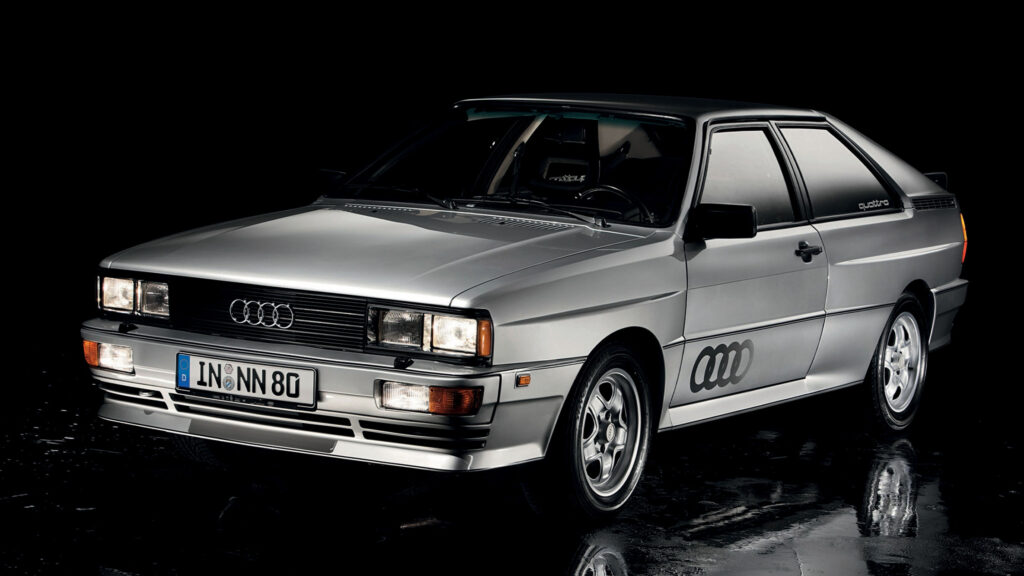
This is a quiet finale for an engine that itself was never quiet. Its unique firing order created that distinctive guttural sound that became Audi’s signature, especially in the original Quattro. In the 1980s, this combination of turbo power and all-wheel drive helped shape the modern era of rally racing.
Historical Role and Modern Realities
However, the five-cylinder engine was important not only for motorsport. It also helped Audi move up into the premium segment in the late 1970s, providing the Audi 100 model with smooth and effortless power unavailable at the time from four-cylinder counterparts.
This is what makes the loss so palpable. It’s not just the discontinuation of one engine, but the disappearance of an entire type of powertrain – unusual, characterful, with its own personality. Several decades ago, the automotive world was an eclectic playground: rotary engines buzzed, large naturally aspirated motors roared, and “quirky” designs like the inline-five found their niche.
A Step Towards Unification
Today, the picture is more monotonous. Dominance belongs to turbocharged four-cylinder engines, supercharged sixes, and twin-turbo V8s. They are fast, efficient, and certainly powerful. But they are also becoming increasingly similar to each other. Therefore, when Audi’s five-cylinder engine finally falls silent, it will not be just the end of one technology. It will be another unique voice in the choir fading away, a choir that grows smaller every year.
This decision clearly fits into the overall strategy of the Volkswagen Group, where large-scale electrification has been declared a priority. Moving away from such engineering peculiarities as the inline-five is the price for standardization and development savings in an era when core resources are directed towards creating platforms for electric vehicles. For many enthusiasts, this engine embodied engineering boldness and the mechanical soul of the brand, so its departure is perceived as a symbolic milestone concluding an entire era in automobile manufacturing. The future belongs to efficiency, but the past leaves behind a unique soundtrack that has forever inscribed Audi in automotive history.