 by
by A Step Back in the Autonomy Race
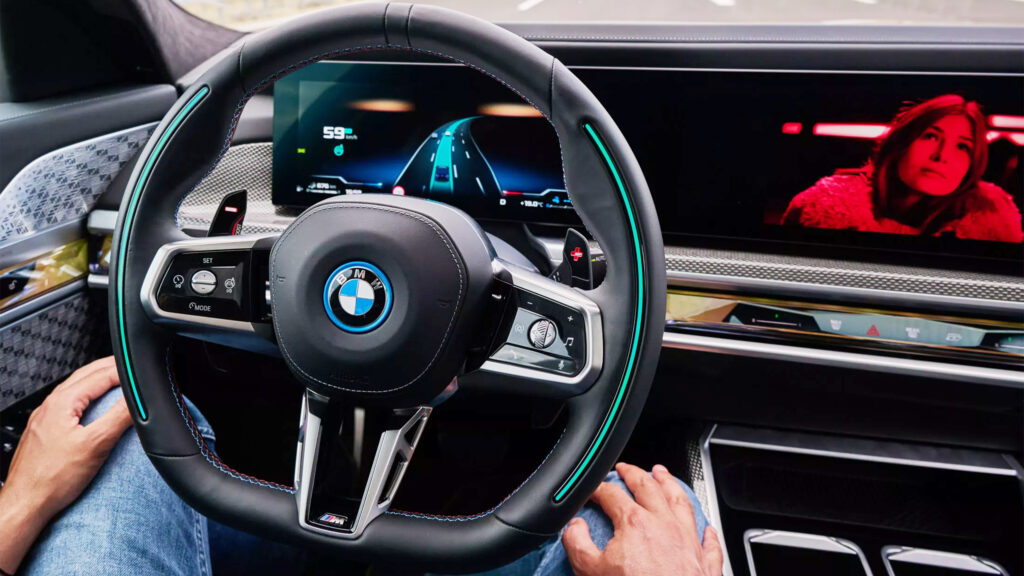
While the automotive world is accelerating towards full autonomy, not all manufacturers are moving forward. It turns out that BMW will take a step back and discontinue the use of the Level 3 system in the future updated 7-Series in favor of a simpler Level 2 system. BMW is not alone in this move, similar steps are being taken by Stellantis and Mercedes.
Expected Model Update
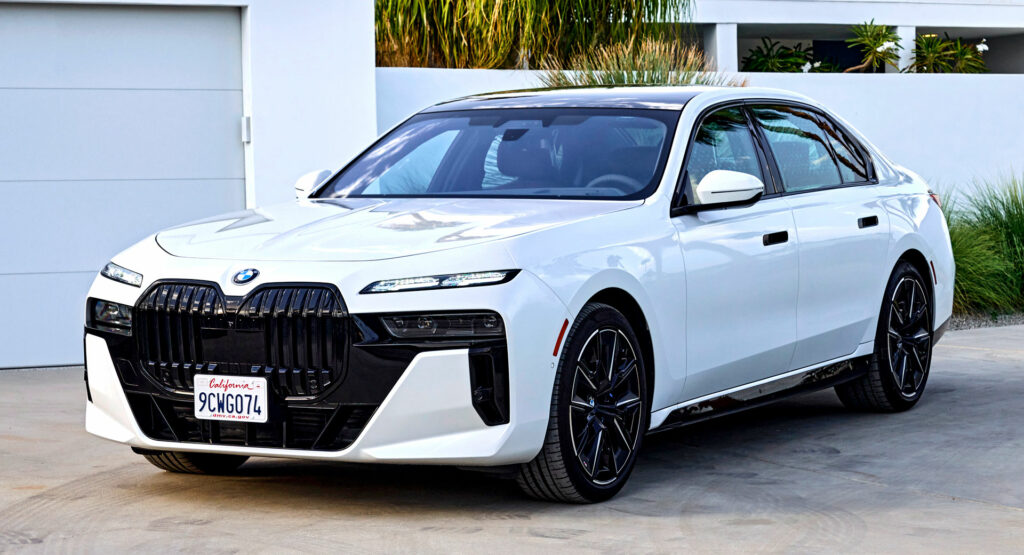
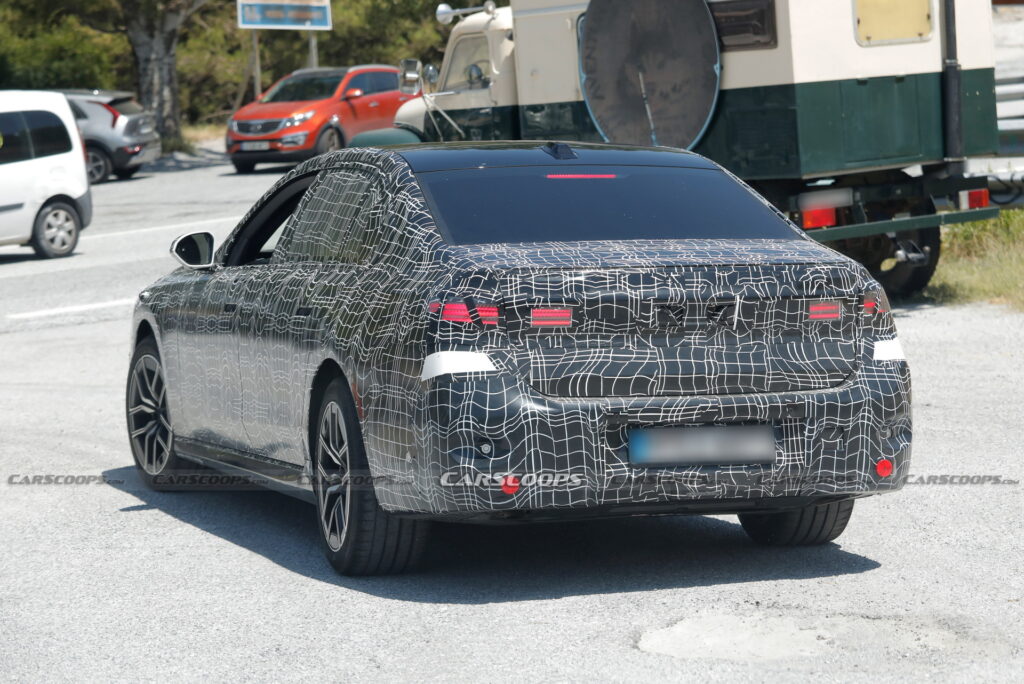
The current 7-Series is preparing for a facelift, which will include design inspired by the Neue Klasse. The presentation is expected as early as April. The car should look noticeably more modern than the previous model.
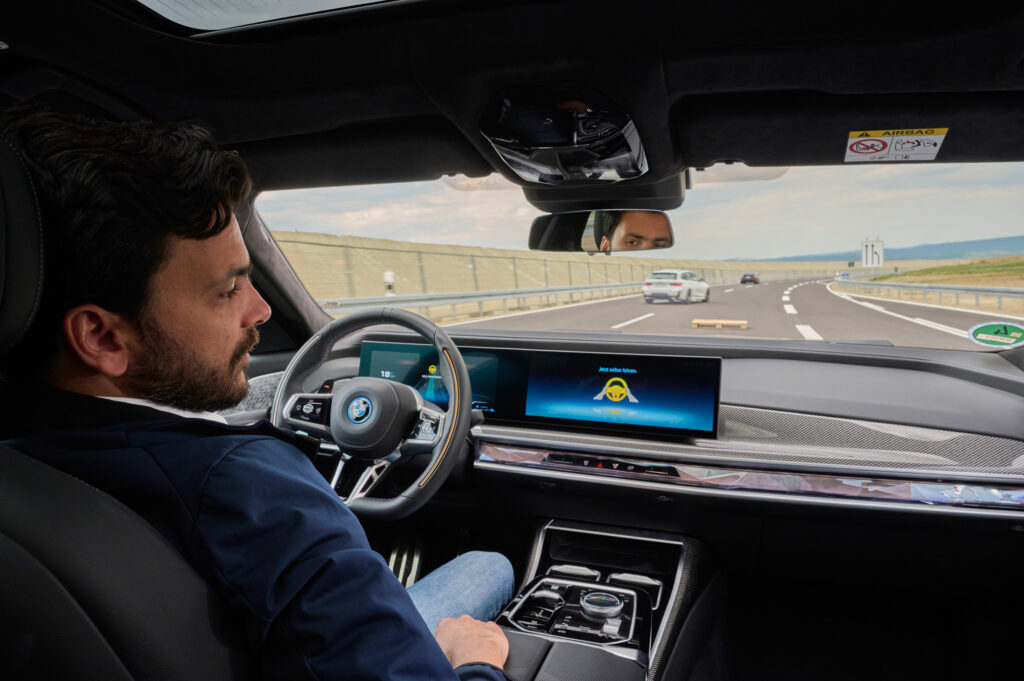
What will not survive the update is the existing ‘Personal Pilot L3’ system. It is being abandoned in favor of a new Level 2 system, developed based on the Neue Klasse technological platform, which debuted with the second-generation iX3.
The Reason for Scaling Back Technologies
The reason for switching to a lower level is simple — cost. The Level 3 system relies on more complex and expensive lidar sensors along with powerful hardware. Moreover, it requires additional validation, safety certification, and constant fleet monitoring. As a result, the L3 option in the current 7-Series costs about 6,000 euros ($7,000).
Advantages and Capabilities of the New System
When the 2027 BMW 7-Series appears, the Level 2 system will cost approximately 1,450 euros ($1,700). This is significantly cheaper, and it still offers a wide range of driver assistance features. Among them: hands-free highway driving, the ability to navigate from address to address in city traffic using onboard navigation, and automatic lane changing. Essentially, these are most of the features that people actually use, without unnecessary technological complexity.
By choosing Level 2, BMW also avoids the bureaucratic difficulties associated with regulation. The system can be deployed in various markets without waiting for the slow and complex approval processes required for Level 3.
The Level 3 Situation with Other Manufacturers
Mercedes-Benz is acting in a similar way. Despite being one of the first manufacturers to receive regulatory approval for a Level 3 system in December 2021, this does not mean it is abandoning Level 2. The new CLA will soon be offered with a “Level 2 Plus Plus” system via MB.Drive Assist Pro, which will first appear in China and then in the USA.
This advanced L2 system will be able to drive autonomously on highways and in urban environments and is expected to be cheaper than a Level 3 ADAS system. Importantly, this does not mean Mercedes is abandoning its more grand ambitions for autonomous vehicles.
As for Stellantis, last year the company abandoned the development of a Level 3 autonomous driving system due to extremely high costs, technological challenges, and concerns about consumer perception of such a system.
These decisions by key players in the automotive industry indicate a reassessment of priorities in the short term. Instead of chasing maximum autonomy “at any cost,” manufacturers are focusing on practicality, affordability, and the possibility of mass deployment. High-level technologies seem to remain the prerogative of experimental projects or very limited series, while the main focus is shifting to improving and expanding the functionality of Level 2+ systems, which can already significantly enhance the driving experience for millions of car owners. This may mean a smoother and more evolutionary path to full autonomy than previously anticipated.