 by
by False battery replacement warning
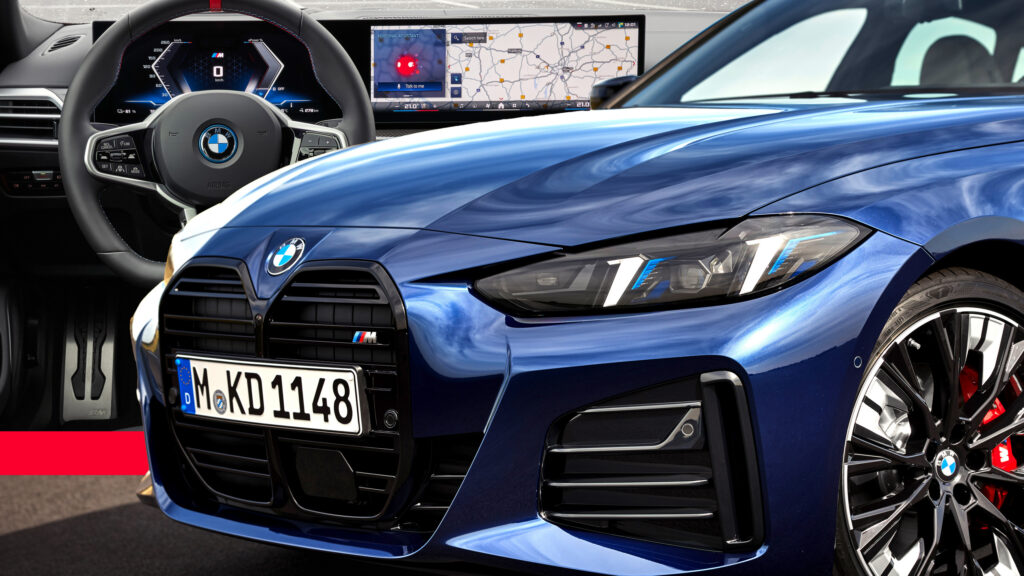
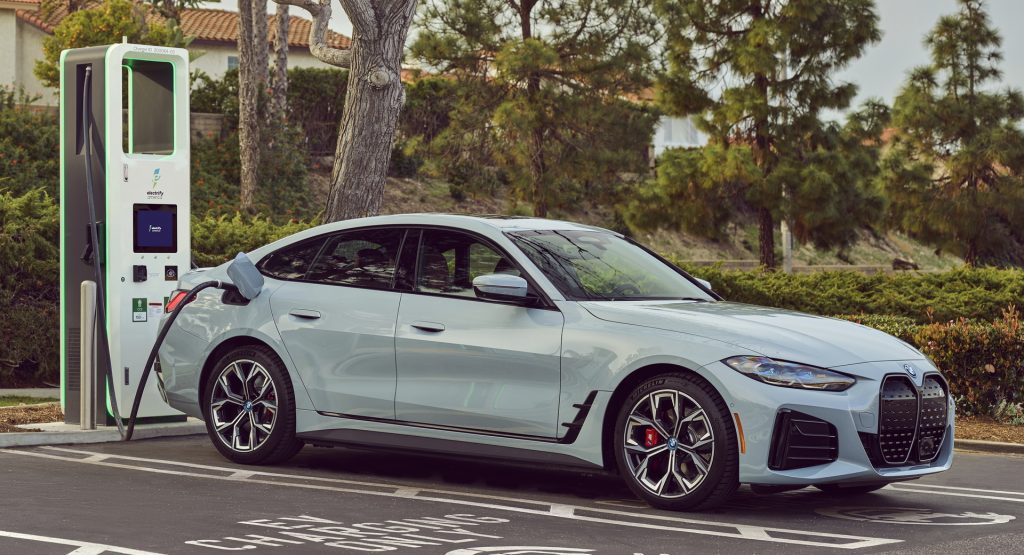
BMW informs owners of i3 and i4 models that the warning about needing to replace the battery can be ignored. The company attributes the appearance of this message to a recent software update that malfunctioned.
In recent days, thousands of BMW electric vehicles worldwide have started displaying the same notification: “Replace battery: you may continue driving. Contact a service center to check the issue.” This contradiction—continuing to drive while needing to replace the battery—has caused a flurry of calls to dealerships.
Which models are affected?
BMW has sold tens of thousands of i4s worldwide, and a significant portion appears to be affected by this issue. Cars.com reports that the i3 model has also been affected, raising questions since the original i3 hatchback never supported OTA updates for critical electrical systems. Most likely, this refers to the i3 sold in China—an electric version of the long-wheelbase 3-Series sedan. We have contacted BMW for clarification on which specific model is meant.
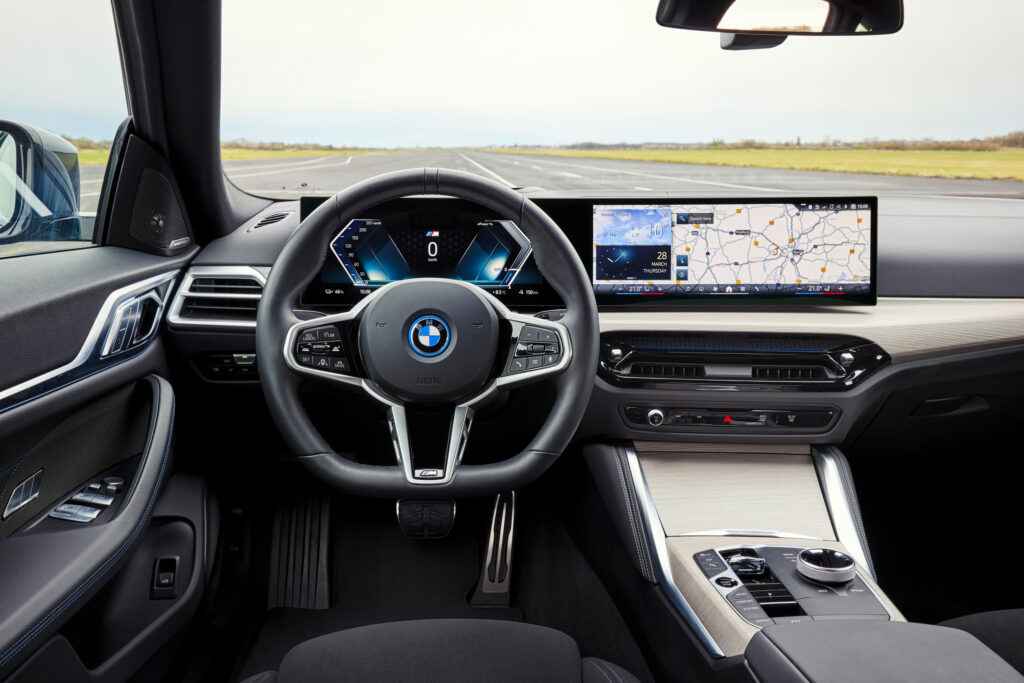
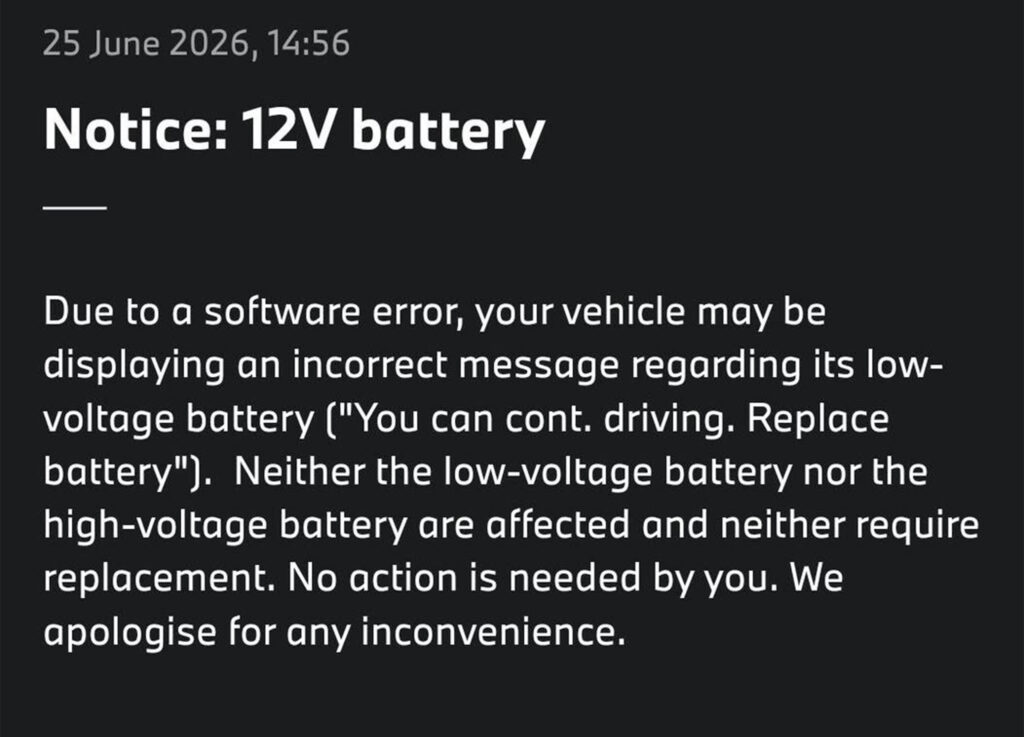
It is reported that owners began contacting dealerships en masse when the warning messages appeared. Fortunately, BMW quickly identified that the cause was a software update and began notifying some customers about the issue via the My BMW app.
Official BMW response
“Due to an incorrect date in the system, a control message erroneously appears in some electric vehicles. It advises the customer that they can continue driving, but the battery needs to be replaced. This situation is temporary, and customers do not need to take any immediate action—battery replacement is not necessary,” the company confirmed.
BMW also clarified that the message does not actually pertain to the high-voltage traction battery, as some owners feared, but only to the 12-volt battery. If there were a real problem with the traction battery, owners would hardly be advised to continue driving.
Fix already in progress
BMW is working on a software fix with “high priority” and assures that the warning message will automatically disappear after the update is installed. In some countries, dealers have already begun informing customers about this issue.
This incident demonstrates how complex modern vehicles with constantly updated software can be. Although the error turned out to be harmless, it caused significant concern among owners and created additional burden on dealerships. It is worth noting that BMW’s ability to quickly identify the cause and begin work on a fix reflects the maturity of their remote monitoring system. However, this case also highlights that even minor errors in updates can have a significant impact on customer trust, especially when it comes to critical components like an electric vehicle’s battery.