 by
by Chinese parts in the heart of American cars: Detroit’s unexpected dependence
For many years, the idea of Chinese cars arriving in the U.S. has fluctuated between absolute impossibility and an apocalyptic scenario for local manufacturers. Politicians and company executives warn about cheap imports destroying domestic production. Industry groups talk about risks to national security. Union leaders fear a new wave of job losses. However, quietly and imperceptibly, Detroit’s dependence on China has grown, and according to a new report, it is likely much greater than you think.
According to data from The Wall Street Journal, citing consulting firm AlixPartners, over 60 American auto parts suppliers are owned by Chinese companies. Chinese firms also own stakes in about 5 percent of the roughly 10,000 suppliers in the U.S.
China inside America’s most iconic cars
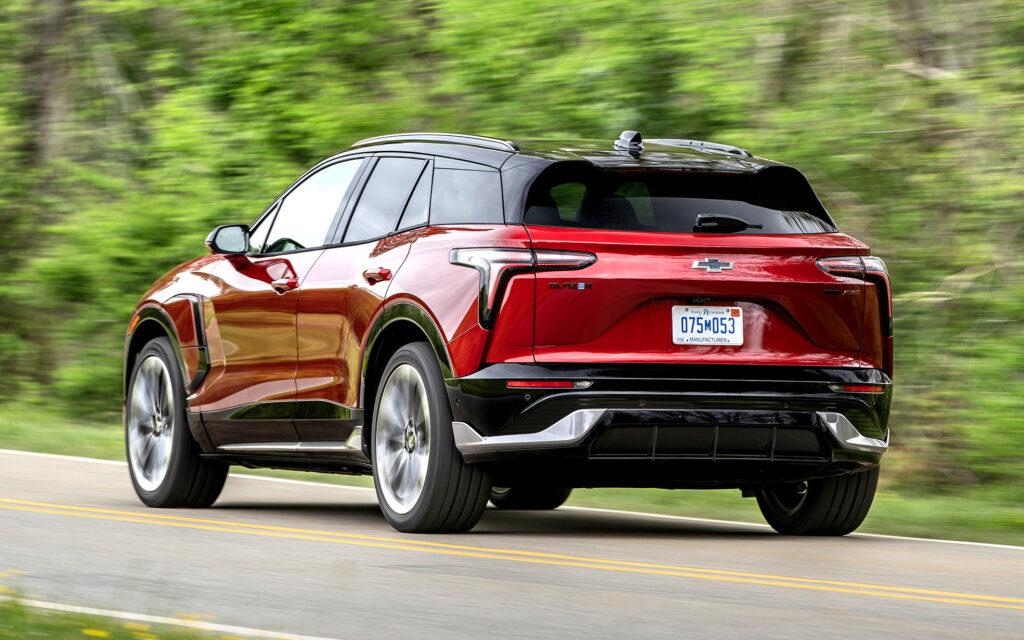
This influence extends to some of America’s most recognizable vehicles. According to CNBC, the Ford Mustang GT reportedly uses six-speed manual transmissions made in China. The Toyota Prius plug-in hybrid contains about 15 percent Chinese parts, while the electric Chevrolet Blazer and Equinox EV are rumored to use approximately 20 percent Chinese-sourced components.
Now, lawmakers from both parties are trying to draw a line before Chinese automakers themselves can establish a foothold in the U.S. market. Representatives John Moolenaar and Debbie Dingell recently introduced a bill aimed at restricting the use of Chinese hardware and software for connected cars over national security concerns.
Untangling from China won’t be simple
The concern is not just about cheap EVs flooding dealerships. Politicians fear that China could repeat what many believe happened in the solar panel industry: aggressively dumping prices with state support until competing industries collapse. “This is about America’s future,” Dingell said. “This is about the future of American workers.”
The uncomfortable reality is that disentangling the U.S. auto industry from China will not be easy. Companies like Fuyao supply glass to major automakers operating in the U.S., while Chinese battery giant CATL remains a dominant global force in EV battery technology.
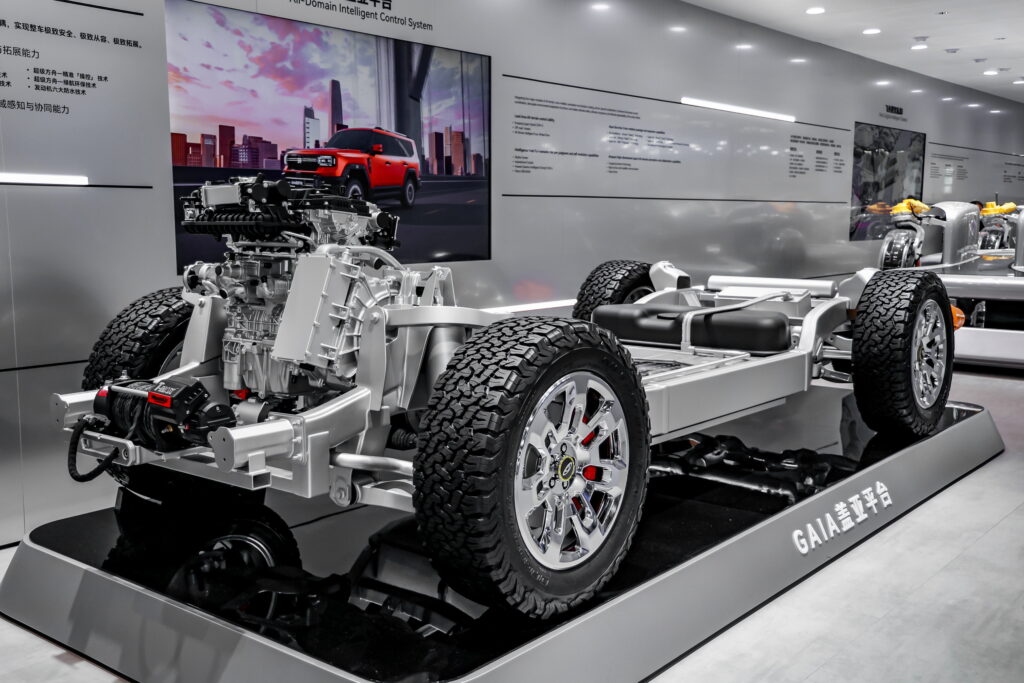
Even automakers that publicly support tougher restrictions are still heavily tied to Chinese supply chains. GM reportedly wants some suppliers to drop Chinese sources by 2027, while Tesla has previously urged suppliers to exclude Chinese components from U.S.-built cars.
These steps help untangle the situation, but it’s worth noting that President Trump just visited China. Some analysts believe he may give a “green light” for the production of Chinese cars in the U.S. If that happens, some Chinese parts suppliers will be the least of the problems for domestic automakers.
The current situation highlights a deep contradiction between political slogans and economic reality. On one hand, there are calls for a complete ban on Chinese cars and components; on the other, the American auto industry has been integrated into global supply chains for decades, where China plays a key role. Completely severing these ties would require colossal investment, time, and likely lead to a significant increase in car prices for end consumers. President Trump’s visit to China and the possibility of allowing Chinese car production in the U.S. add even more uncertainty, showing that the issue depends not only on security but also on political and economic agreements at the highest level.