 by
by Chinese automakers prepare expansion into Canada
Several Chinese brands are preparing to launch sales in Canada, despite strict restrictions on automobile imports and fairly modest sales prospects. However, the appeal of the Canadian market is linked not so much to immediate profit, but to the fact that it can provide manufacturers with valuable experience ahead of a potential entry into the United States market in the future, according to a new report.
Limited quotas and big plans
Canada recently opened its doors to a limited number of Chinese electric vehicles, allowing imports under a quota system that starts at 49,000 vehicles per year. This is hardly enough to significantly change the financial performance of any company, especially when several brands are competing for the same customers.
Nevertheless, automakers such as Chery, BYD, Changan, and Lotus are already building plans. Some are recruiting dealers, others are conducting testing programs, and several companies are already preparing vehicles to obtain regulatory approvals. The reason they are going to all this trouble, as reported by Reuters, is that Canada’s automotive market is surprisingly similar to that of the United States.
Why Canada is a ‘dress rehearsal’ for the US
Consumer preferences and budgets largely overlap, regulatory requirements are generally comparable, and the structure of dealer networks operates almost identically. This means that any company that successfully establishes itself in Canada can gain invaluable experience before eventually entering the much larger US market.
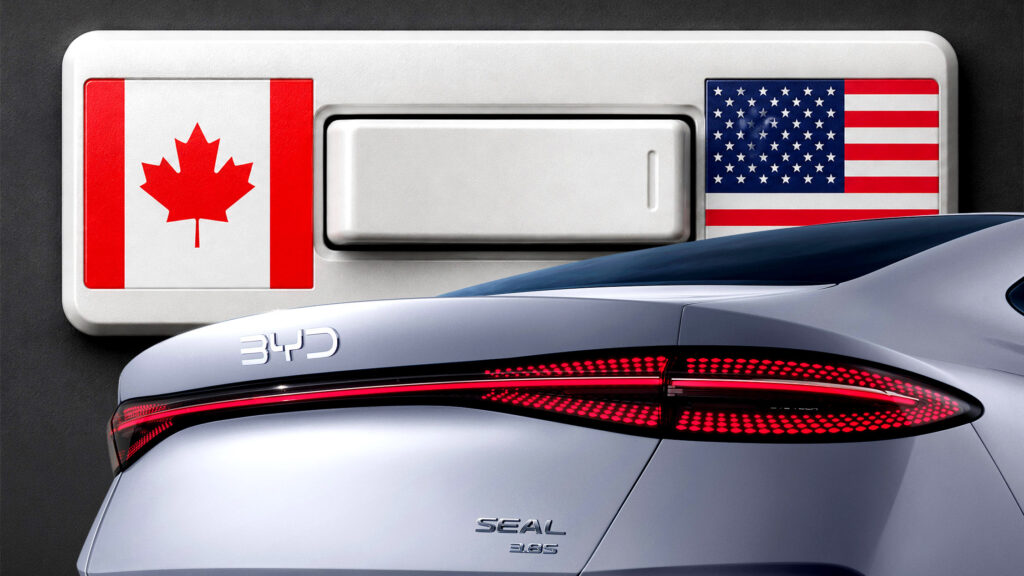
Dan Hersch, global co-leader of the automotive practice at AlixPartners, told Reuters that transitioning from Canada to the United States later would be like “flipping a switch.”
Robert Karwel of J.D. Power Canada was even more blunt in the same report, calling Canada a “dress rehearsal for the US.”
Eyeing the American prize
This prospect continues to unsettle parts of the American automotive industry. For many years, China was a growth market for Western brands, but the situation has now changed, and Chinese automakers have rapidly expanded their global presence over the past decade.
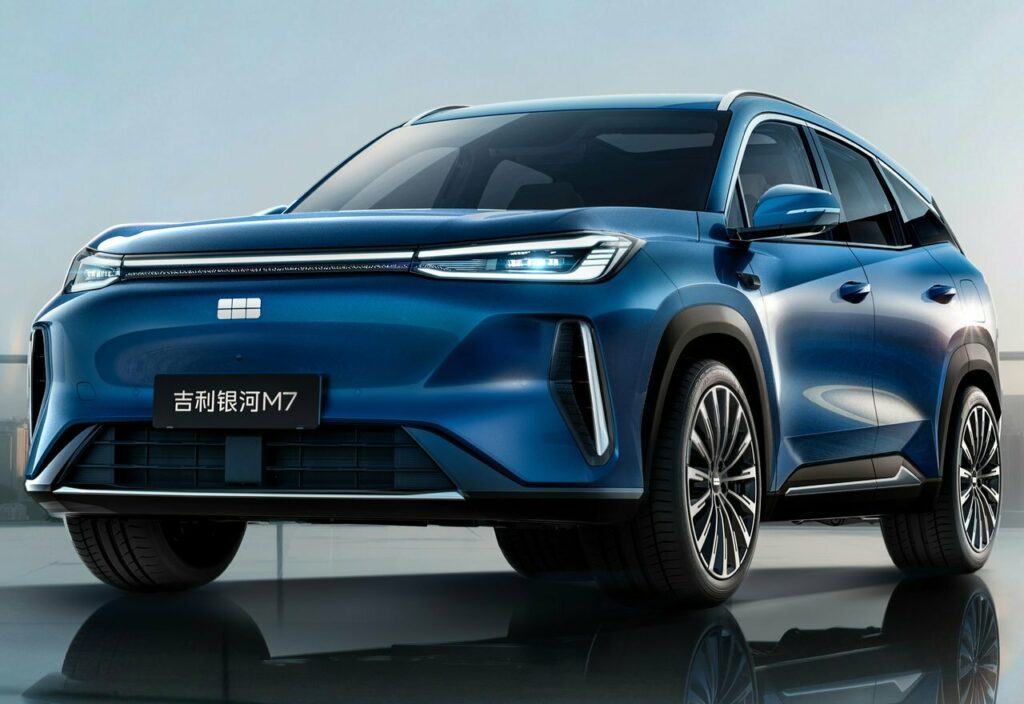
Currently, the US market remains virtually closed to China. Tariffs, restrictions on connected car technology, and political opposition continue to keep Chinese brands at bay. Just this week, Geely-controlled Polestar was effectively forced to leave the US due to Chinese software in its vehicles, despite Volvo (also controlled by Geely) recently receiving a “pass” on the same issue.
However, several executives express confidence that this will not always be the case.
“We definitely have the idea of selling cars in the United States,” Chery International President Zhang Guibing told reporters during a recent event in China. “Everyone definitely has that idea.”
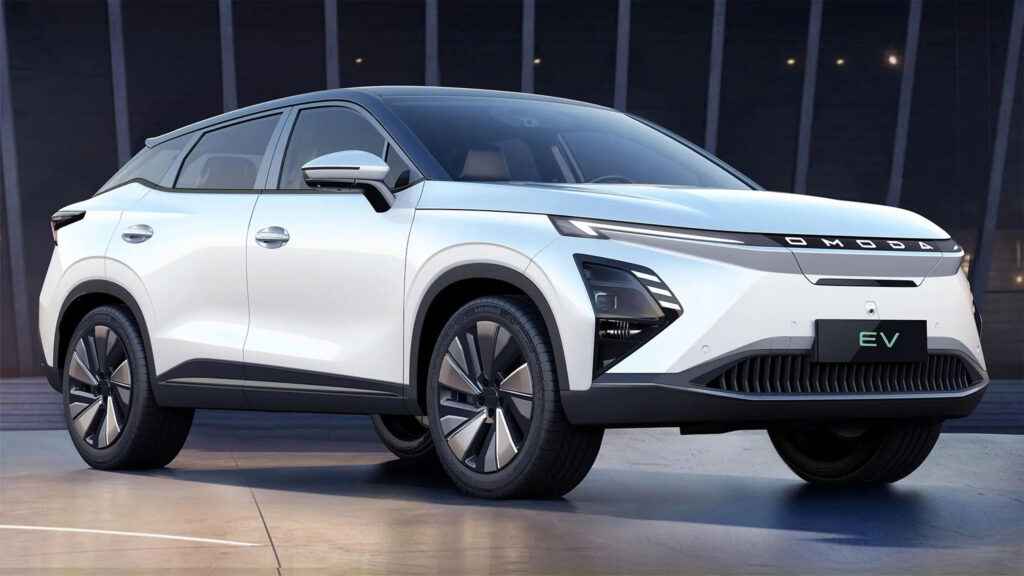
BYD, Geely, Chery
Thus, the Canadian market is becoming a kind of testing ground for Chinese automakers. Despite small sales volumes at the initial stage, the main goal is to refine logistics, marketing, and adaptation to North American standards. Success in Canada could serve as a powerful signal to investors and consumers in the US, demonstrating the readiness of Chinese brands to compete at the highest level. At the same time, political and regulatory barriers from the US remain a significant obstacle, and even a successful “dress rehearsal” does not guarantee an easy entry into the American market in the future. The situation with Polestar shows that issues of software and national security can become a decisive factor, regardless of the automaker’s own readiness.