 by
by Mitsubishi loses dealers: crisis continues
About 30 years ago, Mitsubishi seemed like an invincible brand. The Eclipse GSX, 3000 GT VR-4, Montero, and the legendary Lancer Evolution built an excellent reputation. However, over time, the company’s management gradually lost this advantage. Today, Mitsubishi is one of the smallest automakers in the US, and according to new data, the situation is only getting worse: dealers are leaving the brand en masse.
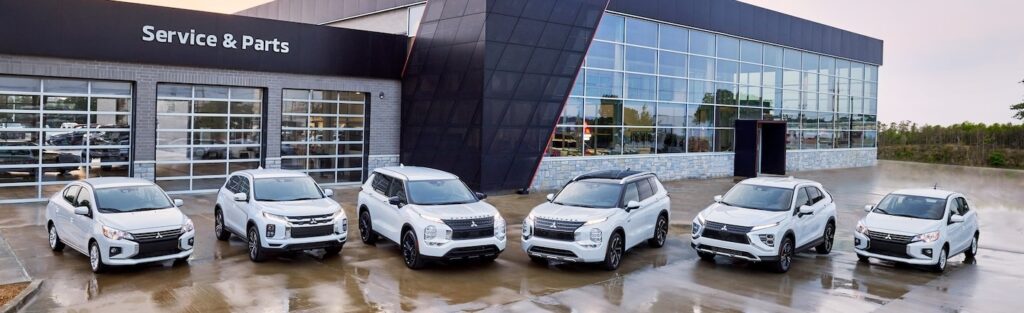
According to Auto News, Mitsubishi Motors North America has reduced the number of dealerships by 16% compared to the pre-pandemic period. At the beginning of 2026, the company had 299 sales points, compared to 355 at the beginning of 2019. This means a loss of 56 locations — one of the largest decline rates among mainstream brands. For comparison, all other mainstream brands have at least 1,000 dealers.
Quality over quantity: official position
Mitsubishi CEO Mark Chaffin claims this is not just cost-cutting. Over the past year and a half, the company has terminated partnerships with approximately 35 franchises, while simultaneously opening a dozen new dealerships and approving about 30 more. The strategy is to replace small sales points with larger enterprises capable of selling three to five times more vehicles.
“This is quality over quantity,” Chaffin said.
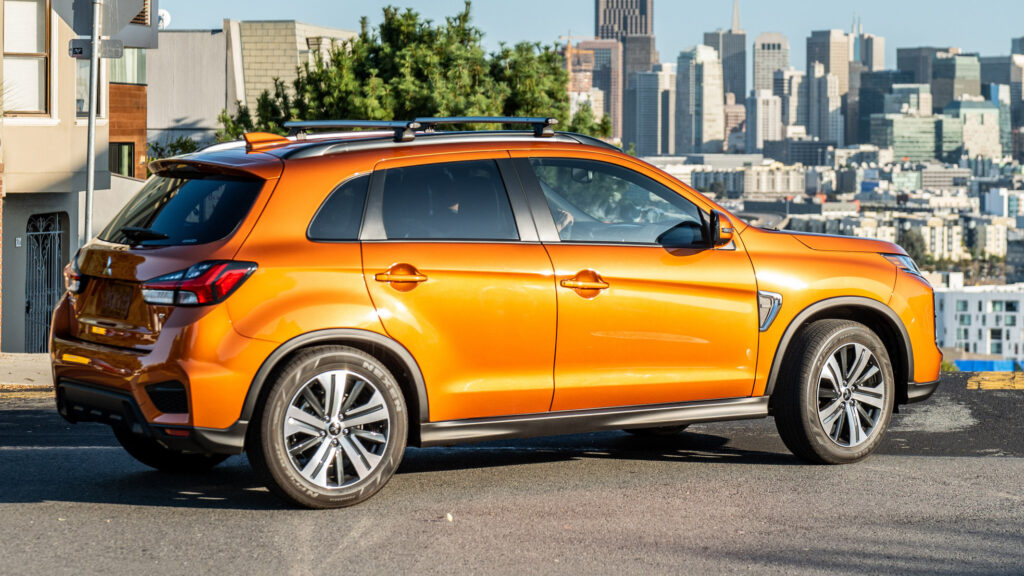
Chaffin’s challenge is not only to get the brand back on track but also to combat the sentiments of dealers who believe this is not happening fast enough. Several dealers surveyed by the publication expressed growing frustration over factory demands, weak incentive support, and an outdated model lineup. This lineup largely relies on old products, including the Outlander Sport, which is based on a platform that has been in use for about 15 years.
Dealerships liquidate inventories to leave
Some dealers are not even waiting for the termination of cooperation. They are liquidating inventories at prices thousands of dollars below cost, just to exit the business. One dealer told Auto News that he purchased 14 vehicles from a competitor for $7,000–$8,000 below cost, noting that the closed store sold only two new Mitsubishis per month, while his other franchise sold 150 cars of another brand in the same period. Others point out that corporate sales are becoming a problem.
Nearly 60% of Mitsubishi’s sales volume in the first quarter reportedly went to corporate clients. Dealers say that base-trim vehicles are often directed to rental companies, while retail stores struggle for limited inventories. The situation does not seem likely to improve anytime soon.
The average net profit of a Mitsubishi dealership nationwide is less than 2% of sales, according to one source mentioned in the report. A Midwestern dealer who recently closed his store said he “lost faith” in the brand’s ability to offer a competitive lineup and “got tired” after years of losses.
“Until Mitsubishi figures out how to make dealers interested in their cars and give them a chance to make money on them, they will struggle,” he told the publication.
Electric crossover as a rescue plan
Mitsubishi promises new vehicles later this year. This refers to a fully electric crossover. However, such models are currently not in high demand among dealers. It would be sad to see the Japanese brand become even smaller or even disappear in America, but at this pace, it needs new, exciting products more than ever.
The situation surrounding Mitsubishi demonstrates how even a brand with a rich history can find itself on the brink of survival due to strategic miscalculations. Instead of investing in updating the model lineup and supporting dealers, the company has relied for years on outdated platforms and corporate sales, which undermined the trust of retail dealers. The new electric crossover could be a step forward, but in an environment where the electric vehicle market is slowing down and dealers are leaving the brand en masse, this may not be enough. Mitsubishi needs not just one new model, but a comprehensive revival strategy to regain the interest of both customers and partners.