 by
by US New Car Market Situation: Prices and Inventories
There is no point in denying the reality faced by new car buyers. The average price of a new car in America is steadily hovering around $50,000. For the average American, this is becoming an increasingly difficult challenge. Nevertheless, the latest inventory data also contains good news. A quarter of the vehicles on most dealer lots cost $35,000 or less, and a third cost $40,000 or less.
Average Price and Real Inventory Situation
According to the latest Cox Automotive Auto Live Market View report, dealers ended June with 2.82 million new vehicles in stock. Inventories decreased by 2.4% compared to May but remained nearly unchanged from the same period last year.
The average listing price rose to $49,336, up 1.4% from June 2025 and 0.3% compared to the revised May figure. At first glance, this is yet another reminder of how expensive new cars have become. However, averages can be misleading, especially in a market where six-figure luxury SUVs, heavy-duty pickups, and premium electric vehicles can skew the numbers upward. A more telling statistic is where the inventories are actually concentrated.
Cars Under $40,000 Are Still Available
Nearly a quarter of all new vehicles available in June, over 688,000 units, were priced between $30,000 and $40,000. In this group, the average listing price was $35,377, and the days’ supply was 70 days, significantly below the industry average. This category also accounted for 28% of sales in June, meaning it was selling faster than it was replenished. Expanding the range, approximately 34% of all new vehicles on dealer lots cost less than $40,000.
June Days’ Supply by Brand
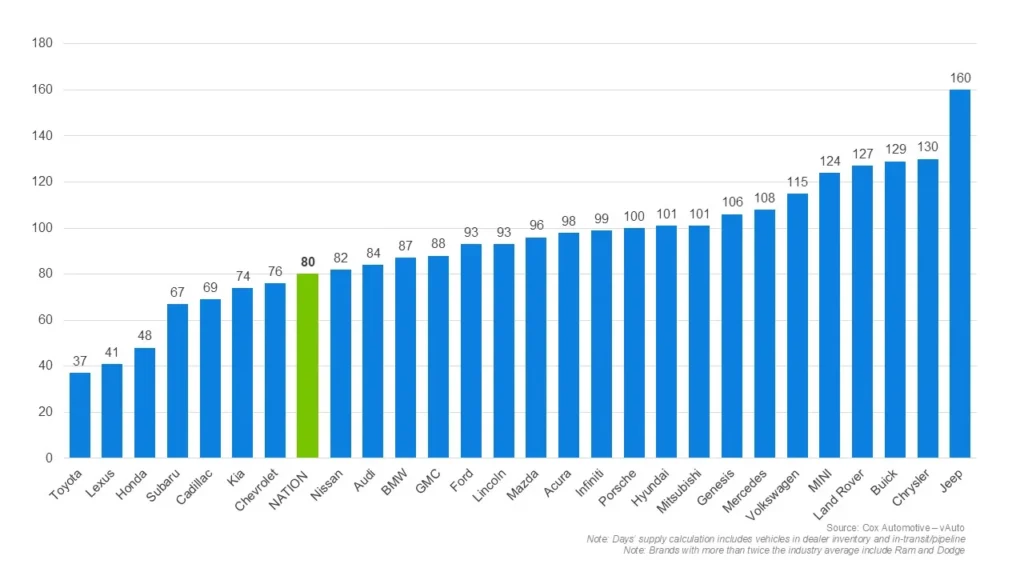
This indicates that the often-cited “average new car price of $50,000” does not accurately describe what many buyers will see when walking into a dealership. Instead, it reflects how a growing share of premium pickups, luxury SUVs, and expensive electric vehicles continues to push the average upward. Inventories also remain very uneven by brand.
Toyota Sells Out, Stellantis Accumulates
Toyota entered July with the smallest inventory among all brands at 37 days, followed by Lexus (41 days) and Honda (48 days). Subaru (67), Cadillac (69), as well as Kia (74) and Chevrolet (76) were also below the national average of 80 days. Stellantis occupies the other end of the table, where Jeep, Ram, and Dodge have inventories more than double the industry average.
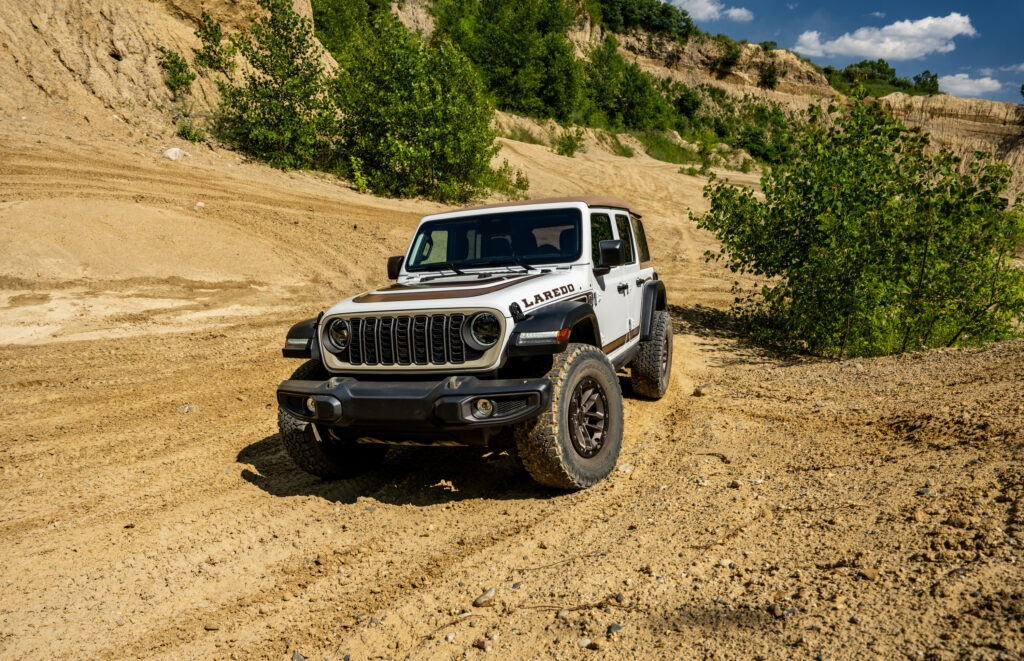
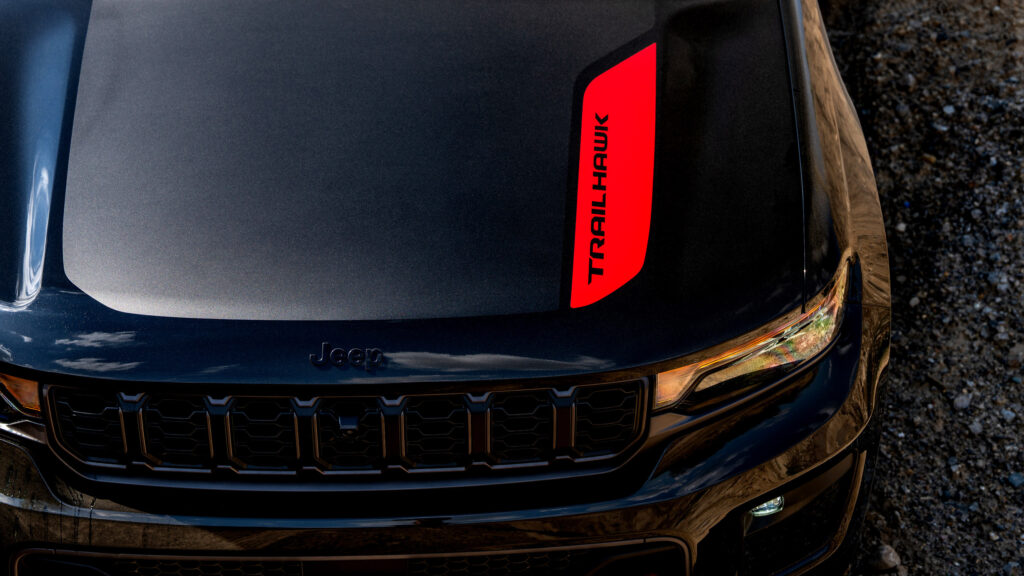
Jeep is an extreme case with 160 days — the worst in the list. Brands in such a deep crisis usually start offering discounts to clear inventory. However, Jeep’s incentives in June were only 6.7% of the average transaction price, lower than the industry average of 7%. Essentially, the brand with the most unsold cars in the country offers smaller discounts than competitors with significantly fewer problems. If you walk into a Jeep dealership hoping to name your price, you will likely leave disappointed.
Despite ongoing concerns about affordability, inflation, and geopolitical uncertainty, the broader new car market has remained surprisingly stable this year. Inventories remain balanced, sales continue at a healthy pace, and although the average transaction price may be approaching $50,000, the data suggests there is still a real supply of new cars for buyers seeking options in the range closer to $35,000.
Monthly New Vehicle Data in the US
| Month | Inventory Volume | Days’ Supply | Sales | Average Listing Price |
| 25-Jun | 2,816,717 | 84 | 1,012,492 | $48,673 |
| 25-Jul | 2,707,559 | 77 | 1,094,241 | $48,496 |
| 25-Aug | 2,730,357 | 75 | 1,133,566 | $48,566 |
| 25-Sep | 2,855,668 | 87 | 990,819 | $49,057 |
| 25-Oct | 3,005,433 | 89.6 | 1,039,591 | $49,193 |
| 25-Nov | 3,053,128 | 90 | 1,017,139 | $49,454 |
| 25-Dec | 2,967,543 | 85.5 | 1,076,180 | $50,351 |
| 26-Jan | 2,741,173 | 94 | 904,431 | $49,591 |
| 26-Feb | 2,854,721 | 96.3 | 829,864 | $48,856 |
| 26-Mar | 2,890,423 | 80.6 | 1,112,070 | $48,598 |
| 26-Apr | 2,857,903 | 80.2 | 1,069,065 | $48,923 |
| 26-May | 2,893,414 | 78.3 | 1,146,011 | $49,176 |
| 26-Jun | 2,822,805 | 80 | 1,054,012 | $49,336 |
Source: Cox Automotive
Interestingly, the market shows a clear divide between brands that successfully manage supply and demand and those accumulating excess inventory. The strategy of Toyota and Honda, who traditionally follow a cautious approach to production, allows them to maintain high prices and low inventories. In contrast, the situation with Jeep, Ram, and Dodge points to a serious imbalance: huge inventories are not accompanied by aggressive discounts, which could indicate an attempt to protect margins or an ineffective pricing policy. For the buyer, this means that while the average market price seems high, there are still real opportunities to find an affordable car, especially if you focus on mass-market brands and entry-level models.