 by
by FTC Warns 97 Dealer Groups About Deceptive Pricing
Customers across the US complain that the car buying process at a dealership is stressful. Part of this stress is related to the negative reputation of some dealers, who are believed to deceive their customers. Today, the FTC provides additional evidence of unfair practices and issues a warning to 97 dealers that the agency believes may be advertising prices that don’t match reality. These are not small family businesses.
The Essence of the Warning
The letters sent to dealers remind them that advertised car prices must include all mandatory fees and accurately reflect the price consumers will actually pay at the dealership. It’s strange that this even needs to be explained, but here we are. Importantly, the agency did not accuse the recipients of specific violations. Instead, the letters warn about what the FTC calls ‘deceptive pricing’ and serve as a clear signal that regulators are watching.
«The FTC of the Trump-Vance administration is committed to preventing consumers from being misled by car dealers who advertise low prices and then add mandatory fees at the end of the purchase process,» said Christopher Mufarridge, Director of the FTC’s Bureau of Consumer Protection. «The FTC will continue to focus on monitoring dealerships to ensure the market functions effectively and competitors compete transparently on price.»
Specific Examples and Major Players
In a statement last month, the agency specifically mentioned current cases involving dealership operators, including the Asbury Automotive Group, as well as actions against Lindsay Chevrolet and Leader Automotive Group, as examples of behavior that could attract regulatory attention.
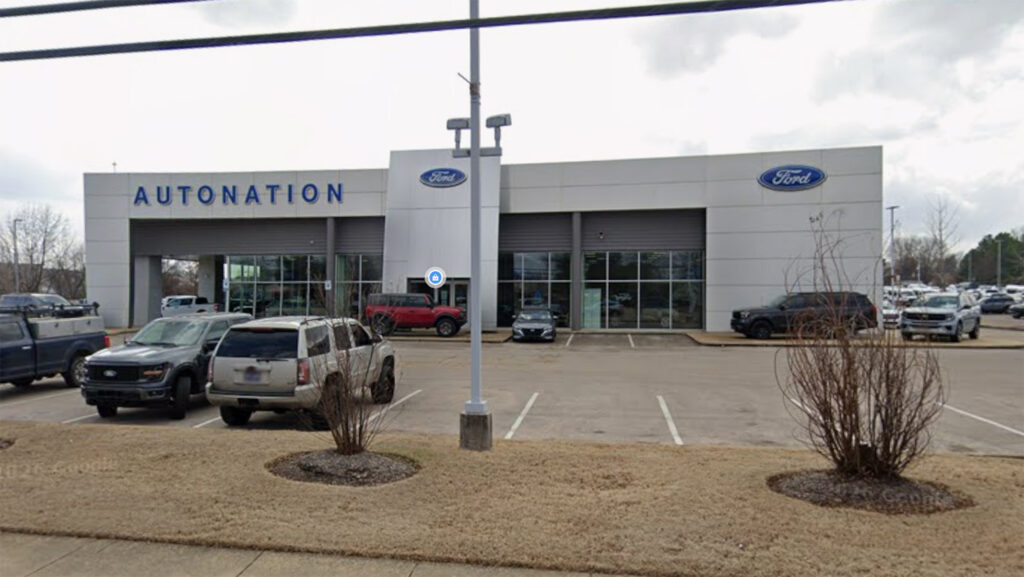
This was not just about small dealers. According to the FTC, recipients included several of the country’s largest public retail chains, including Lithia Motors, AutoNation, Group 1 Automotive, and Sonic Automotive. The FTC also sent warning letters to locations affiliated with Berkshire Hathaway Automotive and Hendrick Automotive Group.
Disclosure of the Dealer List
According to Autonews, one analysis showed that the letters ultimately reached 203 dealership locations within 97 dealer groups. The FTC initially refused to name the recipients publicly but later released the letters and dealer names through its warning letter database after receiving numerous Freedom of Information Act requests.
Whether this will actually change how cars are advertised remains to be seen. But for now, the FTC has at least made it clear that it is watching, and these dealers have been warned.
Examples of Unlawful Pricing Practices
Below is the full list of dealers to whom the FTC sent letters. The agency previously noted that the letters cite several examples of unlawful pricing practices in the auto industry, including:
- advertising unavailable or non-existent vehicles.
- advertising a price that does not include all mandatory fees.
- advertising a price that reflects discounts not available to all consumers.
- advertising a price that does not account for the amount of a mandatory down payment.
- conditioning the advertised price on using dealer financing.
- requiring consumers to purchase additional items not reflected in the advertised price.
- advertising unavailable or non-existent vehicles.
This move by the FTC is a significant signal for the entire automotive industry. Although the agency has not yet imposed fines, the very fact of a public warning and the publication of the dealer list creates significant reputational pressure. Consumers can now check whether their local dealer is on this list and be more vigilant during negotiations. It is worth noting that the entities on the list include both large public chains and smaller independent dealers, indicating the systemic nature of the problem. Future FTC actions may include not only new warnings but also lawsuits and significant fines if dealers do not correct their advertising practices.