 by
by Insurance Institute for Highway Safety (IIHS) is concerned about car advertising
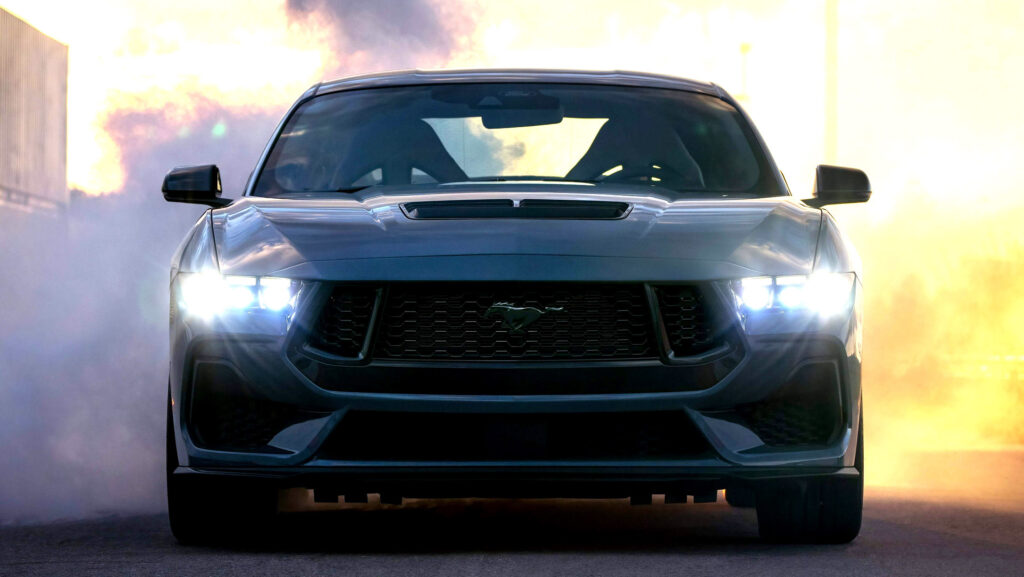
The Insurance Institute for Highway Safety (IIHS) has expressed a new concern that may affect you, even while you’re sitting on the couch. According to a recent study, automakers are increasingly selling speed, power, traction, and performance, pushing safety to the back burner. The organization fears that all these smoky drifts, dramatic turns, and off-road footage contribute to forming a culture that normalizes speeding.
Speed kills: facts and context
Speed kills. This is not up for debate. Over 11,000 people died in speeding-related crashes in the US in 2024. But while IIHS may have identified a trend, its findings feel like blaming exhaust pipes for noise while ignoring the engine they are attached to. However, we will return to this.
What the study actually showed
Researchers analyzed nearly 3,000 television and digital advertisements and found that performance themes appeared in 42.7% of them, while safety was present in only 8.1%. Performance messaging increased significantly over the years studied, and IIHS argues that this advertising helps reinforce America’s obsession with speed.
Of course, the study openly admits that there is no established causal link between car advertising and how people actually drive. Essentially, it says: “This could happen or is happening, so let’s shed light on it.”
Are speed limits outdated?
This is all well and good, but also somewhat strange, since IIHS itself already knows about something else that strongly (and undeniably) influences driver behavior: road design. The organization has repeatedly supported safe system principles and broader road infrastructure changes aimed at reducing dangerous driving. This is because road engineers have long known that people often drive at the speed they think the road is designed for, not necessarily the one posted on the sign.
The real reason Americans drive fast
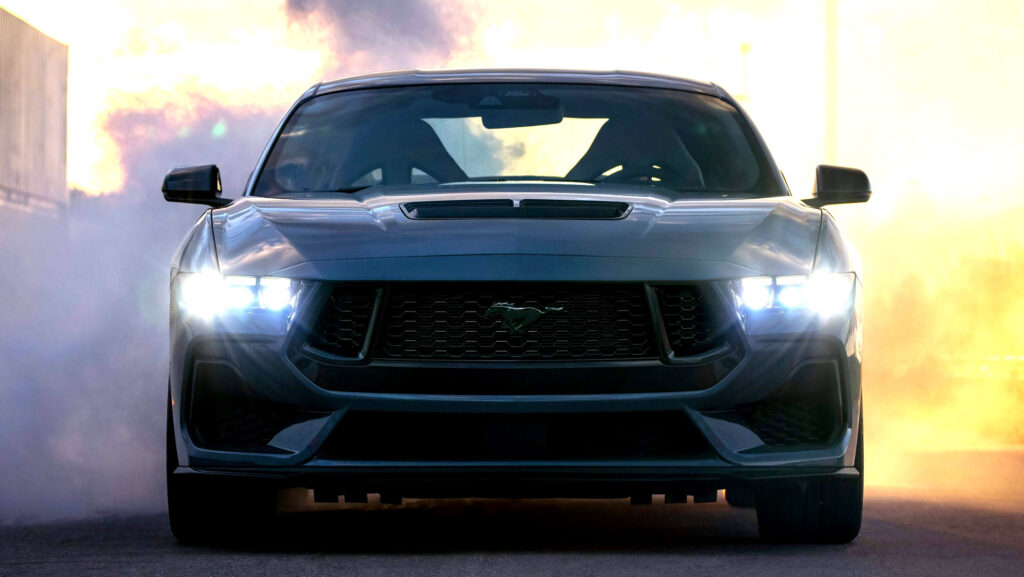
And America has been building roads for decades that feel absurdly fast. Wide suburban highways with large shoulders, long sightlines, multiple lanes, and almost no visual constraints often look less like city streets and more like airport runways. Then officials post a 55 km/h speed limit sign and genuinely wonder when traffic flows at 80 km/h. And this is not because someone saw a Mustang ad during Sunday football.
Systems vs. advertising: what matters more?
IIHS is not wrong that speed is dangerous. But if its own philosophy holds that systems shape behavior, then perhaps a six-lane road designed like a runway deserves at least as much attention (if not more) as a 30-second commercial showing a car taking a turn too enthusiastically.
While the IIHS study points to a rise in advertising emphasizing speed and power, it is important to understand that this is just one of many factors influencing driver behavior. Infrastructure has a much greater impact: roads designed for high speed actually encourage drivers to go faster, regardless of advertising campaigns. Furthermore, social norms, personal responsibility, and law enforcement effectiveness play a crucial role. Focusing exclusively on advertising may distract from more systemic solutions, such as redesigning dangerous roads and strengthening speed enforcement, which have proven effectiveness in reducing accidents.