 by
by McLaren Prepares a Large-Scale Update to Its Car Lineup
The British automaker McLaren, known for its powerful sports cars, is entering a period of significant transformation. Despite high technical specifications, the brand’s model range has not undergone serious changes in recent years. The situation is changing radically: by the end of 2030, the company plans to introduce a number of new models, all of which will be equipped with internal combustion engines. Financial investments are allowing the brand to expand.
Key points of McLaren’s future plans:
New Investors and Technologies
The investment group CYVN Holdings from Abu Dhabi, which owns McLaren, merged it with the British startup Forseven at the beginning of last year. Before the merger, Forseven was secretly developing several vehicles under the leadership of Nick Collins, who now holds the position of CEO of the merged group.
McLaren intended to show several new models last fall, but key announcements were postponed to this summer for unspecified strategic reasons.
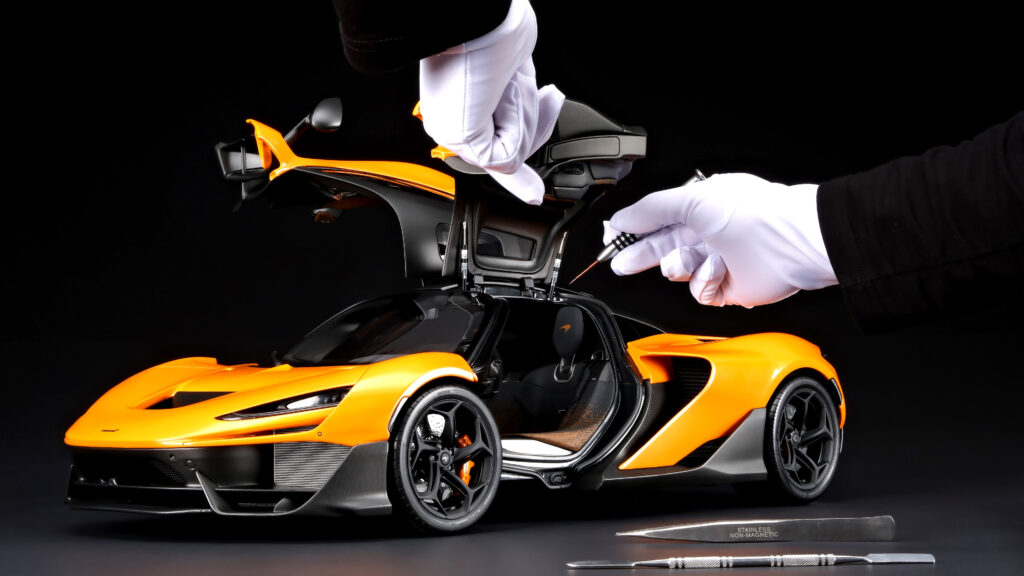
According to Collins, the company has already begun showing full-scale mock-ups of future cars to its dealers worldwide and plans to launch all new products within the next four years.
What to Expect in the Future?
The first new model will likely be a concept car that will introduce the public to the design and technologies of the next generation of McLaren. All these cars will be equipped with internal combustion engines, as the company believes its customers are not yet ready for a full-fledged electric vehicle. The technical foundation of the new products will utilize technologies from the Chinese automaker Nio, part of which is also controlled by CYVN.
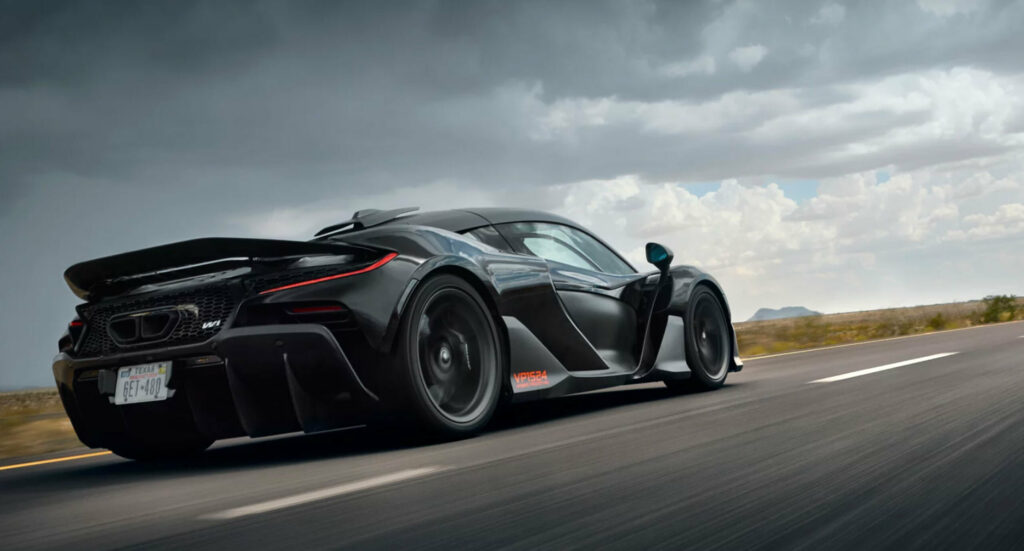
Starting this summer, we will begin revealing our plans to the outside world, whether through the start of W1 deliveries or through showing new products.
Regarding the model with more than two seats mentioned by Collins, the most logical option appears to be an SUV, considering the commercial success of similar models like the Lamborghini Urus and Ferrari Purosangue. However, the exact body type has not yet been disclosed.
These plans indicate a deep reorientation of the brand, which has traditionally been associated with two-seater supercars. On one hand, McLaren is trying to preserve its sporting essence by continuing work on internal combustion engines and launching the new flagship W1. On the other hand, the desire to release a car for a family or group of passengers, especially in an SUV format, is a direct response to market demand and economic realities. The success of competitors in this segment has proven that luxury and high performance can be compatible with practicality. Funding from Abu Dhabi and access to Chinese technologies create a unique foundation for this stage of development, allowing McLaren to invest in the development of several new products simultaneously within tight deadlines. The next few years will show whether the brand can successfully combine its heritage with new ambitions without losing its identity.