 by
by Ralph Gilles admitted: Chrysler interiors were once terrible
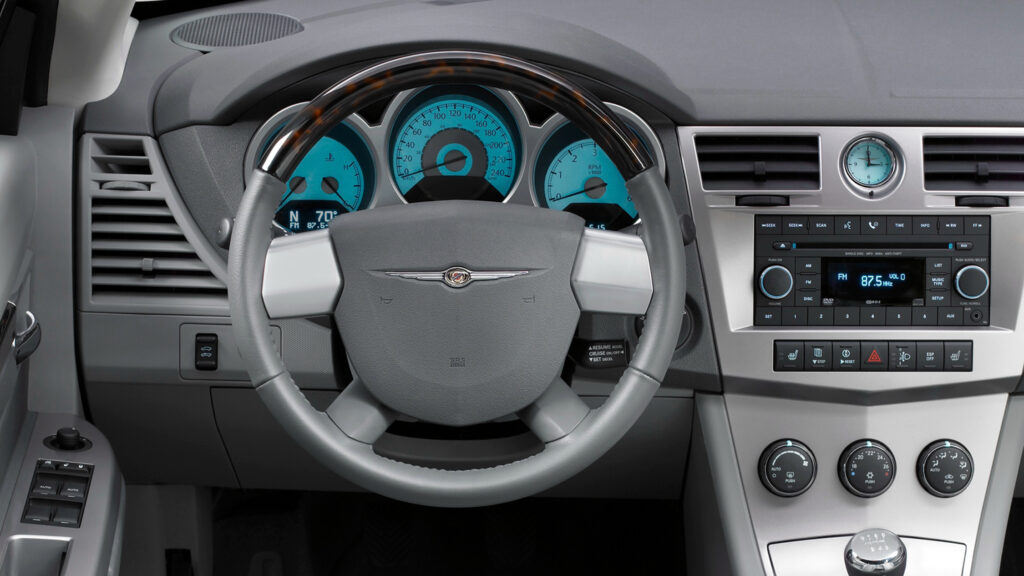
Most automakers prefer to forget their old mistakes. But Stellantis’ chief designer Ralph Gilles is not one of them. He recalled the times before Chrysler’s bankruptcy and honestly admitted that the company’s interior quality was far from ideal. Gilles, who worked at Chrysler for over 30 years, called the interiors of the 2000s “water pistol-grade plastic.”
Why the Audi A4 changed everything
During a tour of Stellantis’ North American headquarters, Gilles said he was tired of cheap interiors that lost out to competitors. The turning point came when he looked inside a competitor’s car.
“Why does our interior look like cheap plastic, and theirs looks so good?” Gilles recalled. “Audi released the A4, and it turned me completely upside down. I saw the Audi A4 and got angry.”

If you’ve ever sat in a mid-2000s Chrysler and then switched to an Audi from the same period, it’s easy to understand his frustration. But that frustration turned into action. Gilles helped create a separate interior design studio and urged young designers to make interior quality a real advantage, not a weak point.
Lessons from past design mistakes
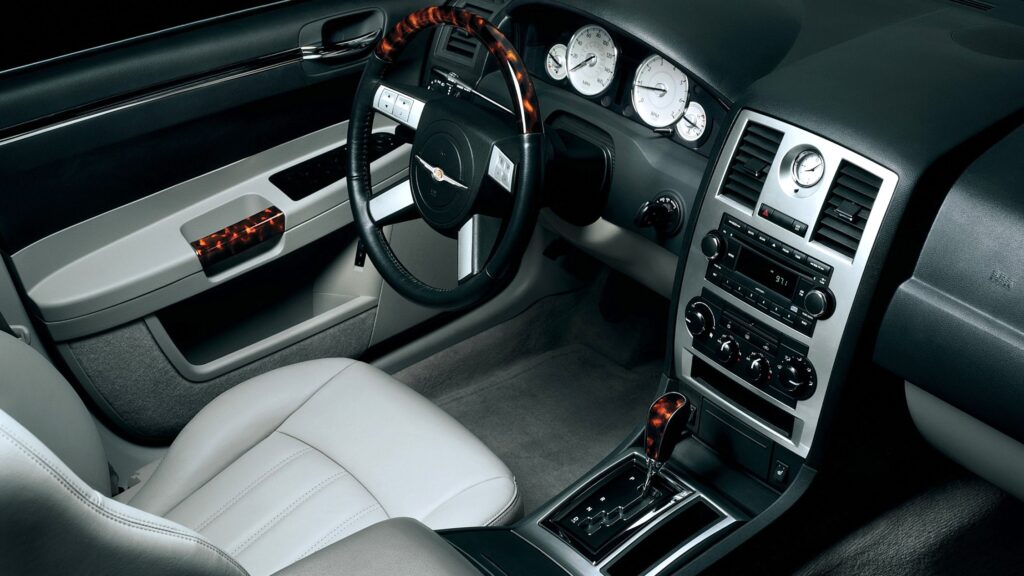
Since then, Chrysler’s successor companies have received much more praise for what customers see and feel inside their vehicles. Look at the interior of the Jeep Wagoneer to understand how far things have come. Perhaps even too far, because, ironically, the challenge today is not making interiors better, but knowing when to stop.
“When we got excited about interiors, sometimes we overdid it a bit, because we were trying so hard to make a statement,” said Gilles. “We found that we surpassed the competition.”
A better screen means a happier driver
But today, it’s not just about the quality of the plastic. It’s also about how the driver interacts with the car’s controls. Gilles explained that after the merger of PSA and FCA, Stellantis had only four UX (user experience) designers. Now there are over 180, and they are working on key elements such as the infotainment system.
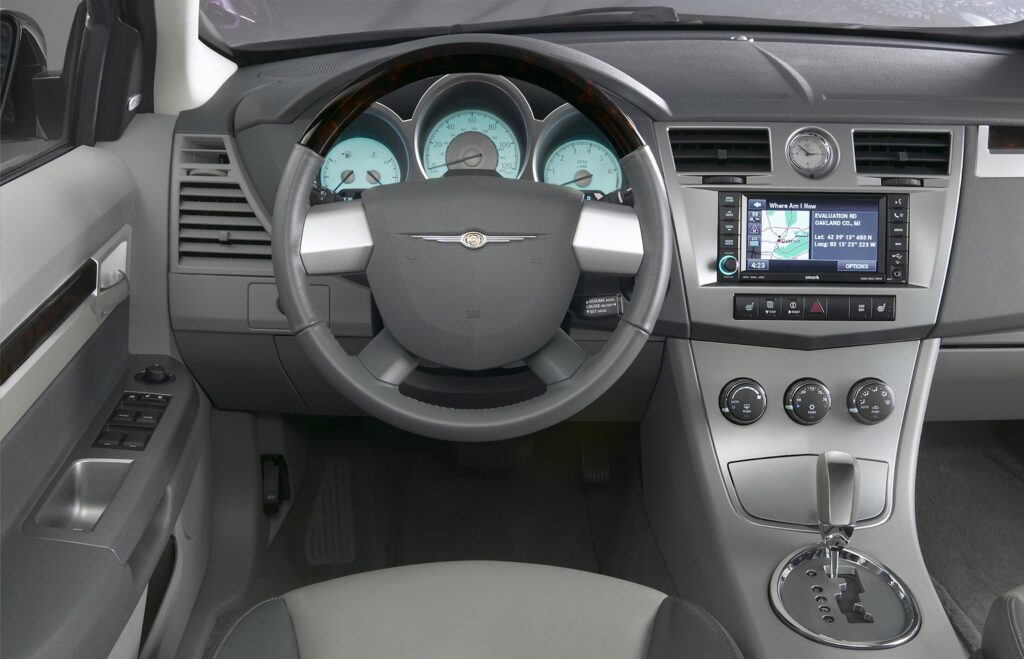
What is the worst Chrysler interior you have ever seen, and what made it so bad? I’ll start by nominating the second-generation Sebring — it was a mix of hard, gray (or beige) plastic with not even a hint of design.
Today, Stellantis places a major emphasis on quality and user experience. From acknowledging past shortcomings to creating a separate design studio and expanding the UX design team 45-fold, the company has come a long way. Interestingly, the challenge now is not about catching up to competitors, but about not overdoing the “improvements” that could make the interior too complex or expensive. This shows how the automaker’s focus has shifted: from fighting for survival to fine-tuning the details that make a car truly enjoyable for daily use.