 by
by Mazda confirms the launch of the new generation CX-3 in 2027
Mazda officially announced the launch of the second generation of its smallest crossover, the CX-3. Production of the model will begin in 2027 at a plant in Thailand, marking an important step to strengthen the brand’s position in the compact SUV segment.
Official confirmation and production plans
Information about the new model appeared in Mazda’s financial report. The company stated that it will introduce the “next generation CX-3” next year to strengthen its position in the high-volume compact crossover segment. A separate slide in the report confirmed that plans for the model’s production at the AutoAlliance Thailand plant are “progressing smoothly.”
Model history and market situation
The current CX-3 has proven to be a true “survivor” among cars. Introduced in 2014, the crossover disappeared from the European and US markets in the early 2020s, largely due to competition from the larger CX-30. However, demand in Australia, Southeast Asia, and Mexico remained high enough to justify Mazda’s full model update.
Technical specifications and powertrains
Mazda has not yet revealed details about the new model’s technical features. However, the company has repeatedly emphasized its “multi-solution strategy,” combining electrification, hybrid technologies, and internal combustion engines depending on regional demand. This suggests that the new CX-3 will receive at least a mild hybrid, and possibly full hybrid options, but will definitely not be fully electric.
Design and inspiration from concepts
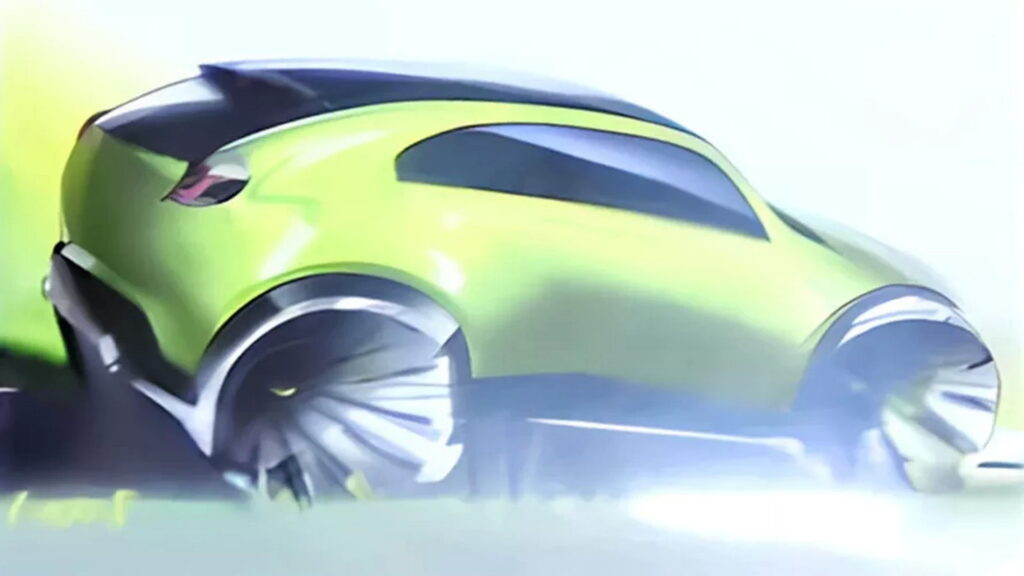
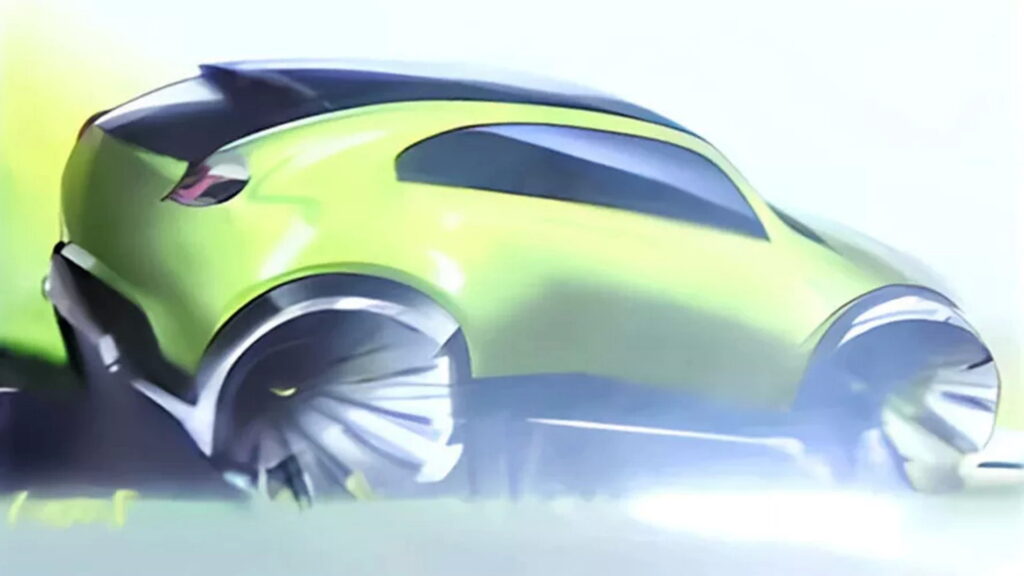
There are clues regarding the future crossover’s appearance. Early sketches shown during Mazda’s investment announcement in Thailand in February 2025 depict a compact crossover with smoother surfaces than the current CX-3, rounded taillights, and stylistic elements inspired by the latest CX-5.
The Vision X-Compact concept, presented later that year in Japan, added more hints. Although Mazda officially described it as a tiny city hatchback, the core design themes are likely to form the basis of the CX-3’s exterior. The Vision-X’s wheelbase is 2,515 mm, slightly less than the current CX-3’s 2,570 mm.
Regional priorities and export plans
Mazda documents indicate that the new CX-3 is being developed partly to strengthen Thailand’s role as an export hub for Japan and ASEAN countries. Australia is likely to remain a priority market, especially given that the current model still sells surprisingly well there despite its age. However, the new model’s appearance on US roads is not expected.
Mazda
It is worth noting that Mazda’s decision to focus on hybrid technologies rather than fully electric powertrains reflects a general trend among automakers adapting to varying rates of electrification across different markets. Thailand, as a manufacturing site, is also becoming an increasingly important hub for Japanese automakers seeking to diversify their supply chains and reduce dependence on the Chinese market. The updated CX-3 is likely to be a key model for maintaining Mazda’s presence in the affordable compact crossover segment, which remains one of the most competitive in the world.