 by
by The new car market is losing buyers
The total volume of new car sales is not something most Americans think about every day. However, automakers know these numbers well. Before the pandemic, about 17 million people in the US bought new cars annually. This indicator became the norm for the industry, allowing companies to plan production. Now, this strategy seems to no longer work.
According to a new report from the Wall Street Journal, approximately one million potential buyers have effectively disappeared from the new car market since the beginning of the decade. Analysts forecast that US sales this year will hover around 16 million or less. Some no longer believe the market will return to pre-pandemic levels by the end of the decade, if ever.
A million buyers cannot afford a new car
The reasons for this phenomenon are not a secret. New cars have become extremely expensive, interest rates remain high, insurance costs are rising, and fuel prices continue to pressure family budgets. The average transaction price (ATP) of a new car is now around $50,000 — an amount that seemed absurdly high not long ago. As a result, many buyers simply cannot keep up with rising prices.
Why automakers stopped chasing volumes
Historically, when sales fell, companies launched aggressive incentive programs, lowered prices, and fought for market share almost at any cost. But the supply shortage during the COVID-19 pandemic taught automakers an important lesson. They realized they could generate excellent profits by selling fewer cars, especially expensive pickup trucks and SUVs. This lesson stuck with them.
John Murphy, automotive analyst and advisor, says: “Automakers have become more disciplined… This is great for investors, great for stock prices, and good for the cost of capital. They are actually running the business much more purposefully.”
Of course, this does not favor consumers who want to see lower prices or more affordable models in lineups where they simply do not exist. Auto company executives acknowledge that the affordability problem exists but offer no solutions from their side. Some manufacturers promise cheaper models in the future, but there are no signs that the industry is preparing to return to the era of cheap transportation.
A smaller and wealthier customer base
In many ways, the modern automotive industry seems to have come to terms with a smaller and wealthier customer base. This strategy can work as long as profits remain high. But if something like another recession occurs, automakers could quickly join the ordinary buyers feeling financial pain.
The situation becomes even more telling when looking at how the market itself has changed. In 2019, affordable cars still made up a significant portion of dealership inventory. Today, models costing less than $25,000 have almost disappeared. Meanwhile, cars priced over $55,000 now occupy a huge market share. Worst of all, the automakers themselves don’t seem concerned by this.
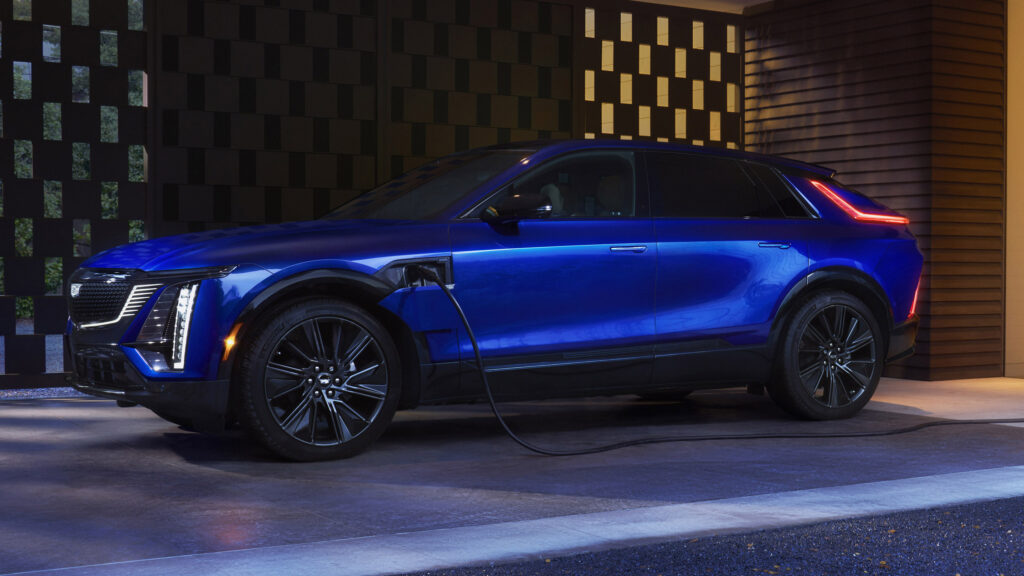
This market transformation carries serious risks. Although automakers are currently posting record profits from selling expensive models, they are essentially cutting themselves off from a significant portion of consumers. If the economic situation worsens and demand for luxury cars drops, companies could face a sharp decline in sales without having affordable models to support volumes. Furthermore, the disappearance of a million buyers from the new car market stimulates the growth of the used car market, where prices also remain high due to a shortage of affordable new cars. This creates a vicious cycle that makes it difficult for many families to update their vehicles.