 by
by Return of the catalytic converter theft problem
Catalytic converter thefts swept across the United States during the Covid-19 pandemic, driven by rising prices of the precious metals inside them. Years have passed, but the problem has not gone away, even though prices for some metals have retreated from their peak values.
Law enforcement agencies in some regions report a recent resurgence in thefts, and CARFAX estimates that several thousand more converters were stolen earlier this year.
Statistics and most vulnerable models
A recent Carfax analysis shows that over 137,000 catalytic converters were stolen nationwide last year. Pickups and SUVs suffer the most, and the reason is mechanical rather than mysterious. They have higher ground clearance, allowing a thief to slide under the vehicle without using a jack.
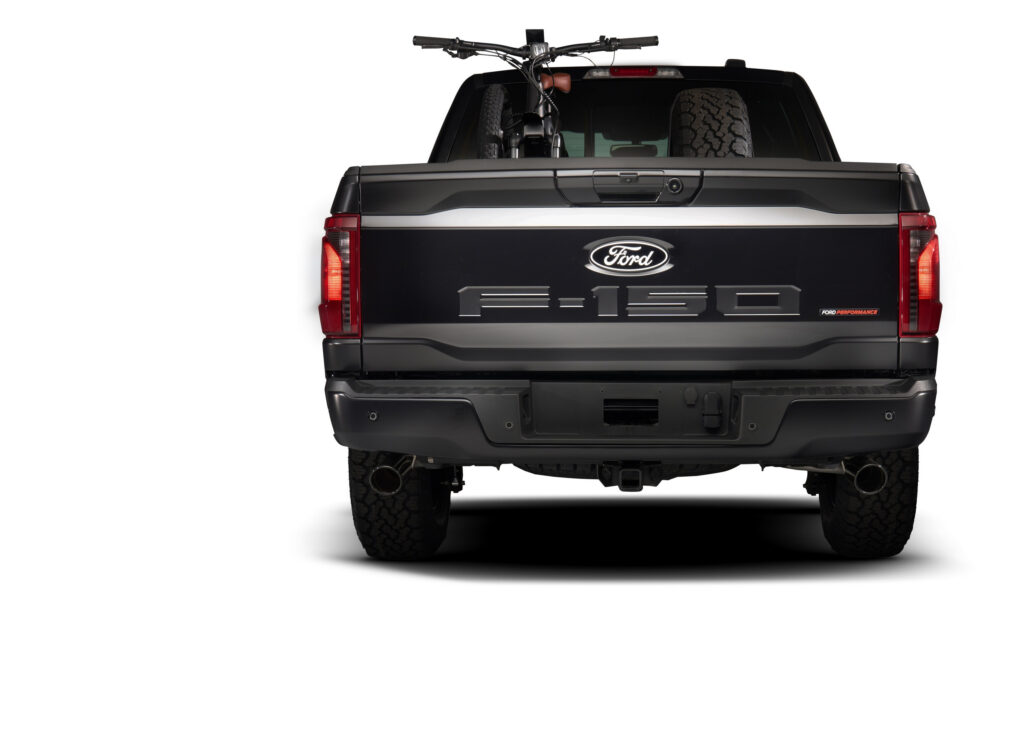
The most common target for criminals in the US is the Ford F-150, which is not surprising given the millions of such vehicles parked on the streets. In second place is the Hyundai Tucson, followed by the Ford Explorer, Ram 2500, Chevrolet Silverado, Chevrolet Traverse, Ram 3500, Ford EcoSport, Ford Expedition, and Chevrolet Trax.
Most popular vehicles among thieves nationwide
| Rank | Model |
| 1 | Ford F-150 pickup |
| 2 | Hyundai Tucson SUV |
| 3 | Ford Explorer SUV |
| 4 | Ram 2500 heavy-duty pickup |
| 5 | Chevrolet Silverado pickup |
| 6 | Chevrolet Traverse SUV |
| 7 | Ram 3500 heavy-duty pickup |
| 8 | Ford EcoSport SUV |
| 9 | Ford Expedition SUV |
| 10 | Chevrolet Trax SUV |
Source: Carfax
Why hybrids are particularly valuable loot
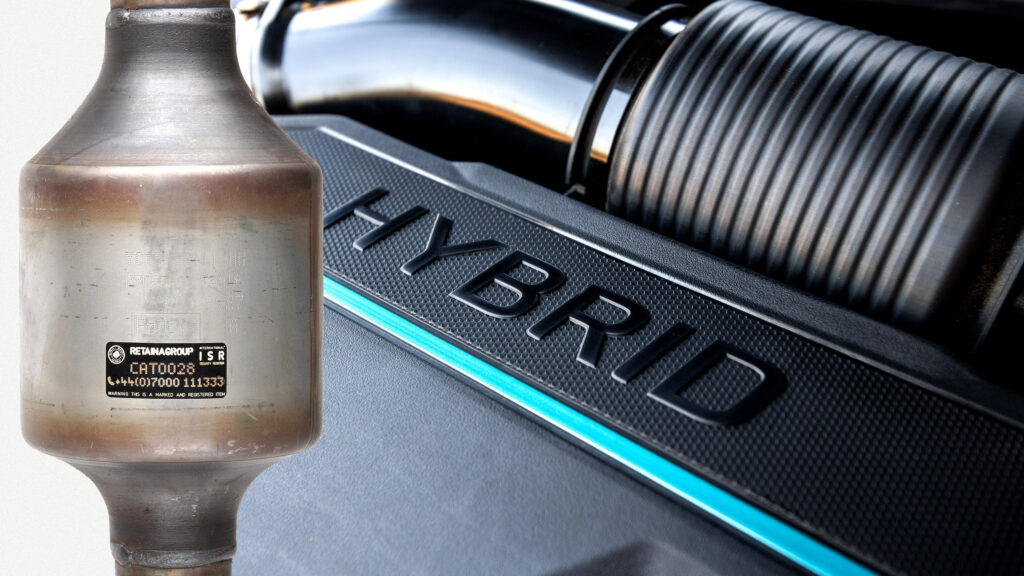
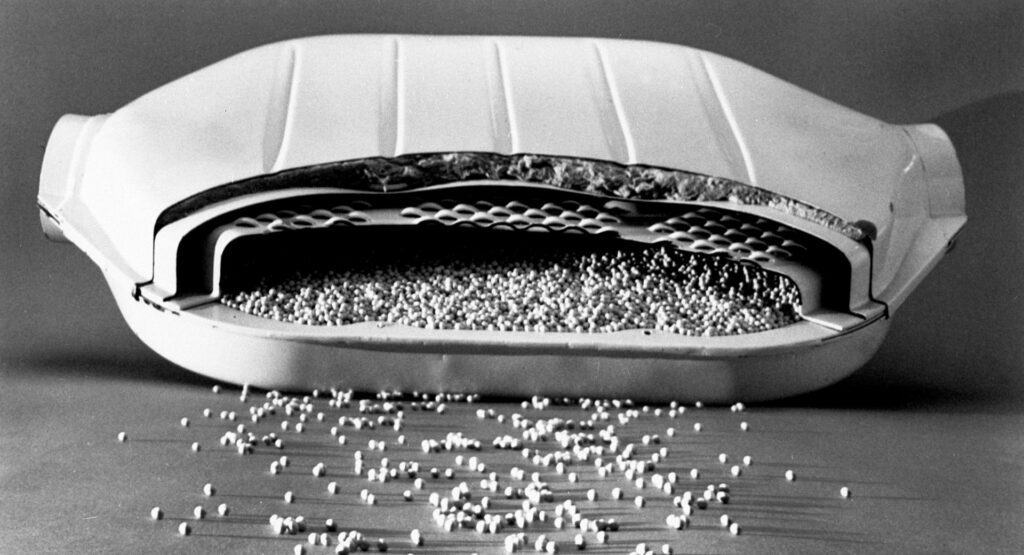
Among the key materials contained in catalytic converters are platinum, palladium, and rhodium. Rhodium prices have more than doubled over the past year, reaching $11,000 per ounce in March. Although this is significantly below the historic peak of around $30,000 in 2021, prices are still high enough to convince thieves that stealing catalytic converters is a profitable venture.
“There is a wide range of vehicles affected, and most of them are pickups and SUVs, which tend to have higher ground clearance, making it easier for thieves to access,” said Patrick Olsen of Carfax. “Experts also tell us that while thieves can get between $25 and $300 for a standard catalytic converter, converters from hybrid vehicles can be sold for up to $1,400 because they contain even more of these precious metals.”
According to law enforcement, the replacement cost can reach $3,000, hitting drivers who do not have full insurance coverage the hardest.
Corporal Annelise Barrett of the Sykesville Police Department recently stated that thieves remove catalytic converters from vehicles in minutes, leaving owners with repair bills in the thousands of dollars. She also noted an increase in incidents both locally and in neighboring cities.
What can vehicle owners do?
While it is impossible to completely stop thieves unless the vehicle never leaves the garage, there are some measures that can help deter them. These may include parking in well-lit areas with high foot traffic, using a closed garage when possible, or installing motion-sensor lights near the parking spot.
Some companies also sell metal cages and anti-theft devices for catalytic converters, and law enforcement recommends increasing the sensitivity of car alarms to make theft attempts more noticeable. It is also worth engraving the vehicle’s VIN number on the converter, which can help authorities trace it in the event of theft.
Although prices for some precious metals, such as rhodium, have fallen from historic highs, they still remain extremely attractive to criminals. This is especially true for hybrid vehicles, which, due to their design features, contain more valuable components. Given that a theft takes only minutes and the replacement cost can reach several thousand dollars, this problem remains a serious financial risk for owners, especially those without full insurance. Expert advice focuses on preventive measures that make thieves’ work more difficult or make the vehicle a less attractive target, as it is practically impossible to fully secure a vehicle on the street.