 by
by Mazda’s main challenge: not cars, but identity
The CEO of Mazda in North America believes the brand has a problem. And it is not a lack of new models, not that they cause discomfort for drivers, and not even the quality of dealer work. In the executive’s opinion, the only thing preventing the automaker from significantly increasing sales is that people still cannot clearly explain what Mazda actually means.
Speaking at the annual Mazda dealer meeting in Texas, CEO of Mazda North American Operations Tom Donnelly admitted that the company’s biggest long-term challenge is its identity. If you stop random people on the street and ask what Mazda represents,
“you will get 10 different answers”
, he noted.
The price of an expanded model lineup
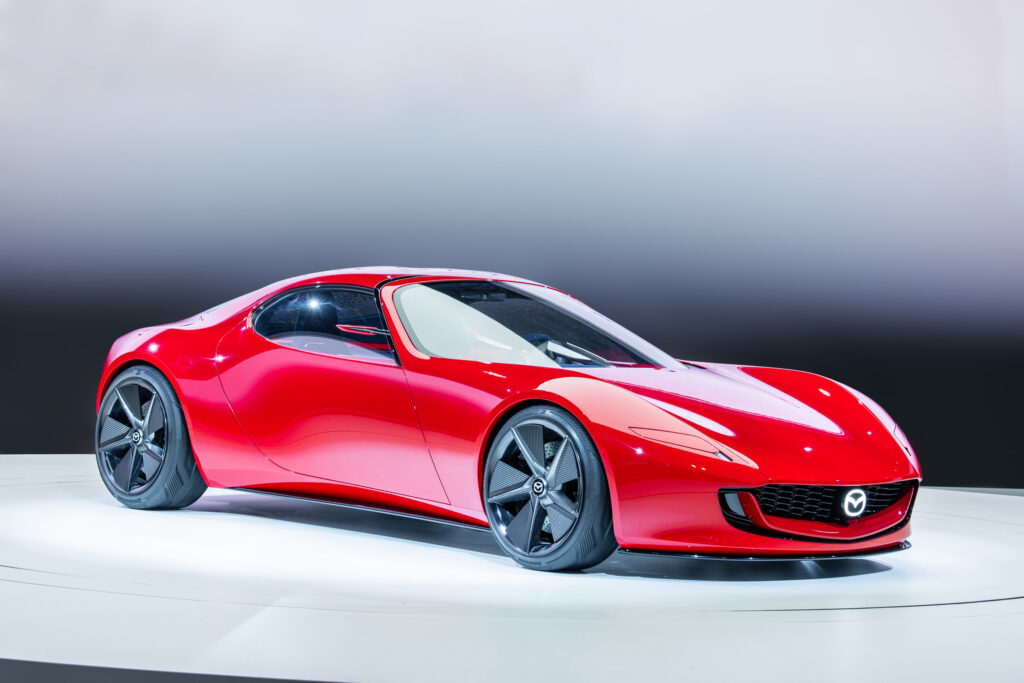
It is this uncertainty, Donnelly confessed, that keeps him up at night. And perhaps this uncertainty is partly related to the expansion of Mazda’s product lineup over the past few years. Donnelly recalls that Mazda was once known outside the enthusiast community primarily for its compact car 3. Later, the CX-5 became its defining model. Now Mazda has several vehicles that generate significant sales volume, including the CX-50, CX-70, and CX-90, but they have become more diverse in price and size.
Mazda does not sell huge body-on-frame SUVs or pickups like many competitors, but it is increasingly positioning itself above mass-market brands in price and presentation. At the same time, it is still not fully perceived as a luxury brand. This leaves the company somewhere in the middle, trying to figure out what needs to be done to increase annual US sales from 400,000 to 500,000 vehicles.
The dealership experience as part of identity
According to Donnelly, the company needs to become more distinctive and desirable by creating stronger emotional connections with customers. The main goal is to make buyers return more often, rather than switching to competing brands after a single lease cycle. Donnelly described his hopes for Mazda’s future customer retention as being “stickier”.
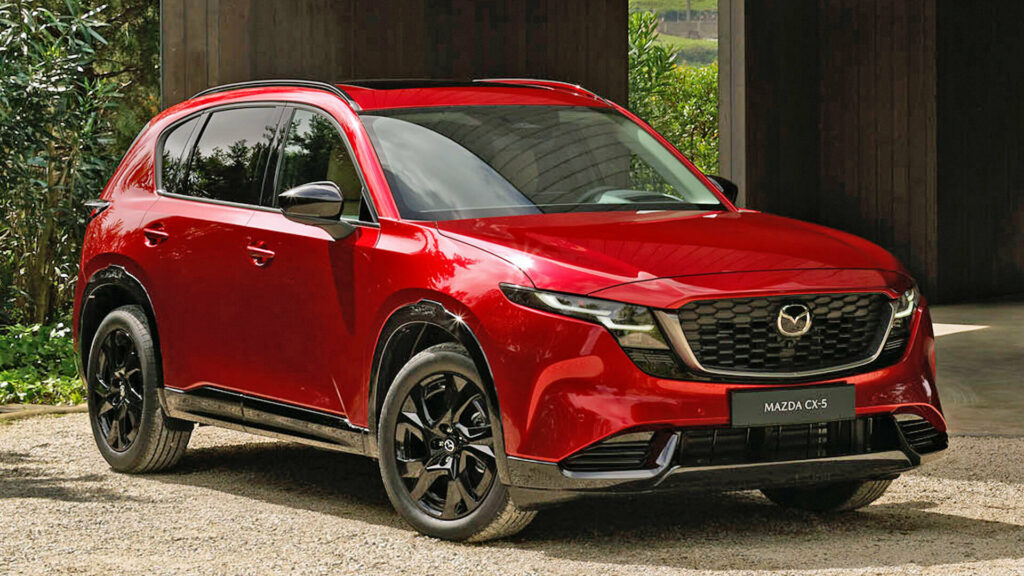
This is easier said than done in a market where almost every automaker claims sporty handling, a premium interior, and advanced technology. Mazda believes the buying experience at the dealership will help refine its identity. Dealers have invested significant funds in showroom renovations, and Mazda is convinced that such an environment can enhance the brand image.
What is Mazda in 2026?
Nevertheless, the main question remains remarkably simple. What exactly does Mazda represent in 2026? Is it a near-luxury alternative to Toyota and Honda? A driver-focused brand? A Japanese Alfa Romeo with reliable engineering? Something else entirely?
We are curious to know what you think. What does Mazda mean to you, and what do you think the company should do to finally create a clearer identity in the eyes of buyers?

The identity issue raised by Tom Donnelly is critical for Mazda, especially in the context of its ambitious growth plans. The company has successfully expanded its crossover lineup, but this diversification seems to have blurred the clear perception of the brand. Mazda has found itself in a kind of “niche between” mass-market and premium brands, making it difficult to attract loyal customers. Investments in dealerships and a focus on emotional connection could be key to solving this problem, but only time will tell if it will be enough to convince consumers that Mazda is not just another car, but something unique.