 by
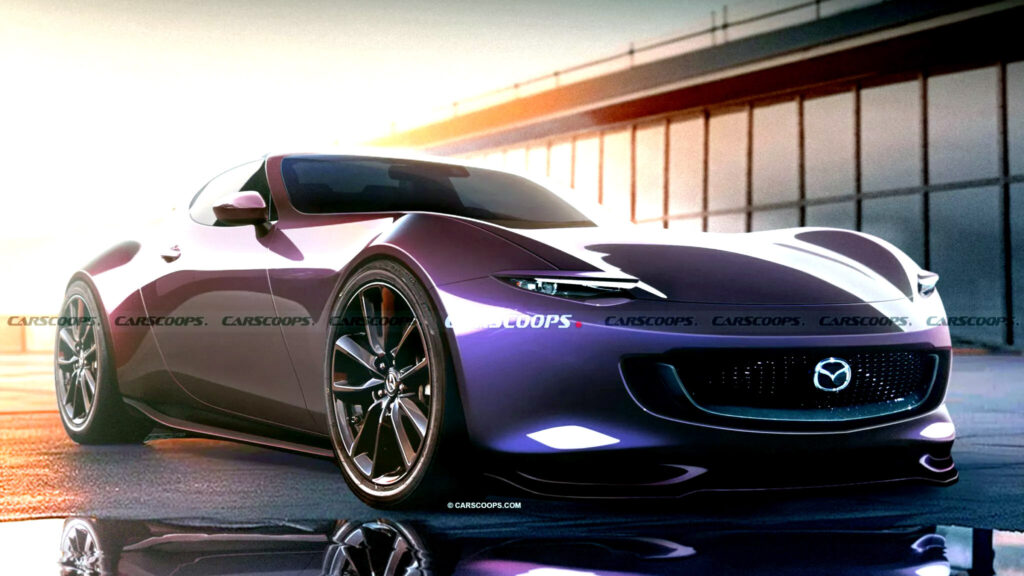
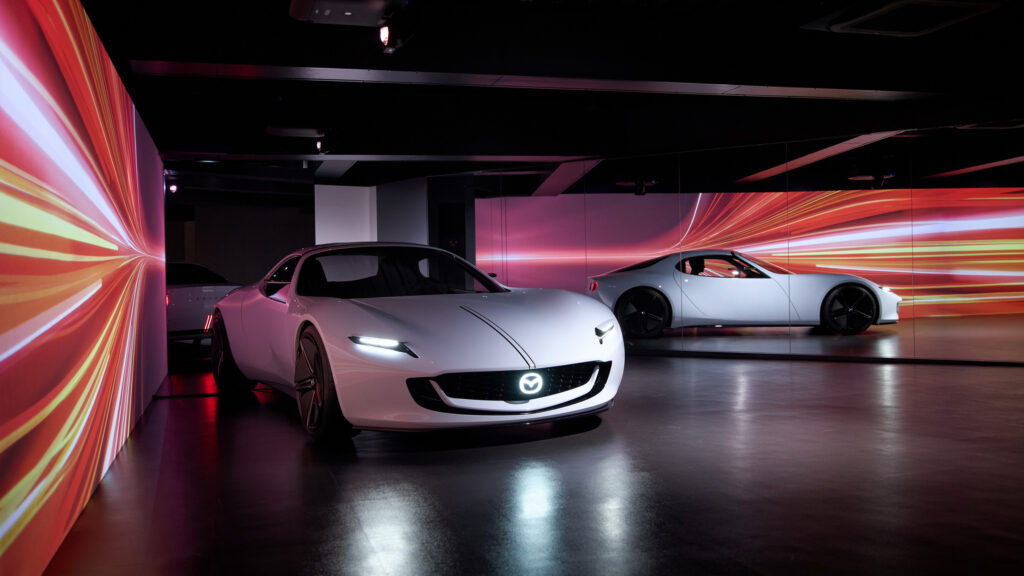
by The future of the legendary Mazda MX-5 roadster (also known as the Miata) is being discussed more and more actively. Although the official premiere of the next generation, which will receive the NE index, is still ahead, Mazda executives have already begun to reveal some details. It is known that a prototype already exists, but the final decision regarding its powertrain has not yet been made. The current ND generation is planned to remain in production for a long time, at least until the end of this decade.
Key Points of the Future Update
In an interview with Auto Rai magazine, Mazda Europe Design Director Jo Stenuit and Director of Technology Research and Compliance Christian Schultze confirmed that the core principles of the MX-5 — driving pleasure, light weight, and affordability — will remain untouchable. However, it is the powertrain that will determine how these principles are realized in the new era.
Electrification is Inevitable, But Not Full
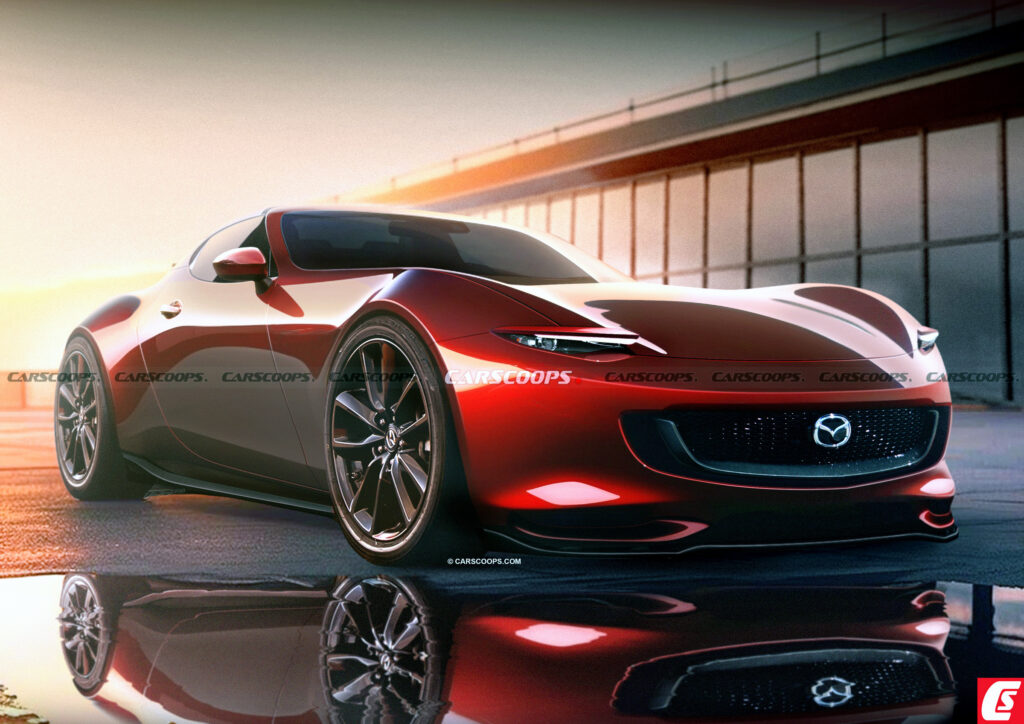
Jo Stenuit stated that the decision on the engine for the new MX-5 is not yet final. Despite his love for gasoline engines, he is confident that the next generation of the roadster will receive some form of electric assistance. Mild hybridization is considered only the minimum option. The designer even imagined a scenario where the MX-5 speeds through a forest with the top down, but without the noise of an engine — such silence is only possible with a deeper level of electrification, such as a plug-in hybrid or an electric vehicle with a range-extender.
As you know, in Hiroshima they are a bit crazy, so something interesting will definitely come out of this. But it will take a few more years.
Synthetic Fuel as a Lifeline for the ICE
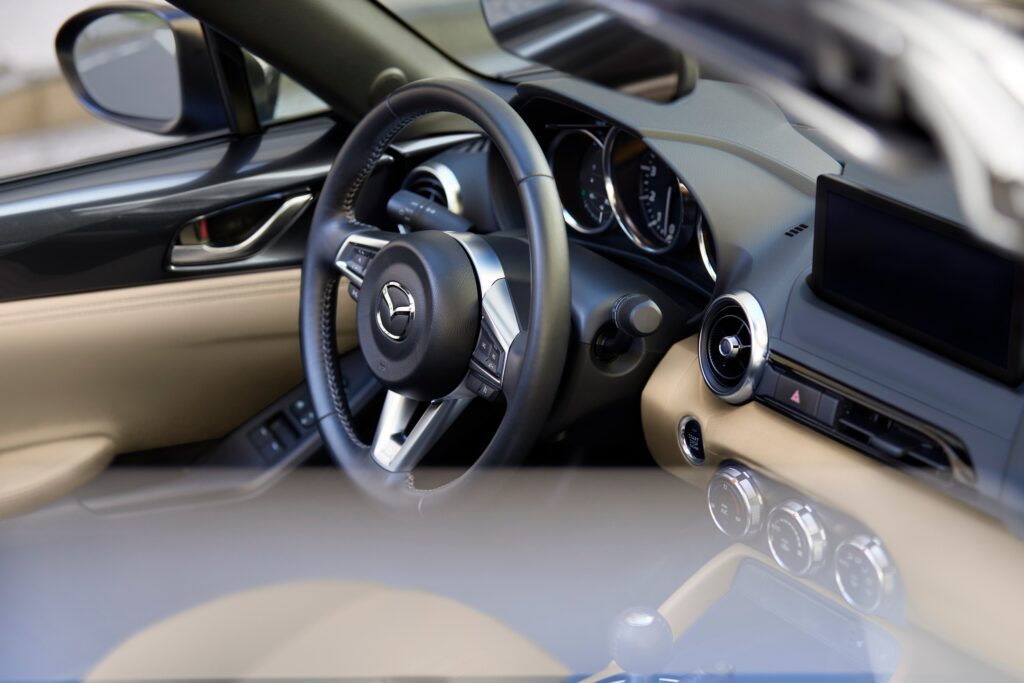
Christian Schultze believes that the simplest way to reduce MX-5 emissions is to use synthetic fuel. This technology would allow the continuation of the existing internal combustion engine without radically reworking the car’s concept, preserving the lightweight construction and mechanical purity that define the roadster’s character. He called this path a very logical and obvious solution, especially paired with a mild form of electrification.
I sincerely hope that in the future we will be able to offer an MX-5 that is electrified, but not fully electric.
Engineering Challenges of Full Electrification
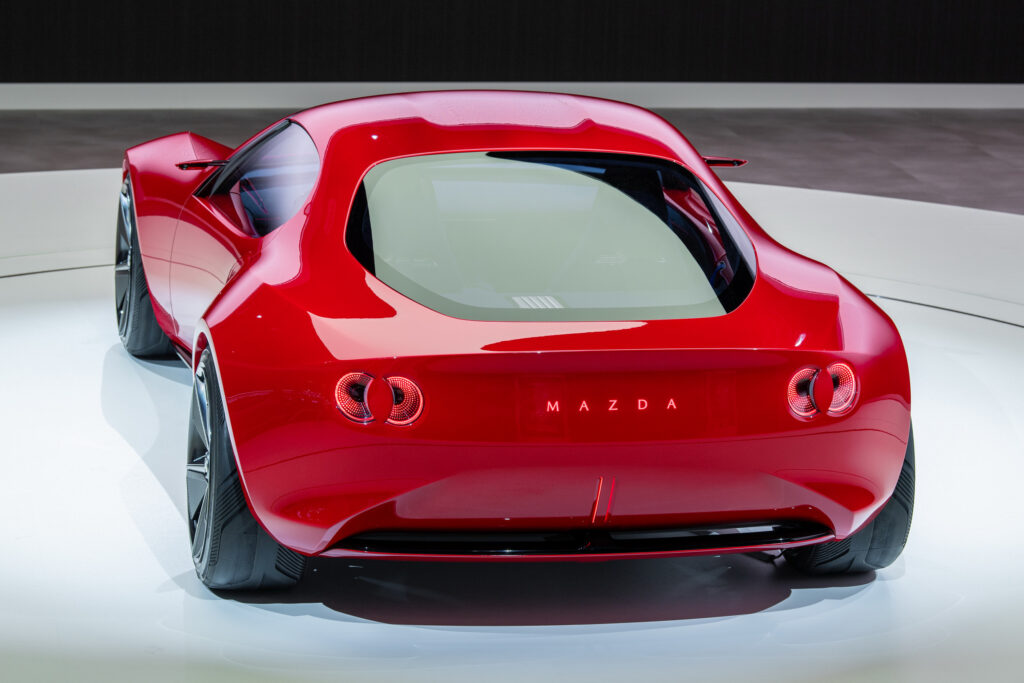
Schultze also emphasized that a fully electric MX-5 would be a serious engineering challenge. Batteries could make up half the car’s weight, which would force Mazda to drastically change the model’s architecture. This would require very smart design, new materials, and different packaging to preserve the characteristic balance and lightness.
The possibility of installing a larger 2.5-liter SkyActiv Z gasoline engine is also being discussed. However, Schultze is cautious about this idea, noting that a larger engine is by definition heavier, and the extra weight at the front negatively affects balance and steering response.
The Current ND Model Stays With Us
Despite all the discussions about the future NE, both executives made it clear that the current ND generation, which has been in production since 2014, will remain on sale for a long time to come. The company is focused on extending its life cycle as much as possible and meeting new regulations.
Right now we are mainly focused on the current MX-5 and how we can best preserve and develop it further… We are working ahead, but not rushing decisions.
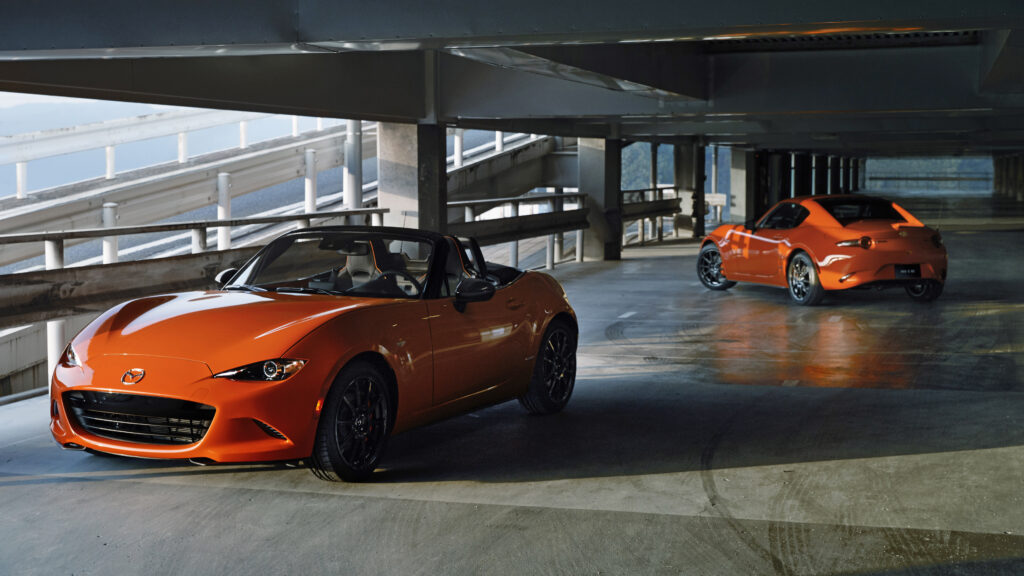
The engineer noted that Mazda is looking for a technically balanced solution with the required performance, correct weight, and full compliance with regulations. This will allow the current engines to operate for as long as possible. As Schultze has said more than once, the MX-5 has always been about the art of slow driving, about balance, feedback, and the pleasure of the road without chasing record speeds. Preserving this character remains the top priority, regardless of what exactly will power the next chapter in the history of this iconic roadster.
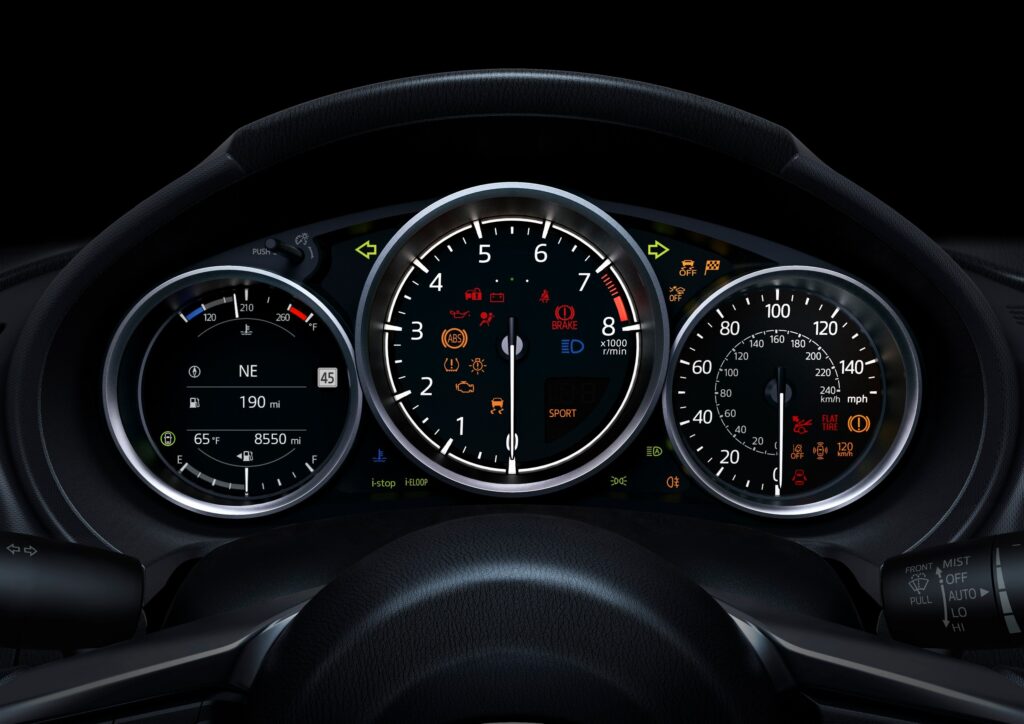
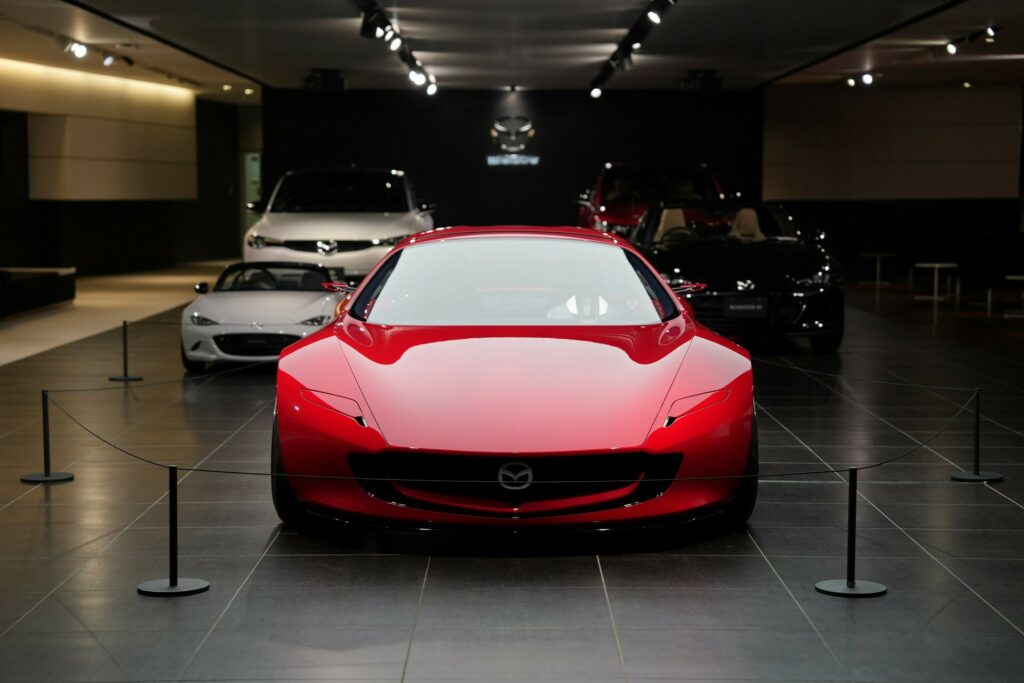
Mazda’s approach to updating the MX-5 can be called evolutionary, not revolutionary. Instead of blindly following the general trend of full electrification, the company’s engineers and designers are carefully weighing all options, trying to find a balance between environmental requirements and the unique qualities that made this car iconic. The use of synthetic fuel together with a mild hybrid system looks like one of the most promising paths, as it allows not to sacrifice weight and precise weight distribution. The final decision will undoubtedly depend not only on technological capabilities but also on legislative frameworks, such as the future Euro-7 standards. For now, MX-5 fans can rest assured: the beloved roadster will not disappear, but will only adapt to new realities, trying to preserve its soul.