 by
by Photographers have captured the updated 2027 Range Rover Velar SUV, this time managing to shoot not only the exterior but also the car’s interior. The obtained images demonstrate a number of changes which, at first glance, do not look overly luxurious.
Updated Controls and Interface
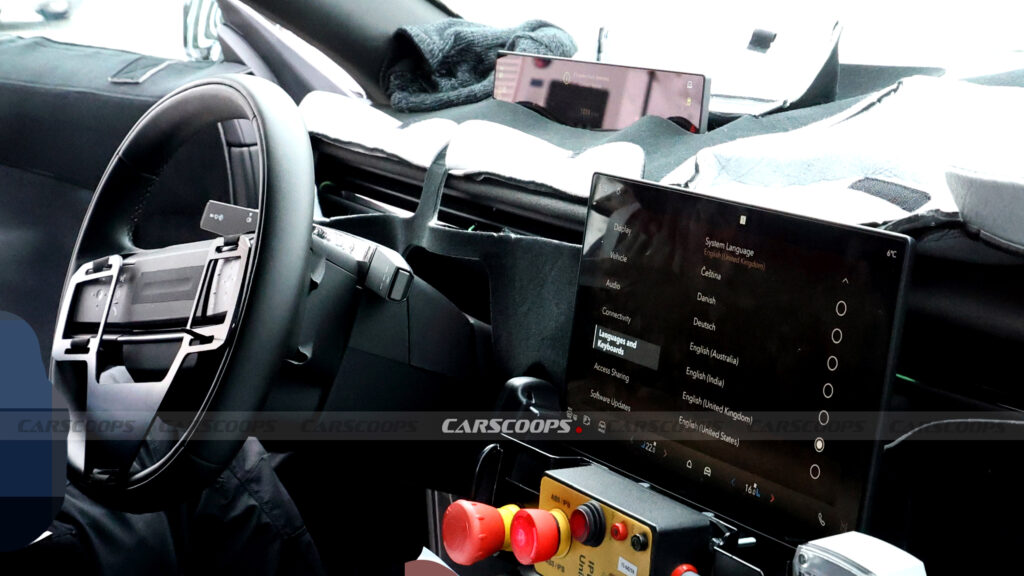
The driver now sits behind a new two-spoke steering wheel, whose horizontal crossbar is equipped with digital buttons. An even more noticeable change is the abandonment of traditional joystick-like stalks on the steering column. Instead, short, wing-shaped control elements have appeared.
Forget Jaguar, Land Rover Might Have the Coolest New EV
A flat dashboard panel with a separately positioned digital instrument cluster is also visible. It looks relatively small compared to the 12.3-inch displays that are now common in many cars.
Minimalist Interior and New Multimedia System
Slightly lower is what appears to be a full-width grille of air vents. Next to it, a new multimedia system with a rectangular-shaped display is installed. At the bottom of the screen, there is a dedicated panel for climate control and quick access, indicating a minimal number of physical buttons in the cabin.
Overall, the interior does not look particularly luxurious, but most of the cabin is hidden under camouflage. Therefore, it is quite possible that Windsor leather and wood decorative inserts are hiding beneath it.
Aerodynamic Exterior Design
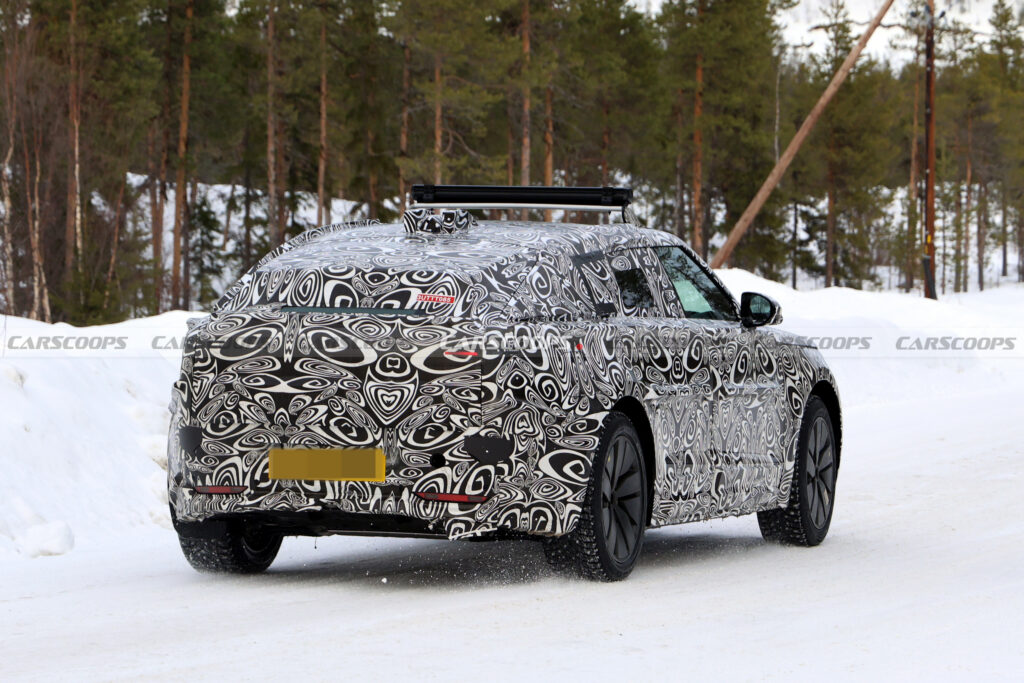
Turning away from the interior, the Velar has received a sleek new design focused on improving aerodynamics. At the front, there is a fully enclosed radiator grille, flanked by narrow headlights. These are complemented by a clamshell-style hood and a wide lower air intake.
The hood flows smoothly into a steeply raked windshield, which, in turn, integrates into an angular roof. Despite rumors that the model, similar to the Polestar 4, might lose its rear window, a gap in the camouflage clearly shows its presence.
Technical Features and Production
This is the right decision, as are the streamlined body panels and aerodynamically optimized wheels. Among other details are flush door handles, a rear charging port, and a rounded rear end.
The Velar will be built on the Modular Electric Architecture (EMA) at the company’s plant in Halewood, UK. Land Rover is not disclosing detailed specifications, but the model may inherit features from the electric Range Rover. It is expected to receive a 117 kWh battery pack, as well as an all-wheel-drive system with two electric motors producing 542 hp (404 kW) and 627 lb-ft (849 Nm) of torque.
The presented images lead to the conclusion that Land Rover is betting on technology and efficiency in the new generation Velar. The emphasis on aerodynamics and electrification aligns with general automotive industry trends. The interior, hidden under camouflage, leaves room for speculation regarding the final level of trim, however, it is obvious that the main development vector has become the integration of advanced digital solutions and a minimalist approach to controls. The success of this model in the market will largely depend on how successfully it manages to combine innovation with the level of comfort and premium feel that buyers traditionally expect from the Range Rover brand.