 by
by Toyota finds itself at the center of a tariff scandal: buyers demand compensation
Toyota has faced a serious legal challenge due to its pricing policy. A new lawsuit filed in a California federal court accuses the automaker of shifting billions of dollars in costs related to import tariffs onto American buyers. The plaintiffs argue that if Toyota can recover these funds from the U.S. government, buyers are entitled to compensation.
The essence of the lawsuit: who paid for the tariffs?
The class-action lawsuit, filed on behalf of California resident Ananias Cornejo, claims that Toyota raised prices on vehicles and imported parts after tariffs imposed under the International Emergency Economic Powers Act took effect. Since these tariffs reportedly face legal hurdles, buyers believe they are entitled to a share of the money Toyota may recover from the U.S. government.
According to court documents, Toyota allegedly absorbed about $9 billion in tariff costs related to operations in Japan, Canada, and Mexico, and then passed most of that burden onto consumers.
The lawsuit covers Americans who purchased or leased relevant Toyota products between February 2025 and February 2026. Lawyers representing the plaintiffs argue that the company did not disclose whether customers would receive compensation if the tariffs were refunded.
Is it easy to prove the link between tariffs and prices?
Automakers constantly raise prices for various reasons, from material costs to market demand. Proving a direct link between tariffs and rising sticker prices may be more challenging than squeezing into the back seat of a GR86. However, some of Toyota’s price increases have been quite significant.
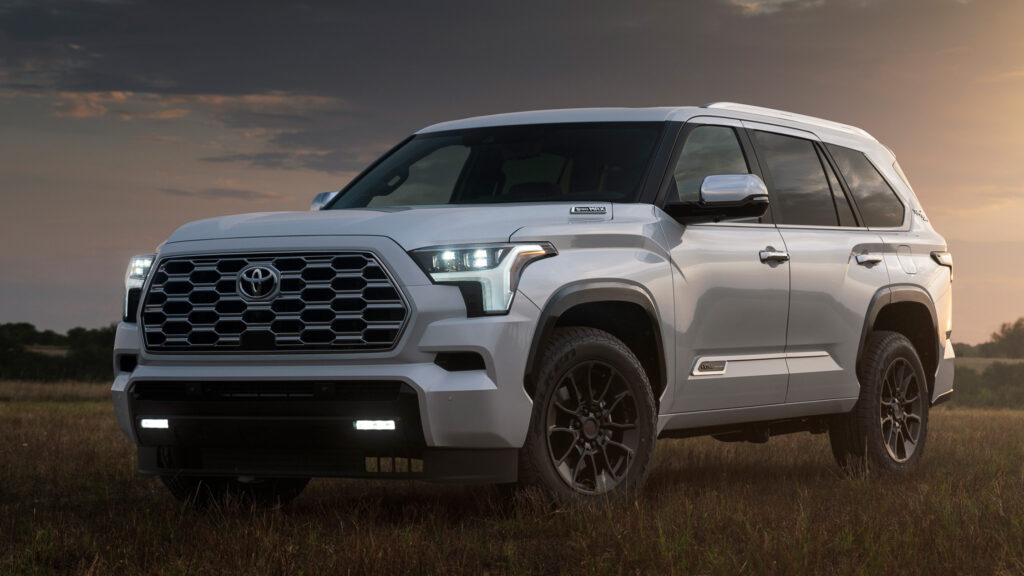
The Sequoia increased by $1,600
Toyota, however, has publicly avoided blaming tariffs for recent price adjustments, which included a $1,600 increase in the cost of the 2026 model year Sequoia compared to the 2025 model. The company has announced several MSRP increases, insisting they are part of a “regular price review.”
Many competitors have also quietly raised their prices, carefully sidestepping the politically sensitive topic of tariffs. But some, like Porsche, have openly acknowledged expecting customers to pay more to help cope with tariffs on imported vehicles.
Financial implications for Toyota
Despite raising prices to offset tariff costs, Toyota’s North American business has taken a serious hit from President Trump’s trade strategy. According to WardsAuto, tariffs wiped out regional profit during the 2026 fiscal year, leaving Toyota with an operating loss of nearly $2 billion.
Toyota
Whether buyers will see a single penny remains an open question. Even if courts ultimately force a refund of the tariffs, turning that into checks for millions of customers would be a legal and logistical nightmare. For now, lawyers have the best chance of profiting from this case.
This situation demonstrates the complexity of the relationship between global trade policy and pricing for end consumers. While Toyota, like many other manufacturers, has tried to minimize public discussion of tariff impacts, the lawsuit may force the company to disclose more details about its internal financial decisions. If the plaintiffs succeed in proving a direct link between tariffs and price increases, it could set a precedent for other similar lawsuits against automakers, potentially leading to significant payouts for millions of car owners in the U.S. At the same time, even with a court victory, the process of distributing funds would be extremely complex and lengthy.