 by
by Summer electric car test in Norway: who met and who exceeded expectations
Most modern electric cars look like champions of long-distance travel on paper, but the numbers in the specifications and the real world do not always match. The Norwegian Automobile Federation (NAF), together with the independent member magazine Motor, once again conducted the semi-annual “El Prix” range test, testing 24 electric models to find out which ones meet the official WLTP figures and which ones fall short.
This time, the testing took place in the most favorable conditions for electric cars. NAF conducted the test during the Norwegian summer, on dry roads and at temperatures between 12 and 18°C.
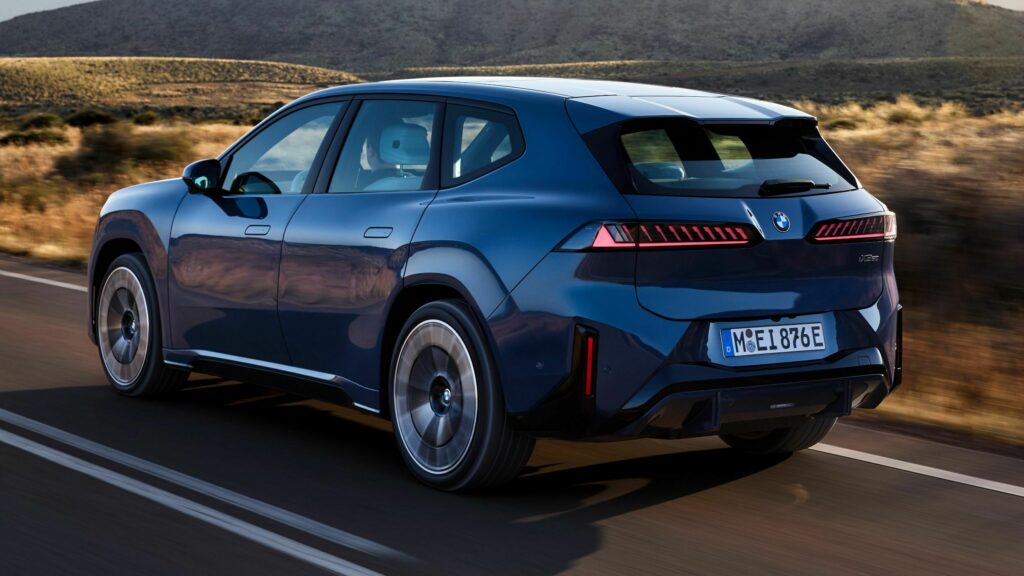
BMW iX3: undisputed leader in range
The best result was achieved by the new BMW iX3 50 xDrive, which traveled 781 km on a single charge. This is not only close to the stated figure but 1.5% more than the official WLTP and a full 11.7% more than the advertised EPA range.
As expected, the new iX3 showed significantly more range than the model it replaced. However, NAF notes that the previous generation iX3, tested in 2021, still holds the absolute summer record for positive deviation, exceeding its rating by 23.5% with a result of 556 km.
Record holder of past years and new Chinese achievements
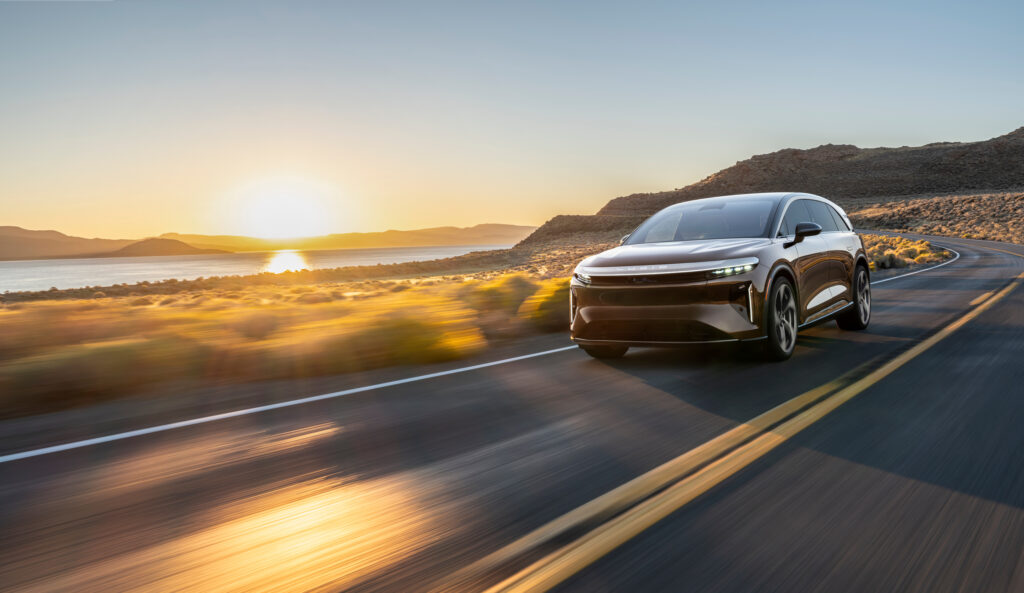
The absolute record for the longest range belongs to the Lucid Air, which achieved 832 km in the summer of 2025. This year, Lucid introduced the Gravity SUV, which traveled 720 km, falling 3.7% short of the expected figure.
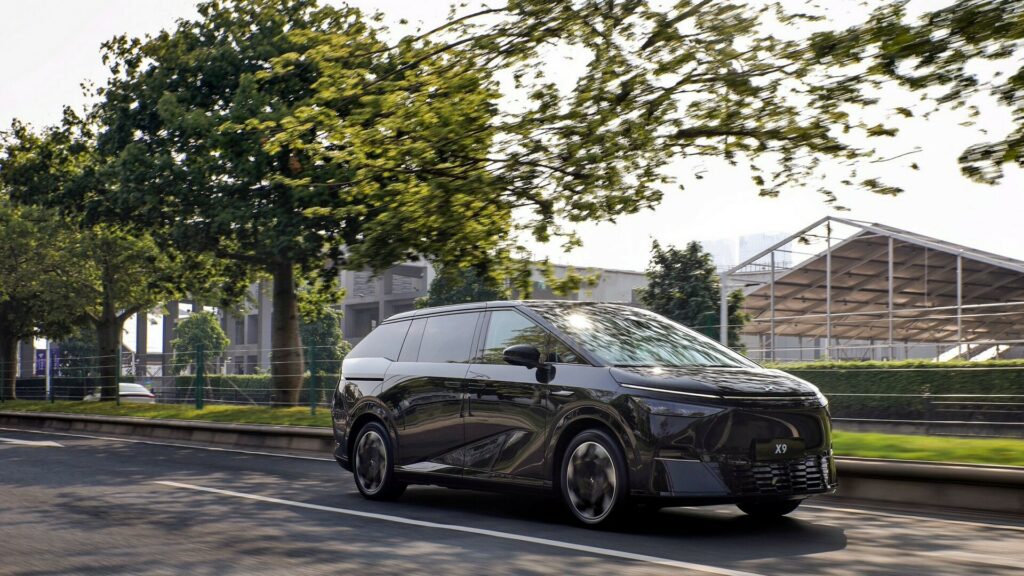
Although the BMW traveled the farthest, the most impressive result of the year was demonstrated by the XPeng X9. The Chinese minivan showed a real-world range of 646 km, surpassing its WLTP rating (580 km) by 11.4%. Such overperformance is not new for XPeng, as the G9 SUV exceeded its advertised range by 13% back in the 2023 test.
Underperformers and surprises of the test
At the opposite end was another Chinese model — the MG IM6, which traveled only 446 km, which is 11.7% less than its WLTP figure. Nils Sødal, Senior Communications Advisor at NAF, said the result caught the team off guard:
We were surprised by such a large negative deviation for this MG, especially when another MG model, the S6, achieved a positive deviation of 3.4%.
The remaining participants remained within a narrow range, deviating from the stated range by -5.7 to +5.4%, thanks to dry roads and moderate summer temperatures.
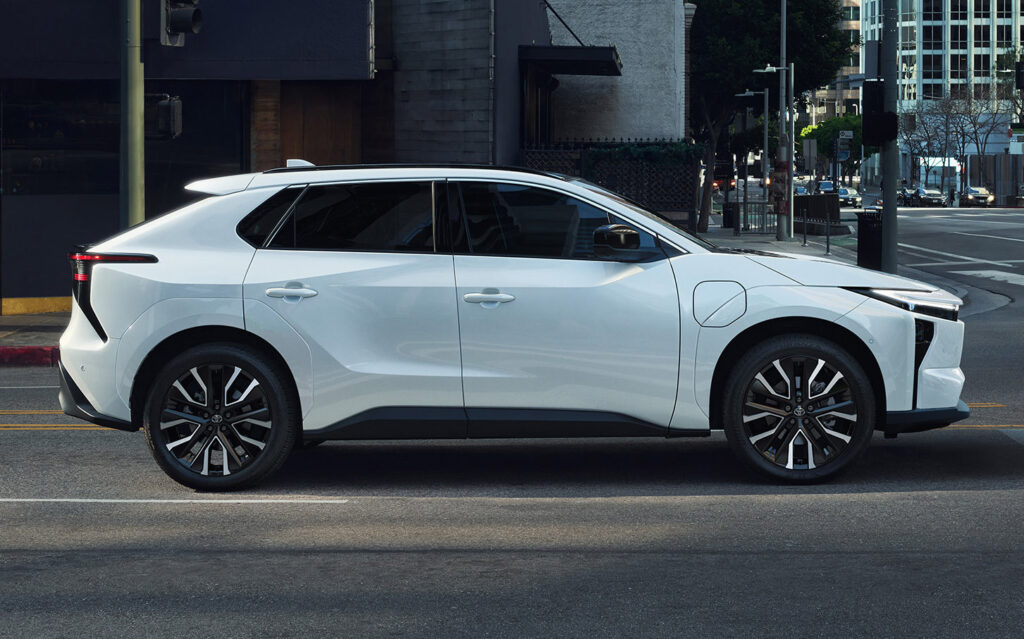
Interestingly, the updated Toyota bZ4X perfectly matched its WLTP figure of 506 km during the real-world test. However, the driver noted that the Japanese model showed 0% battery charge 18 km before it actually ran out of power. It is worth remembering that NAF pushes these electric cars to the absolute limit, driving each one until it is completely discharged.
Full results of the “El Prix” test (Summer 2026)
Below are the results for all 24 electric cars that participated in the 2026 summer edition of “El Prix”, sorted from the longest to the shortest range on a single charge.
These results highlight that summer conditions are ideal for electric cars, allowing many models not only to achieve but also to exceed their stated figures. The successes of Chinese manufacturers, such as XPeng, which demonstrate significant overperformance of planned numbers, are particularly impressive. At the same time, the case of the MG IM6 serves as a reminder that even in favorable weather, some models can significantly fall short of promises, making such independent tests extremely important for a realistic assessment of electric car capabilities. The fact that the majority of participants remained within a 5-6% deviation indicates a general increase in the accuracy of stated characteristics, although isolated exceptions still occur.