 by
by State of Iowa Increases Speed on Rural Highways: New Limit from July 1
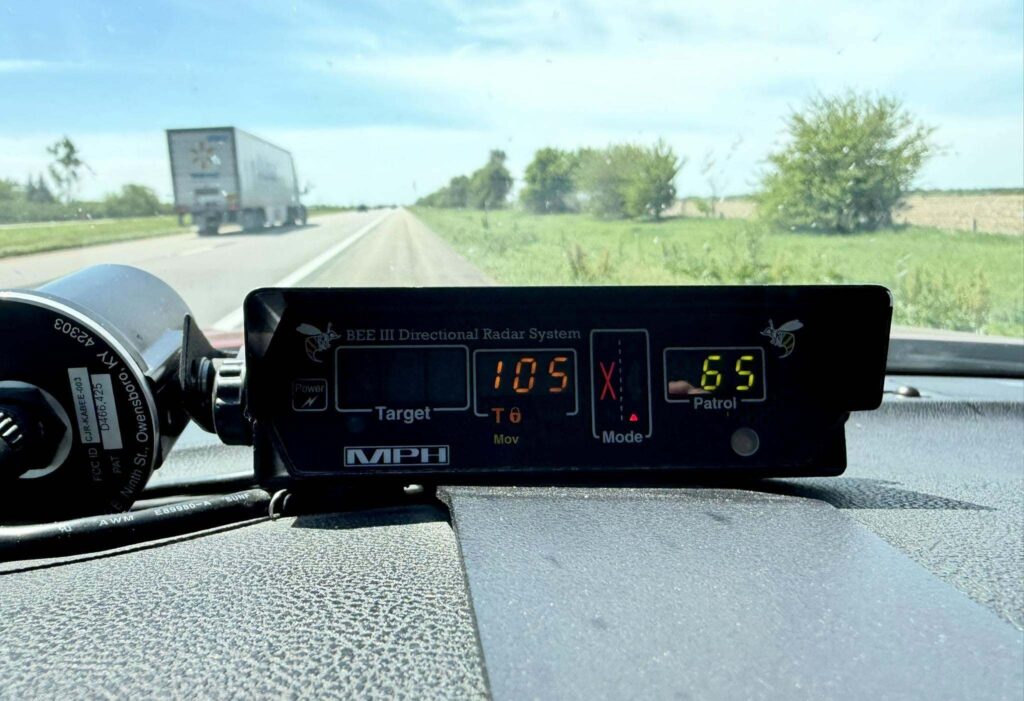
Despite the calendar already reading 2026, Iowa’s rural highways have until recently been subject to a 55 mph (89 km/h) speed limit that many considered too slow. Starting July 1, this figure will increase to 60 mph (97 km/h). Although the change is not drastic, it brings Iowa in line with other states that are gradually raising permissible speeds, adapting to modern driving conditions, safety standards, and road infrastructure.
The relevant law, Senate File 378, was signed by Governor Kim Reynolds on June 1. It amends the state code, raising the standard limit for vehicular traffic from 55 to 60 mph, unless other restrictions are posted on a given road section.
Replacing Signs: Neither Fast Nor Cheap
According to estimates from the Iowa Department of Transportation, updates will involve about 1,800 road signs. To avoid spending funds on immediate replacement, the law allows for the use of temporary stickers or overlays on old signs until they are replaced as part of the regular maintenance schedule. The total cost of updating the signs is preliminarily estimated at around $270,000.
New Rules for Minor Violations
In addition to raising the limit, the law contains another important provision. Starting in July, the first two speeding violations within a 12-month period that do not exceed the limit by more than 10 mph (16 km/h) cannot be used for decisions regarding licensing, insurance rates, or policy renewals. This applies to zones where the permitted speed is between 34 and 61 mph.
This means a driver fined for driving 65 mph in a zone with the new 60 mph limit will still receive a ticket, but such a violation will not have the same severe long-term consequences for insurance premiums or driving history as more serious speeding offenses.
Even Police Consider the Old Limits Too Low
“By stopping a car in the middle of such high-speed traffic, we create a greater danger. Sometimes, allowing drivers to go a little faster makes the road safer not only for them but also for us,” noted Major Chris Smith of the Linn County Sheriff’s Office.
This opinion is not isolated. Even 60 mph on a rural highway seems modest compared to other states. For example, Texas has highways with an 85 mph (137 km/h) limit, and Arizona is considering completely eliminating speed limits on rural roads during daylight hours.
Do you think this increase is the right step?
Ultimately, this decision reflects a nationwide trend: laws often fail to keep pace with the realities of traffic and safety. Raising the limit by 5 mph is unlikely to fundamentally change driver behavior, as many are already driving faster than permitted. However, it may reduce the number of dangerous situations caused by speed differentials between traffic flows and ease the burden on police, who have had to stop drivers for what are essentially minor violations. It is a compromise between what is desired and the actual state of affairs on the roads.