
 by
by Chrysler recalls Pacifica Hybrid due to battery fire risk
Chrysler has announced a recall of 17,277 Pacifica Hybrid minivans due to a potential battery fire risk. Owners are advised not to charge the affected vehicles until repairs are completed. The issue is likely related to battery cells supplied by LG Energy Solution.
If Chrysler should have perfected something by now, it would be the Pacifica Hybrid. This minivan has carried the brand’s ambitions for years and remains the closest thing to a flagship vehicle in Chrysler showrooms. That is why the new recall, which affects 17,277 units, is particularly awkward, especially given that owners are being told to stop charging their vehicles and park them away from buildings.
Recall details and risks
The recall, announced on the same day Jeep is recalling over 1.3 million Wrangler and Gladiator vehicles worldwide for an unrelated fire risk, covers certain 2020-2022 Chrysler Pacifica PHEV models equipped with high-voltage battery packs.
To be fair, Chrysler states that the issue appears to be related to battery cells manufactured on an alternative production line by supplier LG Energy Solution. According to the automaker, these cells may fail internally, potentially leading to thermal runaway and vehicle fire. Chrysler estimates that approximately one percent of affected vehicles may have this defect.
According to recall documents, four known fires have occurred with batteries containing cells from this limited production line. Due to the severity of the risk, Chrysler’s advice is straightforward: park outdoors, away from buildings, and do not charge the vehicle. This combination of instructions suggests that the fire risk is not necessarily limited to when the vehicle is on or charging.
Causes and solution of the problem
At this time, both Chrysler and LG have been trying to determine the root cause of the issue for several months. According to documents filed with the NHTSA, neither company is currently certain of the cause. For now, Chrysler’s solution is a combination of software and hardware fixes.
Dealers will update the battery control module software, which is designed to monitor conditions that could lead to a fire. After that, vehicles will be inspected, and battery packs will be replaced if necessary. The automaker is also offering an extended warranty with no mileage or time limit for customers who receive battery health warnings related to the defect.
Next steps and context
Notification letters to dealers will begin to be sent on June 11. Vehicle owners will receive similar notifications no earlier than June 23. This is a difficult situation for Chrysler, given that the problem appears to be more related to the supplier than to internal company errors. Additionally, it seems that fewer than 10 incidents have led to this recall, which now covers over 17,000 vehicles. But when the risk is as dangerous as a battery fire, it is the only possible step.
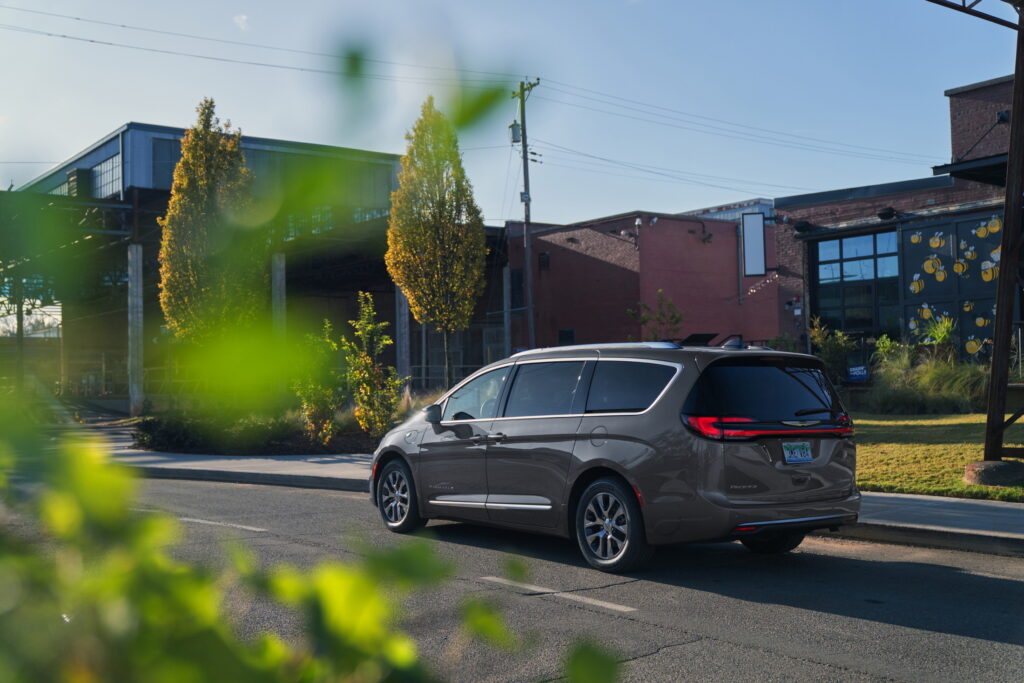
This recall serves as another reminder of the challenges automakers face when integrating complex lithium-ion battery technologies. While the number of actual fires is small compared to the total number of recalled vehicles, the potential safety consequences are extremely serious. The situation also highlights the critical dependence of automakers on the quality of components supplied by external partners such as LG Energy Solution. For Chrysler, which is trying to maintain the relevance of its brand, such incidents could undermine consumer confidence in their key model, the Pacifica Hybrid, especially at a time when the minivan market is becoming increasingly competitive.

