 by
by Trump accuses oil companies of inflating fuel prices
President Trump stated that oil companies are artificially inflating prices for consumers. He emphasized that the cost of gasoline is not decreasing as quickly as crude oil prices are falling. Over the past month, fuel prices have dropped by nearly 60 cents but still remain high.
Situation on the fuel market
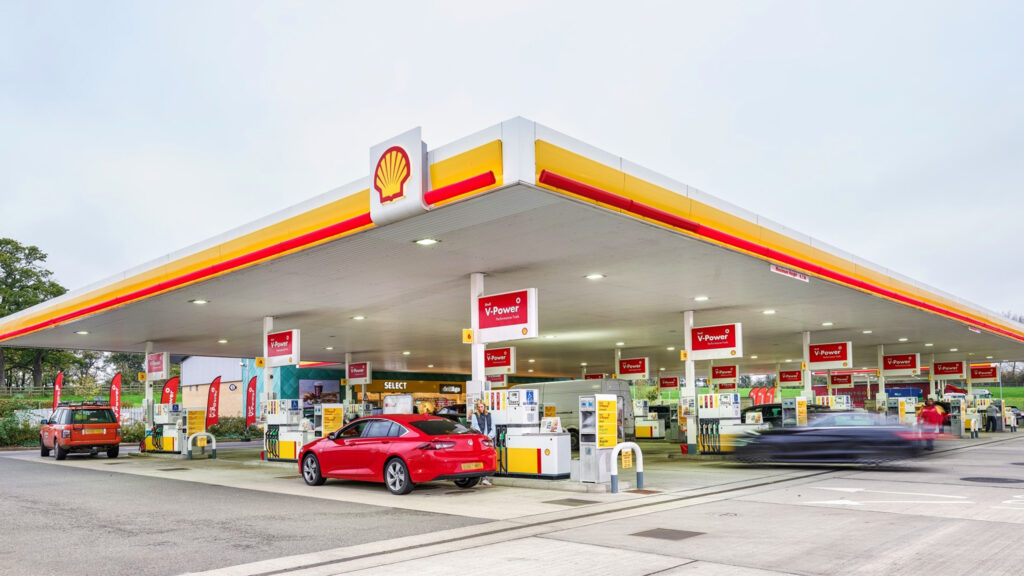
Gasoline prices have been falling for some time, and the national average has dropped to $3.93 per gallon. This is down from $4.52 a month ago and $4.03 last week.
Despite the decline, President Trump claims that “big oil companies are ripping off customers.” He provided no evidence but noted that companies are not lowering gasoline prices “in line with the significantly lower prices they are paying for oil.”
“Customers are being ripped off” — stated President Trump, accusing “Big Oil” of price gouging.
Impact of geopolitical factors
Although the price of West Texas Intermediate crude oil has fallen to approximately $71 per barrel, there was no doubt that gasoline prices would remain elevated for some time after the war with Iran. Prices hovered around $100 per barrel for most of March, April, and May before retreating this month following the signing of a memorandum of understanding for an “immediate and permanent cessation of military operations on all fronts, including Lebanon.”
Hostilities in the latter country threaten to derail the agreement, and it is worth noting that the Memorandum is only a temporary solution for a “final agreement” that the United States and Iran intend to reach within 60 days. Given the uncertainty, the market is still somewhat unstable.
Reaction from the administration and experts
Despite this, Trump “directed” the Department of Justice to begin an investigation into his claims of price gouging. He also added: “Gas prices better start falling a lot faster than what I’m seeing!”
However, everything is much more complicated than it seems. The American Petroleum Institute warned earlier this month that “global energy markets do not reset instantly when disruptions end.” As experts noted, oil tankers are slow and need time to reach their destinations, traveling at speeds of about 10-13 knots (12-15 mph) and covering vast distances.
While a ship can travel from the Strait of Hormuz to India in about a week, it may take three to four weeks for a vessel to reach Asian countries such as South Korea. For Europe and the western United States, it takes about a month.
“Gasoline prices do not move in sync with crude oil prices, especially during major global disruptions that still affect supply, refining, and inventories,” said American Petroleum Institute spokeswoman Bethany Williams.
She added: “Our focus remains on supporting market stability and ensuring consumers have the energy they need.”
Main image: The White House
The situation on the fuel market demonstrates the complex interplay between geopolitical events, supply logistics, and pricing. While the presidential administration demands rapid price reductions, experts emphasize objective delays in supply chains. It is worth considering that even after the cessation of hostilities, the market needs time to stabilize, and temporary agreements do not guarantee long-term peace. Thus, expectations of an immediate drop in gasoline prices may be unrealistic due to the fundamental characteristics of global energy trade.