 by
by Buyer sues Ford over refund of $1.3 billion in tariffs
Nobody likes paying an inflated price for a new car due to tariffs. But finding out after signing the contract that the automaker can get that money back, and you cannot, is frankly unfair. That is the core argument behind a new lawsuit that could have far broader implications than one sold Ford vehicle.
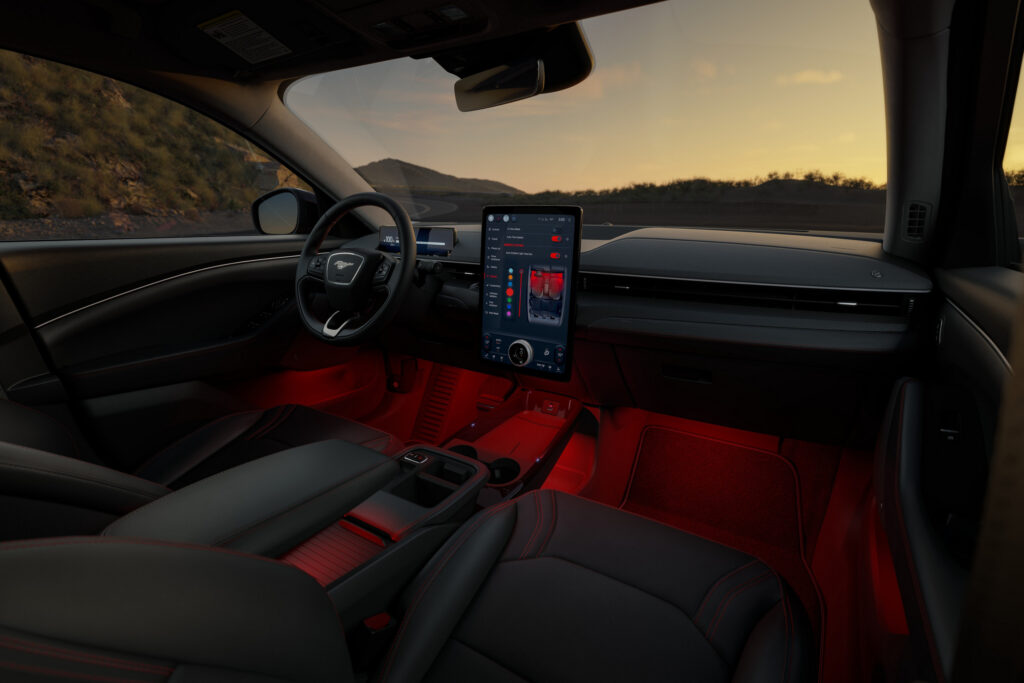
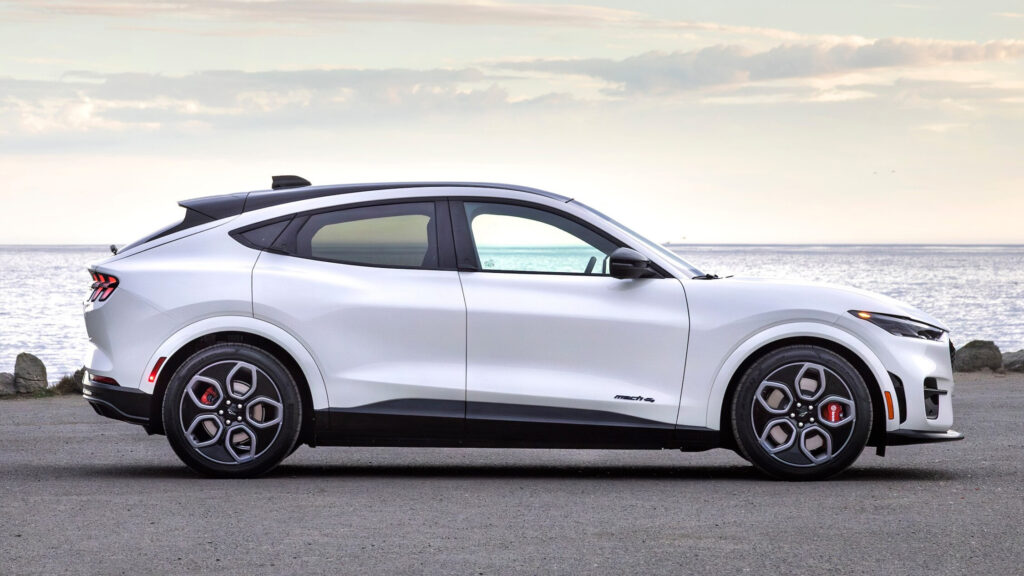
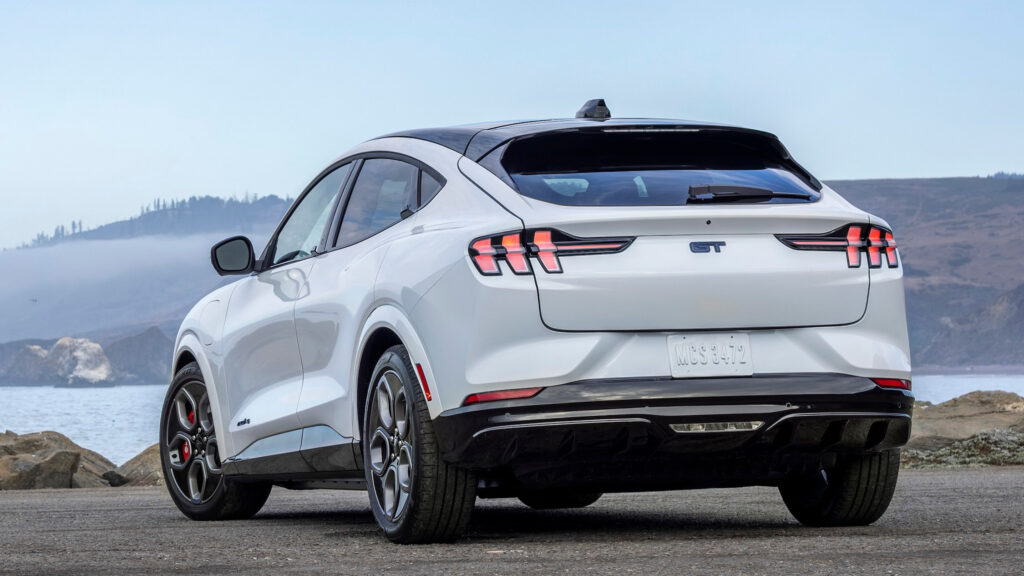
As reported by The Detroit News, California resident Jason Bullock filed a class-action lawsuit against the Dearborn-based automaker in Michigan federal court. Bullock claims he paid an inflated price for his Ford Mustang Mach-E, manufactured in Mexico, earlier this year because tariff costs were included in the manufacturer’s suggested retail price and delivery fees.
Supreme Court decision changes the game
Earlier this year, the U.S. Supreme Court struck down tariffs imposed under the International Emergency Economic Powers Act. While some tariffs on components and materials remain in effect, this SCOTUS ruling means companies that paid these duties are now entitled to significant refunds from the federal government.
Ford has already informed investors that it expects a one-time benefit of approximately $1.3 billion from the refund of tariffs paid between March 2025 and February 2026. According to the lawsuit, this is precisely why customers who bore these additional costs should also receive something back.
Double recovery argument
The complaint alleges that Ford should not be allowed to keep both the higher prices charged during the tariff period and the refunds received later. As stated in the document:
If Ford retains the tariff refunds while also keeping the tariff-related price increases paid by consumers, Ford will receive a double recovery and an unjust windfall.
Ford has not yet commented on the legal arguments but confirmed it is reviewing the case. Ford spokesperson Richard Binhammer told The Detroit Press:
We are reviewing the complaint. We have a lineup of affordable vehicles today, and we will continue to deliver on that commitment in ways that are right for customers and dealers.
Ford may not be the only target
This case could also draw attention because Ford is not the only automaker expecting tariff-related refunds. General Motors and Stellantis have also stated they anticipate receiving refunds, increasing the likelihood of similar legal challenges across the industry.
If the court agrees that the additional costs were passed on to buyers, automakers could face tariff-related payout obligations long after the tariffs themselves have disappeared.
This lawsuit could set a precedent for the entire U.S. automotive industry. If the court rules in favor of consumers, it would force manufacturers to reconsider their pricing policies during temporary trade restrictions. Furthermore, the case raises an important question about whether corporations are entitled to double benefits — first from higher customer prices and then from government refunds. In an environment where many automakers rely on global supply chains, similar legal disputes could become the new norm, especially following significant changes in trade policy.