 by
by China Reduces Tax Incentives for Electric Vehicles
The Chinese government plans to abolish tax incentives for some electric vehicles starting in January 2027. Currently, only three electric vehicle manufacturers in China are profitable: BYD, Xiaomi, and Leapmotor. Due to a decline in domestic sales, Chinese brands will be forced to increase car exports this year.
Although China remains the world’s largest market for new electric vehicles, sales have yet to reach previous highs. This decline is prompting local automakers to ramp up exports of their new models abroad.
Sales Drop in the First Half of the Year
Preliminary data from the China Passenger Car Association shows that in June, 1.04 million battery electric vehicles and plug-in hybrids were sold nationwide. This figure looks decent, but compared to last year, sales in June were 7% higher. The first-half performance is even worse: it fell by 13% to 4.73 million units by 2026.
Read: Electric vehicle sales in China fell nearly 20%, and Germany’s ‘Big Five’ shrank to 1.6%
Several factors are affecting demand. China’s economy remains unstable, many buyers are waiting for price reductions, and government support for electric vehicles continues to decline. According to the South China Morning Post, Beijing adjusted its subsidy policy earlier this year and began gradually eliminating tax incentives for electric vehicle manufacturers.
Tax Changes from 2027
Earlier this month, it was also confirmed that annual vehicle tax incentives for battery electric vehicles, plug-in hybrids, extended-range hybrids, and commercial fuel cell vehicles will be abolished from January 1, 2027. It should be noted that these tax incentives are small, typically saving buyers between 360 yuan ($53) and 660 yuan ($97) per year.
The Race for Profits Abroad
Currently, BYD, Xiaomi, and Leapmotor are the only three Chinese electric vehicle manufacturers that are profitable. According to AlixPartners, only four more companies may reach the break-even point by 2030, while many weaker firms are likely to go bankrupt or be acquired by larger brands.
As achieving profitability becomes increasingly difficult, automakers are focusing more on foreign markets. Analysts believe that Chinese brands could end 2026 with exports of approximately 10 million cars, a significant jump of 41% compared to the previous year.
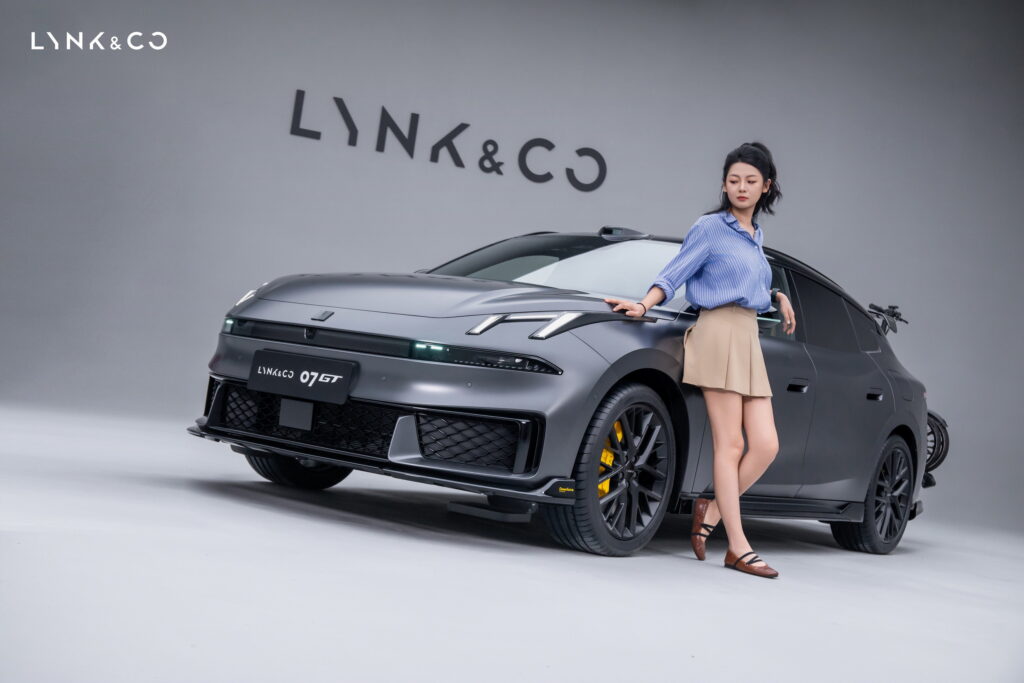
This trend of increasing exports could significantly impact the global automotive market, especially in Europe and other regions where Chinese brands are already actively competing with local manufacturers. The abolition of tax incentives, albeit minor, adds additional pressure to an already challenging situation for Chinese electric vehicle makers, forcing them to seek new markets and ways to improve efficiency. At the same time, market consolidation, where only a few players remain profitable, suggests that the industry is undergoing a period of serious transformation, which may lead to stronger and more resilient companies in the future.