 by
by Chevrolet’s Plans for the Next Five Years: A New Sports Sedan and Updated Models
General Motors is preparing strategic changes for its mass-market brand Chevrolet, adjusting production plans in line with actual market trends heading into 2030. According to rumors, the automaker plans to return to passenger car production by introducing a sports sedan with an internal combustion engine, which could be called the Camaro. This will be part of a series of updated gasoline models planned for the next five years.
New Sedan: A Possible Revival of a Legendary Name
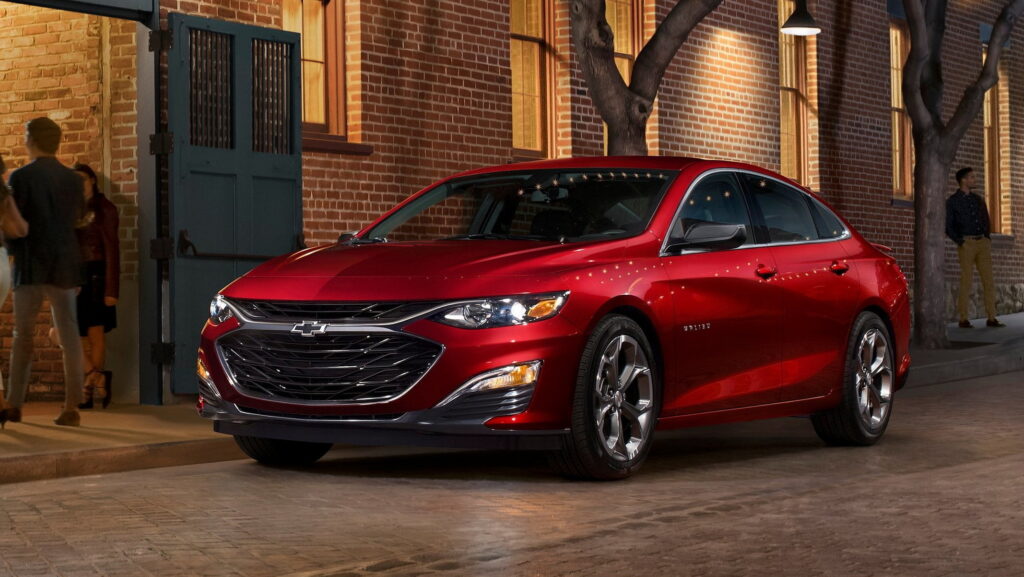
The new sedan is expected to debut in 2028. A final decision on the name has not yet been made, but a return of the iconic Camaro badge is not ruled out. This would make it a worthy competitor to the long-discussed Ford Mustang Mach-4, moving the muscle car rivalry into the four-door vehicle segment. Such a move would also serve as a spiritual successor to the Camaro and Malibu models, production of which ceased in 2024.
More on this: Chevy sold 206 units of the sedan that was discontinued two years ago.
According to Automotive News, the new Chevrolet will be based on a rear-wheel-drive platform shared with the upcoming Buick sedan and the next generation of the Cadillac CT5. Production will likely be set up at the GM Lansing Grand River Assembly plant in Michigan.
Analysts believe that releasing a sedan, even with modest sales forecasts, will help diversify the Chevrolet lineup, which currently consists largely of crossovers, SUVs, and pickups. Stephanie Brinley, associate director of AutoIntelligence at Mobility Global, noted that the new sedan could still “make a significant contribution” to the Chevrolet portfolio.
“The new sedan can still make a significant contribution to the Chevrolet portfolio.”
Shift in Priorities: Focus on Gasoline Models and EV Updates
Regarding the rest of the model range, Chevrolet has significantly scaled back plans for launching new electric vehicles by 2030. The reasons cited are slower-than-expected EV adoption and the expiration of federal tax incentives. Production of the affordable Bolt EV will end early next year to make way for a new ICE crossover in Kansas.
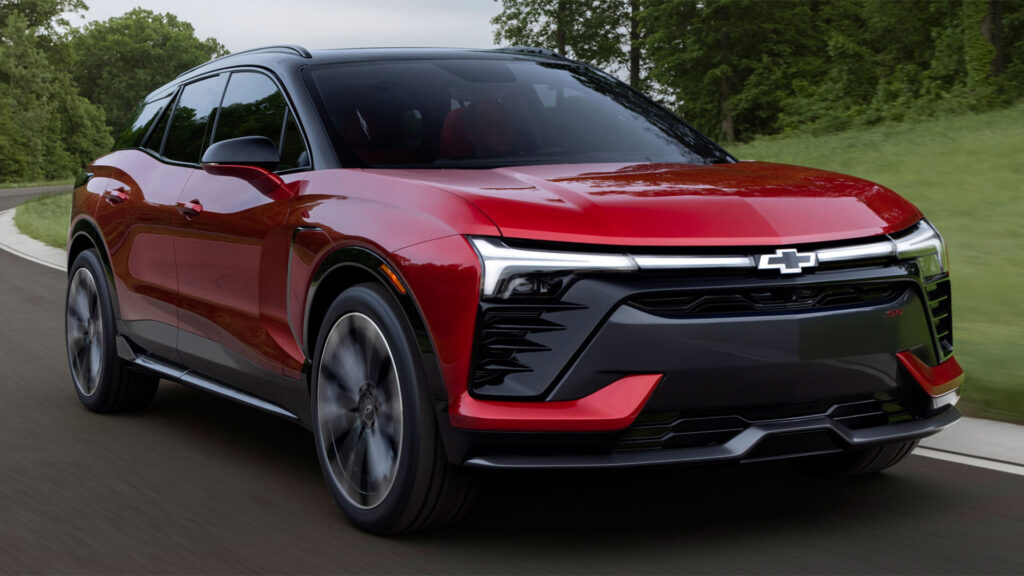
Nevertheless, the brand is not abandoning its current EV lineup. The Blazer EV is expected to receive a mid-cycle update in 2028, and the Equinox EV will undergo a redesign to keep them competitive. According to Automotive News, these two models helped GM become the second-largest EV seller in the US after Tesla. The Silverado EV will also continue its existence, benefiting from the recent discontinuation of its competitor, the Ford F-150 Lightning.
This approach extends beyond just EVs. Sam Fiorani, vice president of global vehicle forecasting at AutoForecast Solutions, commented on the situation.
“Chevrolet, like other brands, seeks to rely on existing products, using facelifts, new engines, and updated powertrains to keep them relevant through the end of this decade.”
Further Prospects: New Models and the Future of the Corvette
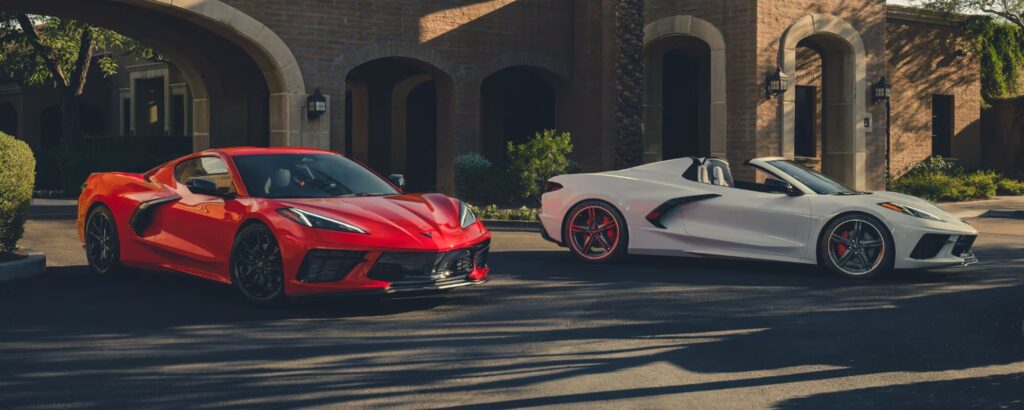
Aside from updates to existing models, the only new electric Chevrolet planned for this decade is a commercial van being developed jointly with Hyundai. Automotive News reports that plans for additional Chevrolet EV models through 2030 have been effectively put on hold. The company is prioritizing updates to its existing EVs rather than launching entirely new ones. Finally, the Corvette is expected to enter a new generation in 2029, a full decade after the current C8 debuted.
This strategy indicates a pragmatic approach by Chevrolet to a rapidly changing market. Instead of a forced transition to electric power, the company is choosing a balanced path, maintaining and updating popular gasoline models while gradually refining its EV lineup. The revival of the Camaro name on a four-door sedan could be a powerful marketing move that draws attention to the brand and fills the niche left by the discontinuation of the Malibu. At the same time, focusing on updating the Blazer EV and Equinox EV will allow GM to remain competitive in the EV segment without risking enormous investments in all-new models amid uncertain demand.