 by
by Six Vehicles Requiring a Full Engine Replacement
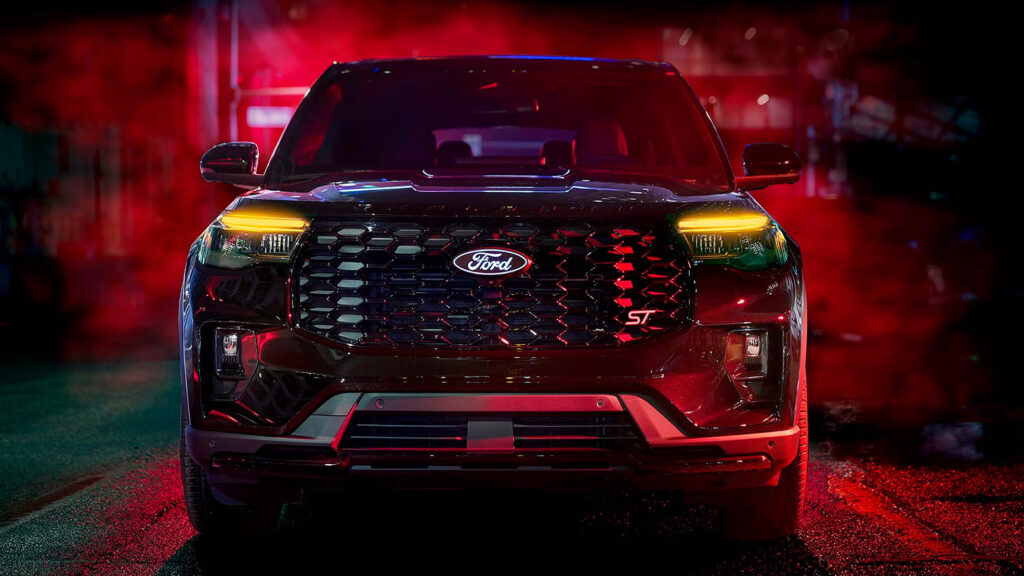
Ford is recalling only six examples of the 2026 Explorer, but this is not a case of a loose trim clip or a slightly glitchy screen. Each of these vehicles will need a completely new engine assembly. The affected SUVs were built between February 10 and 17, 2026, and under the hood they have Ford’s 2.3-liter four-cylinder engine. As stated in the recall documents, the connecting rod bearing inserts in these engines can seize, which could cause sudden engine failure, loss of drive, and even a hole in the engine block.
None of this promises anything good. Ford warns that such a malfunction could lead to a fire. Owners may hear knocking from the engine before a catastrophic failure occurs, but that is hardly reassuring. Even if a hole in the block does not appear, such a sound usually means a death sentence for the engine. The most interesting part here is how Ford found this problem in the first place.
More: Over 66,000 Ford Hybrids Recalled to Fix Previous Recall
How the Manufacturer Discovered the Hidden Defect
Ford’s engineering quality team found 10 engines replaced under warranty, and all had the same problem with the second cylinder. In each one, the connecting rod bearing inserts failed, and all these engines were assembled around the same 30-minute window at the Dearborn engine plant. Significantly, this happened shortly after the replacement of a polishing pad used during production. The polishing pad is a precisely profiled abrasive tool that finishes the bearing surfaces of the crankshaft, making them smooth, round, and compliant with extremely tight tolerances.

Plant data recorded a change in ovality measurements of the crankshaft connecting rod journals within this small batch. Ford has not yet determined exactly what caused this change in measurements, but it apparently saw enough reason to treat all six affected Explorers as a group with a 100 percent probability of defect. As of August 11, Ford knew of 11 warranty claims related to this issue; the first one came in on March 26. The company said it is not aware of any accidents or injuries caused by this defect.
What Will Be Done for Owners
Although only six vehicles are affected, the problem is serious. Ford plans to contact owners directly by phone where possible. Owner notification letters were already sent on August 24. All affected vehicles will receive a new engine assembly completely free of charge.

Photos: Ford
What This Means in Practice
This move by Ford looks unusual, since recalls usually involve a much larger number of vehicles. Here, however, the manufacturer seems to have decided not to take any risks: even if the defect could only affect these six examples, the potential consequences — from sudden loss of power to fire — are too serious to rely on luck. Owners should wait for a call from an official dealer and not put off a visit to the service center, especially if a strange knocking sound is already coming from the engine. The engine replacement is fully covered by the manufacturer, so there will be no additional costs.
This story also reminds us that even minor changes in the manufacturing process, such as replacing a polishing tool, can lead to defects that affect reliability and safety. The fact that Ford detected the problem through analysis of warranty replacements and plant data shows how important quality monitoring is at all stages of production.