 by
by US Congress lays the foundation for driverless trucks
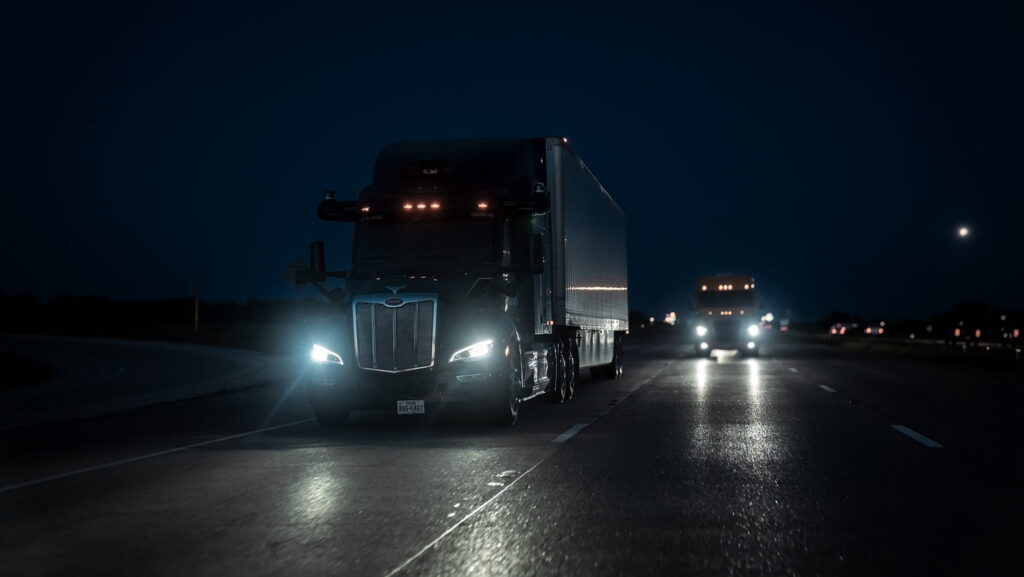
None of us like being stuck behind a pair of 18-wheelers slowly racing uphill while traffic jams stretch for miles behind them. For years, autonomous trucking companies have promised an AI-driven future where cargo is transported more efficiently, roads become safer, and human error plays a smaller role in accidents involving some of the largest vehicles on the road. This promise is now so close to becoming reality that it is making the transportation industry nervous.
This future may still be a few years away, but Washington has just taken a significant step toward it. A major transportation bill moving through Congress will create the first federal framework for autonomous commercial trucks. It establishes safety regulations, personnel training programs, and requirements for people who will remotely control these vehicles. While this will not lead to the immediate deployment of driverless truck fleets across America, it could help lay the groundwork for their future nationwide expansion.
Federal safety standards and job localization
As part of a broader five-year transportation bill, the legislation will require the Department of Transportation (DOT) to create national safety standards for self-driving commercial trucks operating between states. Before manufacturers can put trucks into service, they will need to confirm that these vehicles meet federal safety standards. The bill also requires remote workers to remain in the US. This applies not only to remote drivers. Dispatchers and remote assistants will also need to be located in the US or its territories.
The future of freight transportation
As artificial intelligence gets closer to taking the wheel from human drivers, the wave of concern over truckers losing their livelihoods is no longer hypothetical. To that end, the bill allocates $27.5 million to fund workforce development programs in fiscal year 2027. These funds can be used to help commercial drivers learn to operate, maintain, and work alongside automated driving systems. Apprenticeship programs and technician training also fall under this funding.
It is worth noting that nothing in the bill suggests it will accelerate the development or deployment of self-driving trucks. It simply outlines the standards they must meet to be put into service. Some companies are already testing them on public roads, but it will be several more years before we see self-driving trucks doing the job nationwide without at least a safety observer inside.
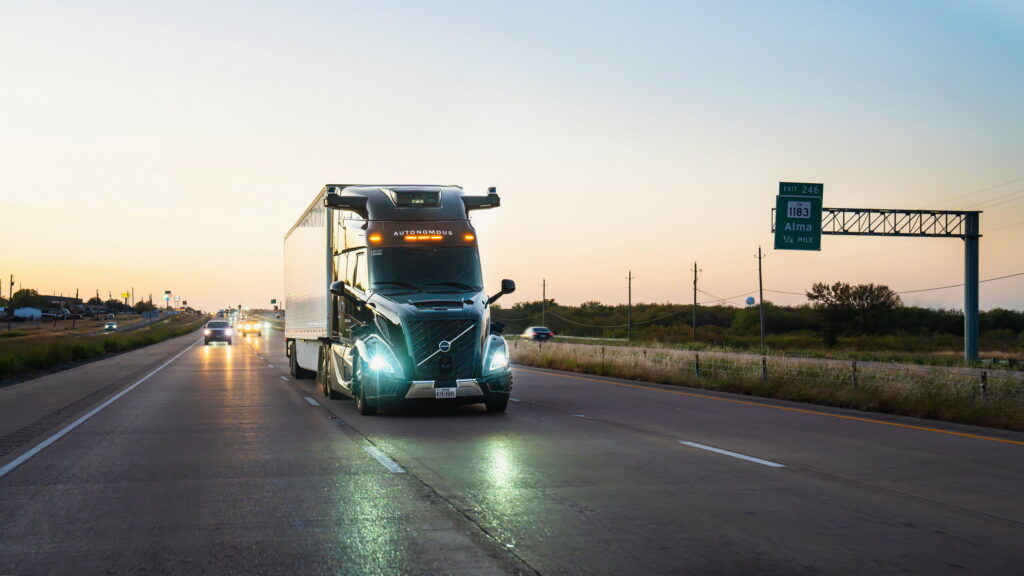
Photo: Aurora Innovation
Although the bill will not lead to the immediate appearance of driverless trucks on the roads, it is an important signal for the industry. It demonstrates that the government is serious about regulating this technology, not banning it. The allocation of $27.5 million for retraining drivers shows recognition of the social consequences of automation, but this amount may prove insufficient given that there are over 3.5 million professional truck drivers in the US. The key issue remains balancing technological progress, road safety, and job protection, and this bill is only the first step on a long road toward achieving that balance.