 by
by Toyota develops imitation of a manual transmission for electric vehicles
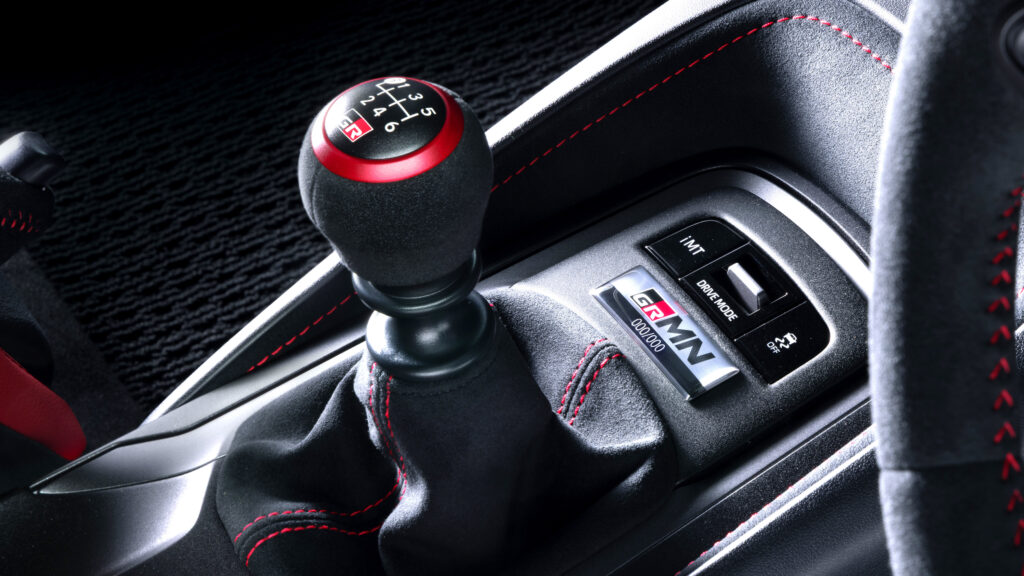
For decades, engineers have worked hard to make cars easier to drive, but Toyota and Lexus have wondered if it would be more fun if we gave up some of that progress. A recently discovered patent suggests that the automaker is continuing to develop a manual transmission imitation system for electric vehicles, which includes a clutch pedal and a gear shift lever. The technology will adapt to your skill level, making the task more difficult for experienced drivers, and can “stall” if you are not careful with the pedals.
Related: Hyundai patent for a manual transmission with “gates” looks like a Koenigsegg idea on an Elantra budget
Although there is no internal combustion engine that can be “killed” and no real gearbox to wear out, Toyota’s concept reproduces the experience of driving a manual with extraordinary thoroughness. Select the wrong gear, mishandle the clutch, or generally drive like a novice, and the car may respond by reducing engine torque and stopping, according to new patents.
Fake gearbox that takes itself seriously
Toyota has been experimenting with the idea of imitating a manual transmission for electric vehicles for several years. A prototype appeared in the Lexus UX300e back in 2022, combining a clutch pedal and lever with synthesized engine sounds to make the electric vehicle resemble a traditional sports car.
The latest patent, spotted by Carbuzz, suggests that the company has not abandoned this concept. In fact, it is becoming even more realistic. According to the document, the software will calculate the virtual engine speed and determine whether the selected gear is suitable for the situation. Too few “revolutions” when starting off — and your fake engine will “stall”.
Your manual driving skills under the microscope
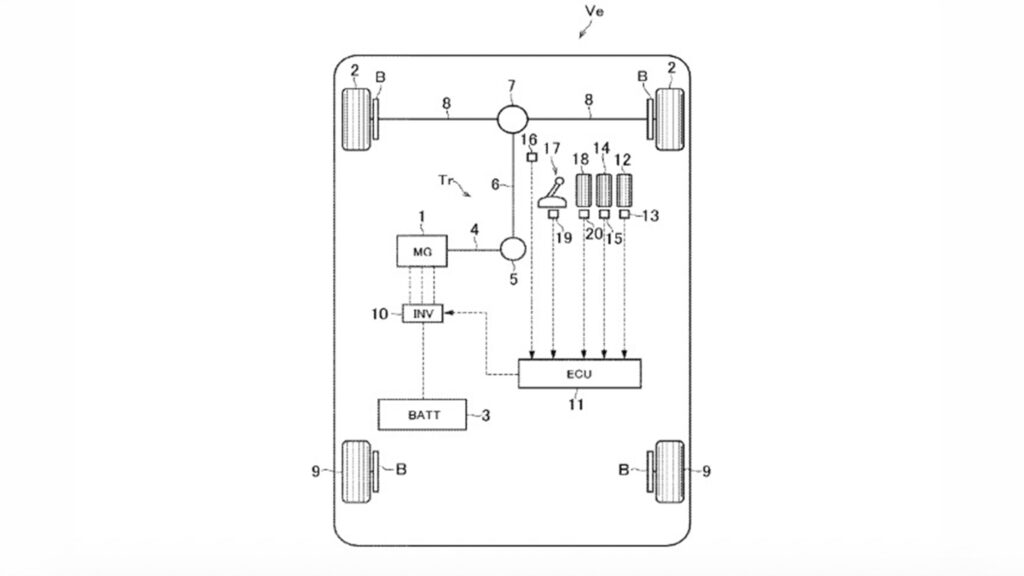
Toyota may also allow the system to assess your driving abilities. The patent describes technology that can determine whether the driver has experience with a manual transmission and adjust assistance functions accordingly. Beginners may automatically receive support when starting on a hill, while more experienced drivers will be left to their own devices. A launch control function is also part of the package, allowing drivers to “drop” the fake clutch for a more aggressive start.
Last year, Lexus Deputy Chief Engineer Yasuki Terada told Australian publication Drive that regulatory issues in some countries remain unresolved and are delaying the program. For example, in the UK and Japan, drivers who passed their test in an automatic car are not licensed to drive a manual. So, will they be able to drive a “fake” manual?
“If we offer this system, and it can be turned on and off, then which license category would such a car fall under?” — Terada pondered.
Whether Toyota will put this unusual idea into production remains unclear. But while some automakers are trying to make electric vehicles futuristic, Toyota aims to make them wonderfully old-fashioned. It seems to us that there is enormous potential in this idea. Toyota could offer enthusiasts additional features for a fee, for example, imitation of a non-synchronized gearbox that forces perfect rev-matching during downshifts without any assistance. Or allow “changing” gear ratios and the final drive to see which configuration best suits your favorite winding road.
Interestingly, such an approach could become not just a nostalgic gimmick, but also a way to attract new buyers who miss the feeling of complete control over the car. In a world where electric vehicles are often criticized for the “sterility” of driving, Toyota offers an emotional connection with the car, even if it is completely simulated. It could also be a smart marketing move to stand out in an oversaturated electric car market, where most brands focus on autonomy and technology rather than the pleasure of the driving process.