 by
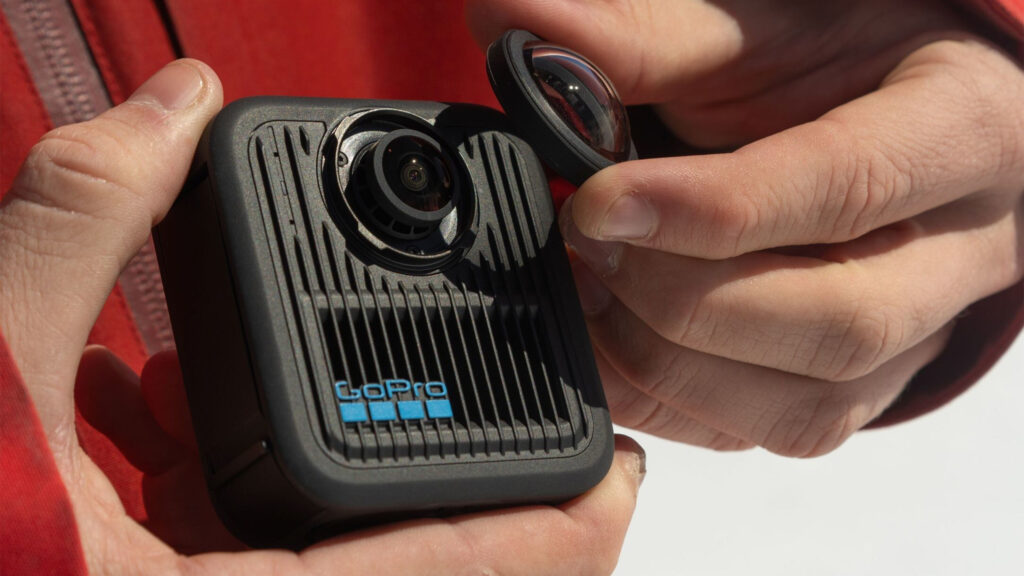
by A device that turned a whole generation of speed enthusiasts into amateur cinematographers may not survive until the end of the year. GoPro, a company specializing in action cameras founded in 2002, is on the verge of bankruptcy after several tough years and significant financial losses. For enthusiasts, this raises an uncomfortable question: where will they now get videos from track days and car adventures?
How GoPro lost its leadership
Over the past 15 years, the lion’s share of dynamic car videos you might have seen were filmed on GoPro cameras. They were renowned for their durability, excellent quality, and the best image stabilization. However, with the development of smartphone cameras and the emergence of competitors like DJI with its action cameras, GoPro lost its first-mover advantage and faced a cash shortage.
Financial problems and failed projects
Financial difficulties for GoPro are nothing new. In 2014, shortly after going public, the company’s shares soared to $93.85, and its market value reached $11 billion. However, a few years later, GoPro unsuccessfully launched the Karma drone, trying to compete with DJI. The project failed, and in January 2018 it was discontinued, forcing the brand to focus on its core business — action cameras.
Although GoPro devices remain excellent, the company’s revenue fell from over $1 billion in 2023 to $801.5 million in 2024 and $651.5 million in 2025. Last year, it lost $93.5 million, and as of December, it had only $49.7 million in cash. Currently, the company’s shares trade at just $1.14.
Threat of bankruptcy
In an 8-K report published this week, GoPro’s auditor, PricewaterhouseCoopers, expressed
“substantial doubt about the company’s ability to continue as a going concern.”
If GoPro cannot secure new financing, it
“may be forced to significantly reduce, restructure, cease operations, or seek protection under federal bankruptcy laws.”
Impact of AI chip prices
Not only are GoPro device sales falling, but costs are also rising. Due to extraordinary demand from data centers for artificial intelligence, a global shortage of memory chips has arisen, causing prices to rise. According to GoPro, in the last week of March alone, chip suppliers raised prices by 80-115 percent, reducing production.
The situation surrounding GoPro demonstrates how even established technology brands can become vulnerable in the face of market changes. On the one hand, growing competition from smartphones and other action camera manufacturers has gradually undermined the company’s position. On the other hand, an unexpected factor — the artificial intelligence boom, which caused a shortage and price increase of microchips — dealt an additional blow. This illustrates how global technology trends can unexpectedly impact seemingly unrelated industries. For automotive enthusiasts and content creators, this could mean searching for alternative solutions for filming, as GoPro has long been the standard in this niche.