 by
by Waymo suspends robotaxi operations in five US cities due to flooding issues
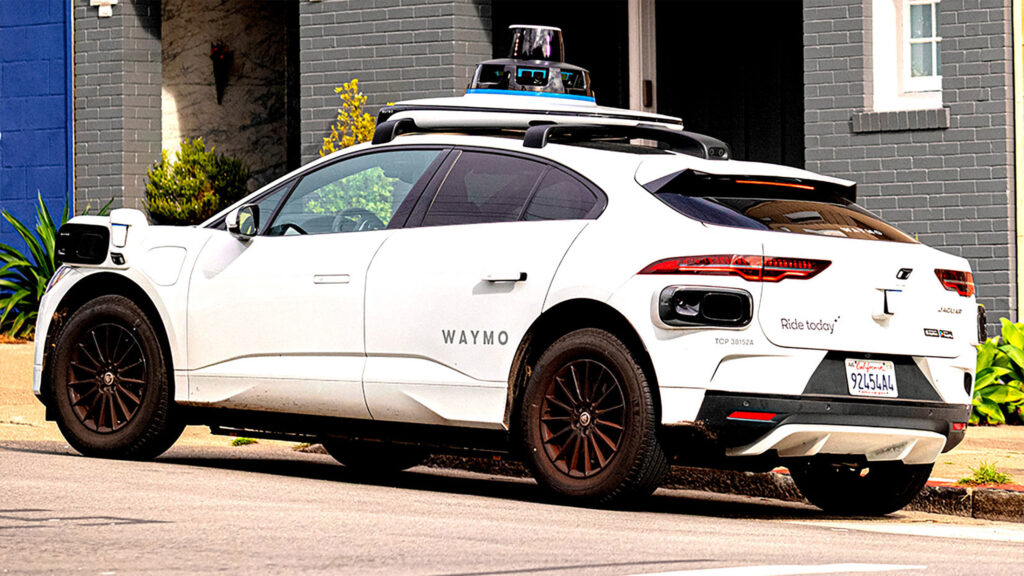
Waymo, the company owned by Alphabet, has temporarily suspended its robotaxi service in five major US cities. The reason is the inability of autonomous vehicles to correctly assess flooded road sections, leading to dangerous situations.
For a company building its reputation on the claim that machines see the road better than humans, consistently losing the battle with puddles is not a good look. The firm has paused operations in five US cities while it figures out why its robotaxis keep confusing flooded streets with drivable ones.
The flooding problem: from San Antonio to Atlanta
The issue with flooded roads first arose earlier this month when, on April 20, a Waymo robotaxi drove onto a flooded road in San Antonio, Texas, and was swept into a creek. Fortunately, no one was inside. This incident forced Waymo to recall nearly 3,800 robotaxis to correct algorithms for operating in such conditions.
Incident in Atlanta
While the company was working on the fix, another of its vehicles got stuck in floodwaters after a heavy downpour in Atlanta, Georgia, earlier this week. According to 10News, the electric vehicle was stranded for about an hour until the water receded, after which a human driver was able to take the wheel.
After the Texas incident, Waymo suspended operations in San Antonio, and the ban has now extended to Austin, Atlanta, Dallas, and Houston. This is partly related to the severe weather that has hit Texas this week.
In a comment to TechCrunch, Waymo representatives stated that the company uses National Weather Service warnings to prepare its vehicles for challenging weather conditions. However, in the case of the sudden flood in Atlanta, the storm caused such an amount of rainfall in a short period that the robotaxi got stuck before any warning was issued.
As part of the recall announced last week, Waymo reported the implementation of operational restrictions in areas at increased risk of flooding on highways. The company also added that work on a “permanent fix” is still ongoing.
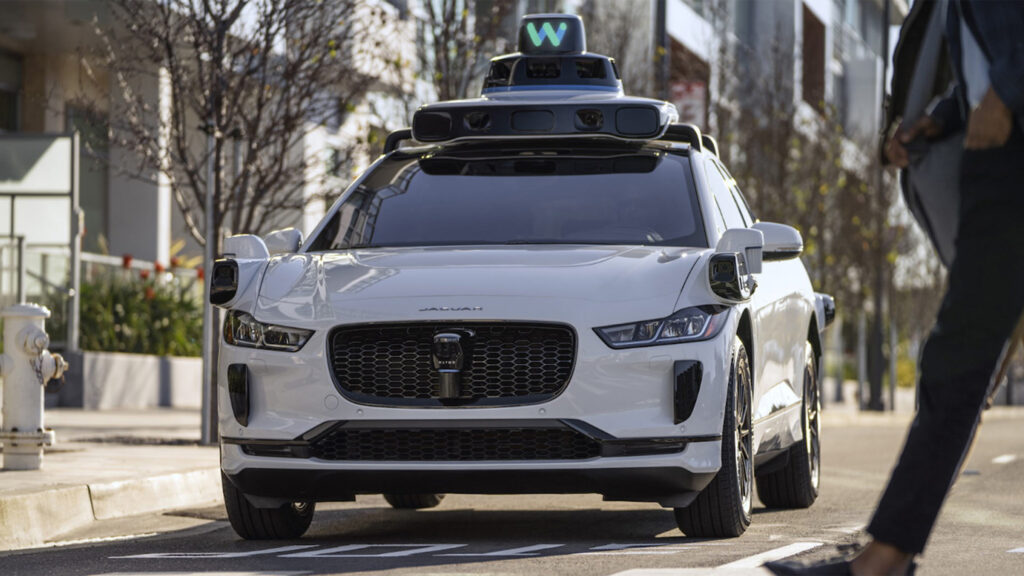
This series of incidents highlights that even the most advanced autonomous driving systems face serious challenges in real-world conditions. Weather phenomena, such as sudden floods, remain difficult for algorithms to predict, which may require Waymo not only technical updates but also a revision of its operational strategy in regions with unstable climates. While competitors watch, Alphabet will have to prove that its technology can adapt to the unpredictability of nature, not just to ideal road conditions.