 by
by A Tough Start for BYD in the Japanese Market
The share of electric vehicles in Japan’s new car market does not even reach 2%, yet this did not stop the Chinese giant BYD, which last year introduced a compact electric kei-car, hoping to establish itself in the local market. However, the company has now suffered a serious blow.
It has become known that the Japanese government has more than halved state subsidies for BYD, lowering them to just 150,000 yen (about $936). Prior to this change, the level of support for BYD models ranged from 350,000 ($2,000) to 400,000 yen ($2,500).
The Reason for the Subsidy Changes
The reason is quite simple. Japan is adjusting its electric vehicle subsidy program in favor of vehicles that use domestically manufactured battery packs. Obviously, BYD cars are equipped with batteries made in China. Thus, this step looks more like a measure to protect the Japanese automotive industry from the rapidly developing Chinese brand. BYD entered the top six largest automakers in the world last year.
Benefits for Japanese and Other Brands
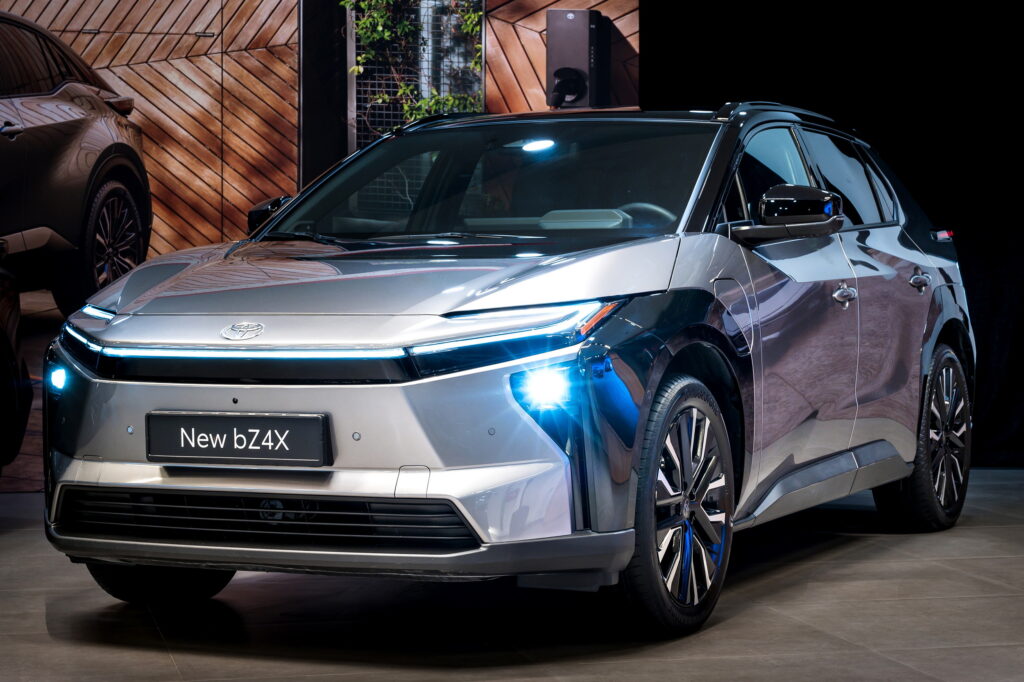
Under the changes to the subsidy program, the Toyota bZ4X will continue to receive the highest possible support of 1.3 million yen ($8,100). The Nissan Ariya previously had a subsidy of 1.29 million yen ($8,075), although from 2027 it will be reduced to 1 million yen ($6,200).
Interestingly, generous state aid is received not only by Japanese brands. Earlier this month, subsidies for Tesla were increased by 400,000 yen, reaching 1.27 million yen ($7,900), likely due to the use of Panasonic batteries. Audi also recently received an increase in subsidies of 320,000 yen ($2,000), to over 1 million yen ($6,200) for its electric vehicles. Similarly, subsidies for some Hyundai electric vehicles were raised this month.
Temporary Nature of Benefits and BYD’s Reaction
As Nikkei Asia notes, not all of these subsidy increases will remain in effect. From January next year, subsidies for brands such as Audi and Hyundai will be reduced, although the exact scale of the reductions is not yet clear. Even before the latest round of cuts, BYD’s management in Japan stated its disadvantageous position.
We are in an absolutely disadvantageous position. The gap [with companies like Toyota Motor] has grown to almost 1 million yen. We cannot compete with only 350,000 yen.
These words belong to the head of BYD’s Japanese subsidiary, Atsuki Tofukuji.

This situation vividly illustrates how national industrial policy can shape the competitive environment even in a technologically advanced market like the automotive one. Changes in subsidy rules, which are clearly aimed at supporting domestic production of critical components, present international players with a choice: localize production or accept less favorable playing conditions. For BYD, which is betting on global expansion, the Japanese case may become a precedent that the company will have to face in other regions where the protection of national interests begins to take priority over the principles of free competition. The success of the Chinese manufacturer’s future strategy will largely depend on its flexibility and ability to adapt to such regulatory challenges.