 by
by New Record for California’s Gas Tax
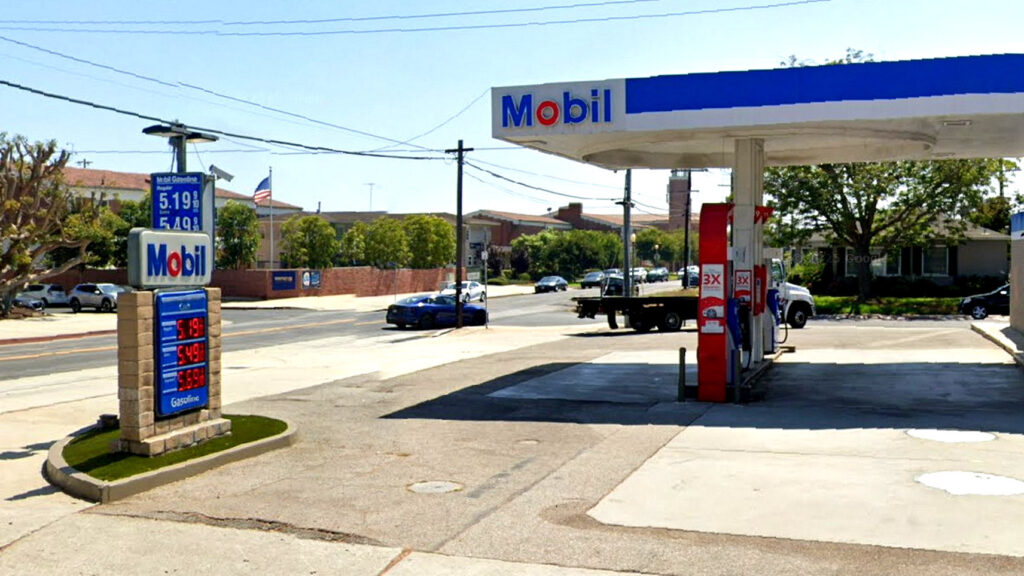
The cost of living is constantly rising, but in California, the situation is reaching another level. State residents will get another reminder of this starting July 1. That is when the excise tax on gasoline will increase by 2.2 cents per gallon, reaching 63.4 cents per gallon — the highest rate among all U.S. states.
How Quickly the Tax Has Increased
This is notable in itself, but what is even more striking is how fast the tax has grown. Less than ten years ago, the gasoline tax in California was 27.8 cents per gallon. Now it has more than doubled, and this increase is enshrined in law.
The Self-Increasing Tax
The latest adjustment is linked to Senate Bill No. 1, a transportation funding package from 2017 that automatically raises fuel taxes every year. Republican lawmakers are using this increase as evidence that Sacramento is making life more expensive for drivers, while supporters argue that this money is necessary for maintaining roads, bridges, and transportation infrastructure.
Additional Costs for Drivers
As Contra Costa News notes, the gasoline tax is just one part of the problem. California drivers also pay state and local sales taxes on fuel, costs from the cap-and-trade program, expenses for complying with low-carbon fuel standards, and fees for underground storage tanks. Depending on how these costs are calculated, state taxes, fees, and mandates add approximately $1.20 to every gallon sold.
Electric vehicle owners also contribute to road funding through an annual registration fee to the Department of Motor Vehicles, rather than paying fuel taxes at the pump.
Collecting More While Selling Less
What is particularly interesting is that the state is collecting these taxes even as gasoline consumption continues to fall. According to transportation officials cited by KSBY, annual gasoline consumption has dropped from approximately 13.5 billion gallons to 11.5 billion gallons in just the last few years, as more Californians switch to electric vehicles.
This creates a growing problem for planners who still need money for roads, but are increasingly reliant on shrinking volumes of gasoline sales.
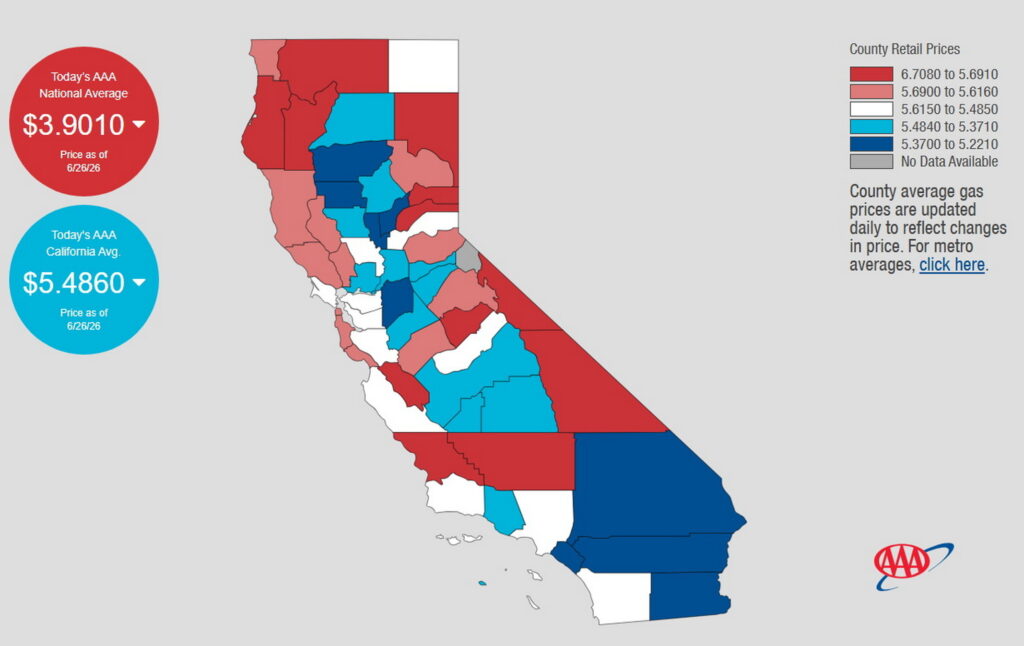
Prices at the pump in California are also shaped by the state’s weak connection to the national pipeline network, where recent refinery closures have increased reliance on gasoline delivered by trucks and ships. The state’s own funding schedules show just how large this system has become.
California expects approximately $20.3 billion in transportation-related taxes and fees in the 2025-2026 fiscal year. It is hard to imagine that such an amount of money is insufficient when fuel prices are still higher than anywhere else in the U.S.
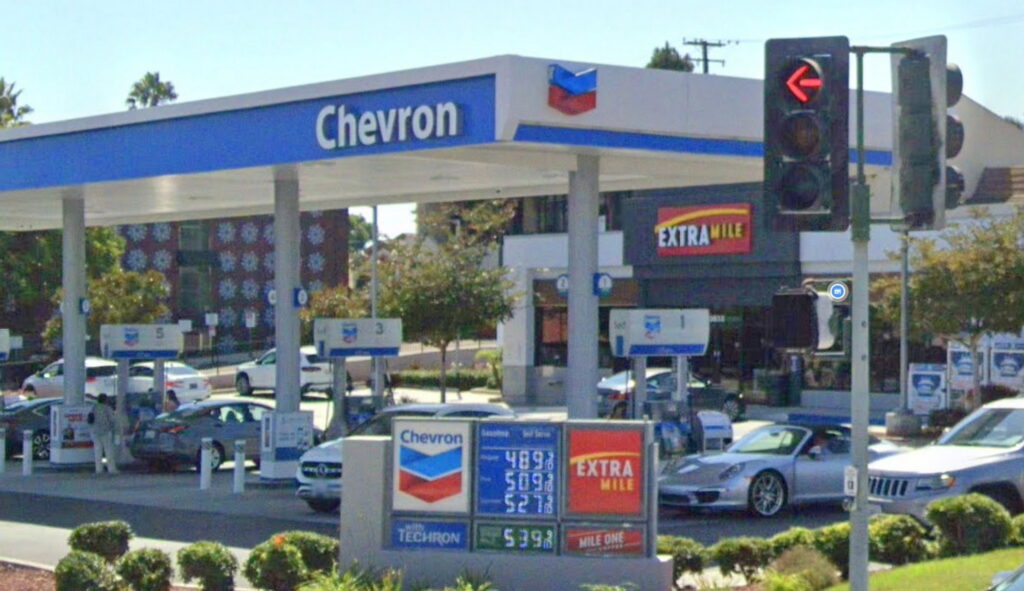
Photo: Google Maps
The situation with fuel taxes in California demonstrates a complex balance between the need for infrastructure funding and environmental goals. On one hand, automatic tax increases ensure a steady flow of revenue, but on the other hand, decreasing gasoline consumption due to the shift to electric vehicles casts doubt on the long-term sustainability of this model. This could lead to the search for alternative funding sources, such as increasing fees for electric vehicle owners or implementing a mileage tax, which is already being discussed in other states. Thus, California is becoming a kind of testing ground for new approaches to transportation taxation in the era of decarbonization.