 by
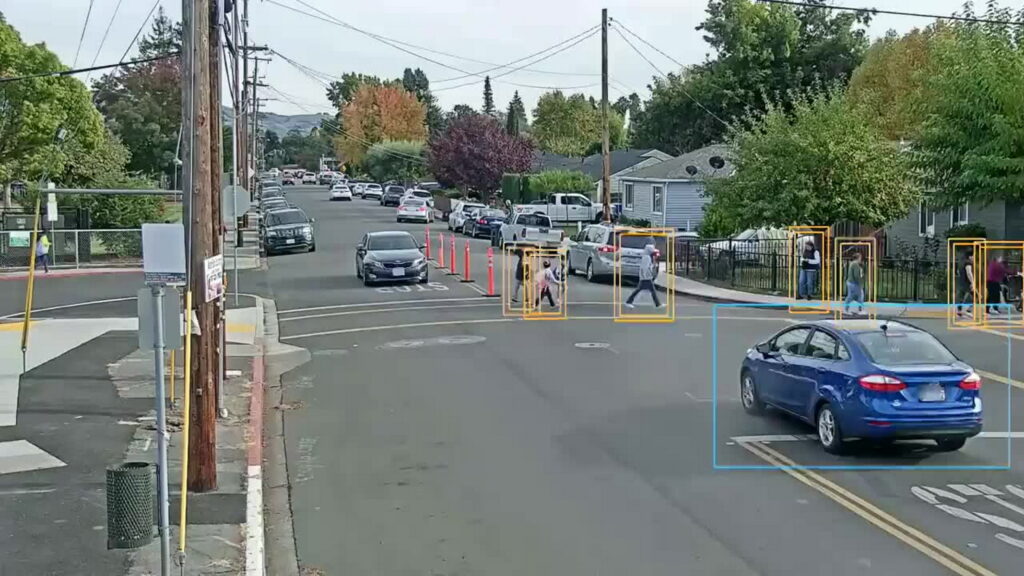
by In Virginia, a state with some of the strictest speeding laws, drivers now need to be even more cautious. Failing to yield to a pedestrian at a crosswalk or running a stop sign without stopping could not only endanger people but also result in a fine arriving by mail, thanks to a system of cameras with artificial intelligence.
Starting July 1, a new law takes effect allowing communities across the state to implement automated enforcement to improve safety in school zones and other designated areas. The technology promises to reduce dangerous situations between cars and pedestrians. At the same time, it raises new questions about privacy, surveillance, and the limits of automated enforcement.
What the New Law Actually Entails
The state has long allowed automated traffic enforcement, but until now it only applied to speed cameras. Senate Bill 84, initiated by state Senator Angelia Williams Graves, expands the use of automated enforcement in Virginia. Importantly, local authorities and law enforcement must conduct public information and warning periods before issuing fines.
The cameras, some of which are powered by Obivo technology, will capture images of violators and then forward them to law enforcement for review before the fine is sent by mail. According to 13 News Now, the cameras will automatically blur faces to protect privacy.
A Fine That Won’t Affect Your Driving Rights
Supporters reasonably argue that the technology will enhance overall safety. Graves shared her own experience, noting she has seen many drivers running stop signs without stopping. Importantly, the fines are civil penalties, so theoretically, drivers could accumulate hundreds of fines and still keep their licenses.
At the same time, Virginia lawmakers included a range of safeguards. The law requires special signage, reporting, data retention limits, equipment calibration standards, and public disclosure measures. Any failure to comply with these requirements could render a fine invalid and subject to dismissal in court.
Whether Cameras Appear in Your City Is Up to Local Authorities
Critically, the law does not mandate any city, county, or town to install these systems. Implementation remains entirely voluntary and must be approved at the local level. Residents who support the technology can encourage local leaders to adopt it, while those opposed can lobby for restrictions or bans, participate in public hearings, or vote against proposals and officials who support camera enforcement programs.
This move by Virginia is part of a broader trend of adopting technology to improve road safety, but it also sparks debates about the balance between safety and privacy. While automated systems can reduce violations and protect pedestrians, questions of surveillance and potential errors remain relevant. Local control over implementation gives communities the ability to tailor the law to their needs, but it also creates uneven application of rules across the state. Over time, it will become clear whether the cameras live up to safety expectations or spark new controversies.