 by
by US bill could block Mercedes sales despite American production
Mercedes-Benz could find itself at the epicenter of Washington’s policy aimed at limiting Chinese influence in the American automotive industry. A proposed bill being pushed through Congress seeks to restrict activities of automakers connected to foreign adversaries, and Mercedes may become one of the most high-profile unintended targets.
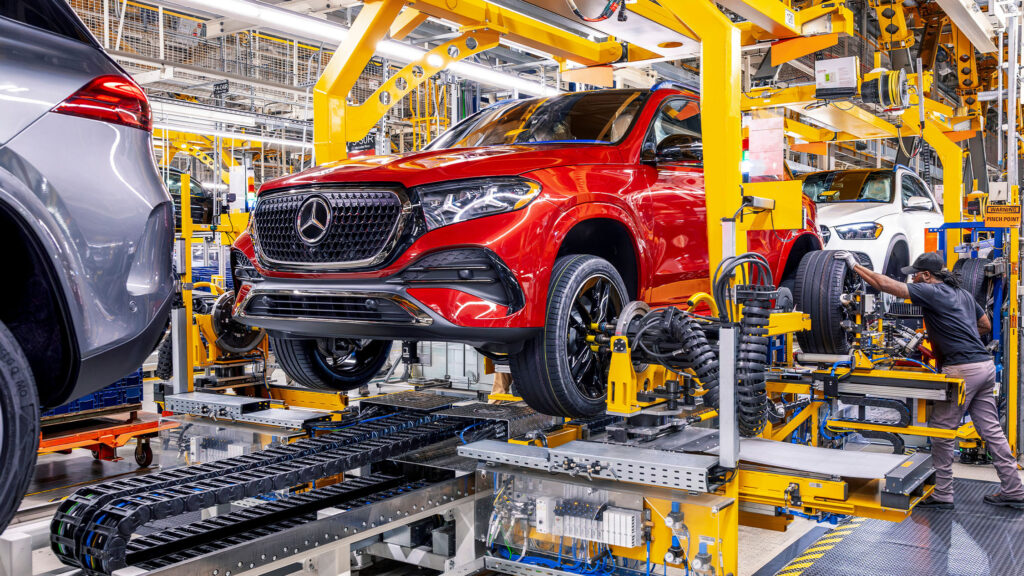
The issue is not where Mercedes produces cars. The company has been assembling vehicles in Alabama for decades and also has a van plant in South Carolina. Instead, the concern lies in who owns stakes in the company.
Related: Trump administration tried to force Mercedes to move to America
Chinese shareholders and their stakes
One of Mercedes’ largest shareholders is Chinese state-owned automaker BAIC, which holds nearly 10 percent of the company. Another major shareholder is Geely Chairman Li Shufu, whose stake also amounts to nearly 10 percent. Together, these shareholdings account for approximately 19.7 percent of Mercedes’ stock.
Five years ago, this would not have been a problem. However, the proposed Modernization of Motor Vehicles Act contains language targeting companies with ties to governments considered foreign adversaries, CNBC reports. China is among the countries covered by the law.
Depending on how lawmakers interpret the bill, Mercedes could potentially fall under its scope, despite being a German brand with significant production in the United States. Benz employs about 10,000 people nationwide, recently celebrated the production of its 5-millionth car in the US, and is moving GLC production to America.
Exceptions do not apply
The legislation includes exceptions for automakers that have produced cars in America for many years. However, one section appears to revoke this protection if the company has direct or indirect ownership linked to a foreign adversary government. This is where BAIC’s involvement raises questions.
Mercedes is not panicking, at least publicly. CEO Ola Källenius recently suggested the company could address ownership issues if necessary and expressed confidence that any problems could be resolved without serious consequences. The automaker has also stated it is working with policymakers to better understand the proposal and ensure its US operations are not affected.
Scope and outlook
The stakes are significant. Last year, Mercedes sold over 300,000 passenger cars in the US and has ambitions to substantially increase that figure. A sales ban remains far from reality, and the bill could change substantially before becoming law. But this whole story serves as a reminder of how complex and interconnected the modern automotive industry is.
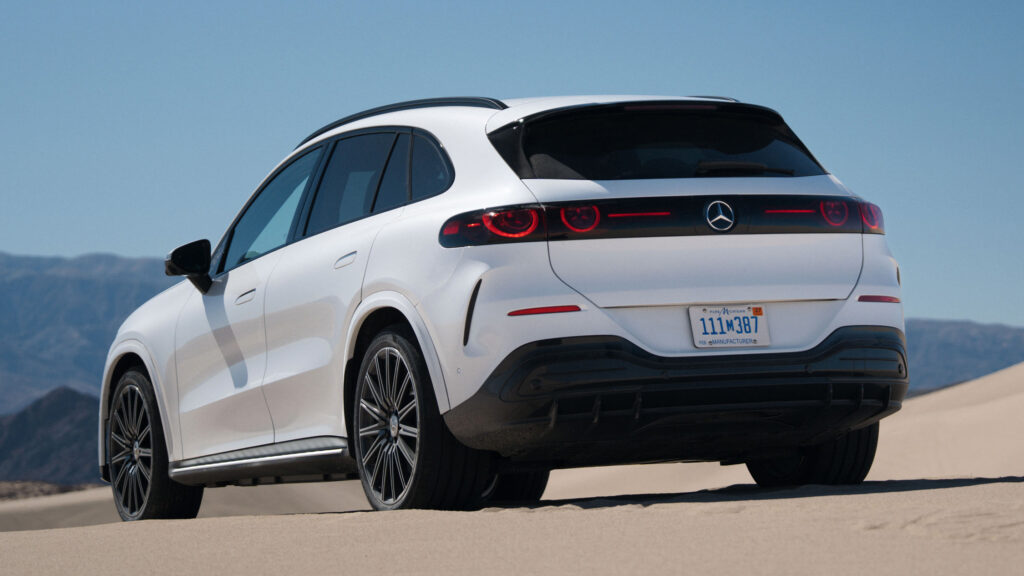
Mercedes-Benz
The situation surrounding Mercedes demonstrates how geopolitical decisions can have unexpected consequences for global companies, even those with deep roots in the American economy. Although the bill primarily targets direct Chinese manufacturers like BYD, its vague wording could also affect European brands with Chinese capital stakes. This underscores that in the modern world, ownership and production chains are so intertwined that any attempt at isolation can lead to unforeseen side effects. For Mercedes, the key will be not only lobbying but also the ability to prove that its operations in the US are strategically important and independent of Beijing’s policy.