 by
by A Record July for Tesla in Korea
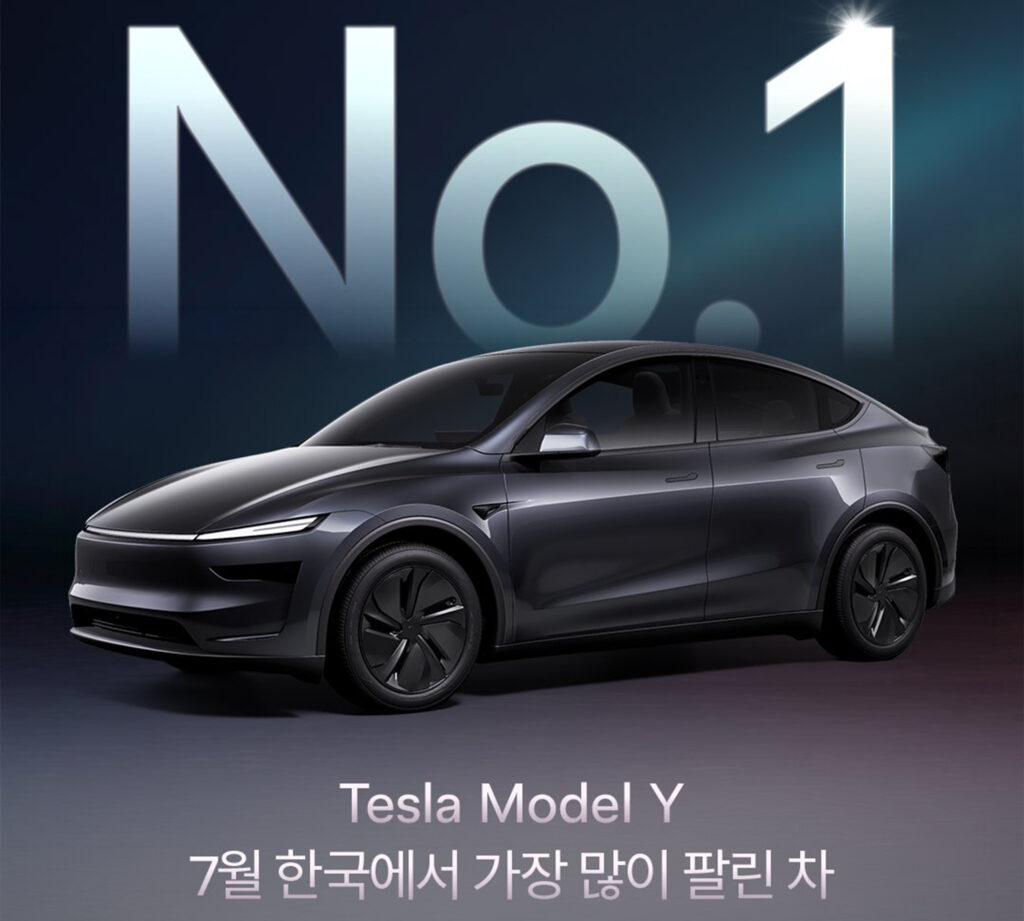
Chinese brands are aggressively increasing EV sales in almost every market, but South Korea seems to follow its own rules. Tesla is experiencing a real surge there: the Model Y became the best-selling new car in the country, beating not only other imported models but also all local sedans, crossovers, and hatchbacks. That is an impressive result for a market where buyers have traditionally treated imported cars as a niche luxury.
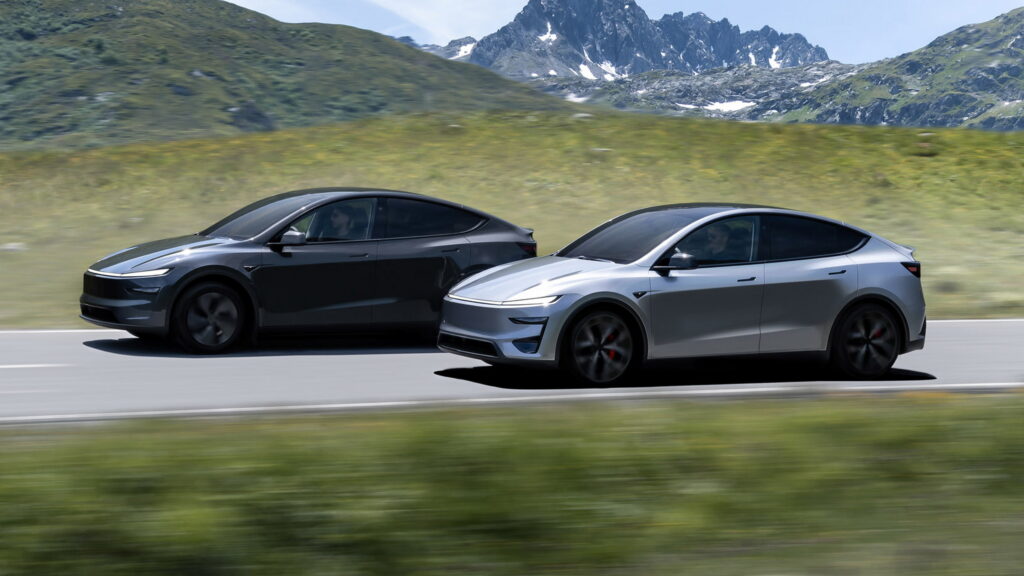
Tesla has already sold more than 10,000 cars in Korea for five consecutive months. In July, the company sold 10,237 vehicles — slightly fewer than the 11,119 in June, but still enough to give it a 33.1% share of the imported car market. BMW finished second with 6,533 cars, and Mercedes-Benz third with 3,959. The two German giants together barely edged past Tesla, which by itself sold more than both of them combined.
Model Y — The Main Sales Driver
As in other markets, the Model Y accounts for the bulk of Tesla’s sales. In July, 8,705 of these crossovers were delivered, allowing the model to overtake the Hyundai Grandeur and become the most popular new car of the month. The Grandeur sold 8,532 units over the same period. The Model Y Premium was the most in demand with 6,612 sales, while 2,092 buyers chose the Model Y Premium Long Range.
First Seven Months of 2026: Impressive Growth
Tesla has been showing extraordinary results in South Korea since the start of the year. Over seven months, sales reached 66,376 units, up 149.8% from the same period last year. Of those, 52,064 were Model Ys and another 10,392 were Model 3s.
In general, Koreans prefer local brands, so the country’s roads are mostly filled with Hyundai and Kia models. However, the Tesla Model 3 and Model Y prove that local buyers are willing to choose new and attractive cars from foreign brands. For comparison, the second most popular imported model since the beginning of the year remains the BMW 5-Series with 13,756 cars sold, which is far behind the Model Y.
Imported Brand Sales in South Korea in July 2026
- Tesla — 10,237
- BMW — 6,533
- Mercedes-Benz — 3,959
- BYD — 2,846
- Lexus — 1,474
- Toyota — 1,340
- Volvo — 958
- Audi — 935
- Porsche — 635
- Mini — 632
- Volkswagen — 471
- Land Rover — 308
- Polestar — 248
- Jeep — 73
- Lamborghini — 61
- Cadillac — 42
- GMC — 41
- Lincoln — 39
- Bentley — 36
- Peugeot — 35
- Ford — 32
- Ferrari — 18
- Rolls-Royce — 12
- Honda — 11
Source: EV Wire, KAIDA
What’s Behind Tesla’s Success in Korea
Despite Koreans’ general tendency to buy locally produced cars, the Model Y’s success shows that even in such a specific market there is room for a strong foreign player. Tesla is not merely outpacing other imported brands; it is actually changing the structure of demand by attracting buyers who had never even considered electric vehicles before.
It is also worth noting that BYD finished fourth among imported brands. That indicates Chinese manufacturers are gradually strengthening their positions even in a conservative market like South Korea’s. Nevertheless, it was Tesla that managed to become the absolute leader of the month, and this will likely push other premium brands to compete more aggressively for Korean buyers.
This result can also be explained by Tesla’s active pricing strategy and the overall growing popularity of electric vehicles. The Korean market is gradually opening up to new technologies, and the American manufacturer currently looks like the main beneficiary of these changes.