by
by 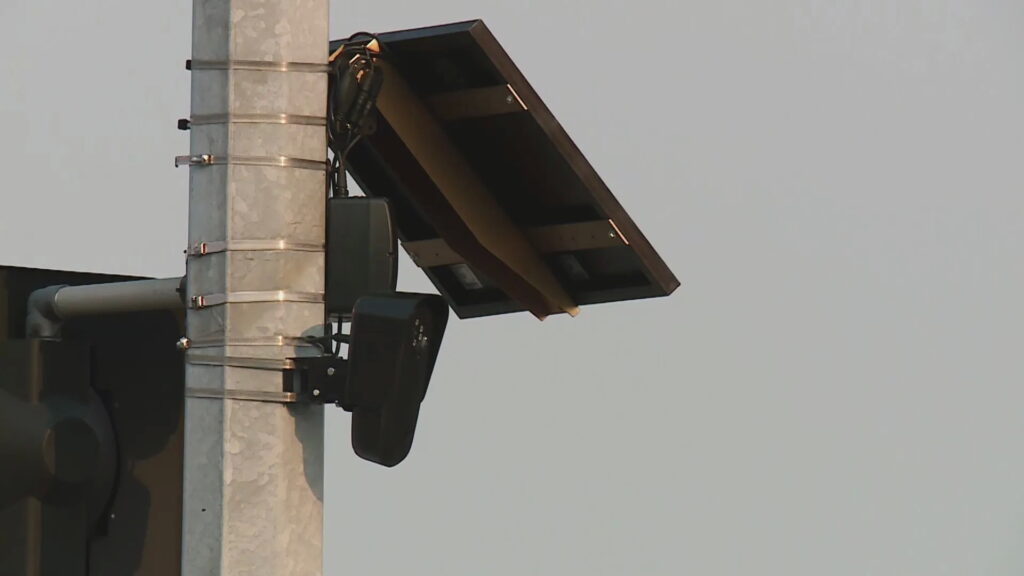
Automated license-plate readers are supposed to be an investigative lead, not the whole case. But one Iowa sheriff’s office has reportedly taken that idea a few steps further. According to a new report, it’s instructing deputies not to tell drivers when Flock cameras helped locate them and, whenever possible, not to put it in writing either. That is a pretty uncomfortable line for a surveillance network built around public roads.
A Wapello County Sheriff’s Office policy obtained by 404 Media states: “DO NOT MENTION ALPR USAGE TO THE OCCUPANTS OF THE VEHICLE” and “DO NOT MENTION ALPR USAGE IN YOUR REPORT OR COMPLAINT UNLESS ABSOLUTELY NECESSARY.”
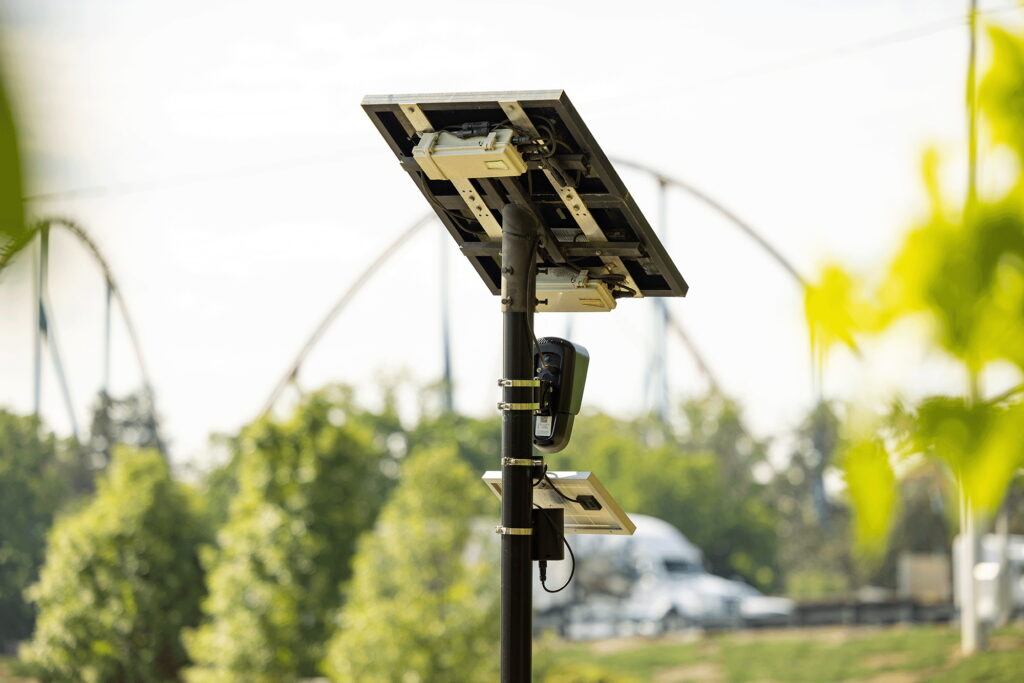
The county, whose largest city is Ottumwa, has just four Flock Safety cameras under a contract signed in late 2024. For whatever reason, it still thought this was a good policy to put into place.
Read: Cops Draw Guns On Arkansas Family After ALPR Camera Flags Wrong Plate
If a deputy must explain how a vehicle was located, the November 2025 policy recommends wording such as, “Using county resources, I discovered the suspect vehicle was bearing an Iowa plate.” It also instructs officers to treat ALPR data like intelligence. In other words, a lead to be verified through conventional police databases before action is taken.
The Sheriff’s Defense
Sheriff Don Phillips defended that approach to 404 Media, saying deputies confirm the plate and any associated warrant, stolen-vehicle report, or missing-person record before acting. If true, that’s certainly more than some departments do. In his view, disclosing the camera system would reveal investigative methods that criminals could try to evade.

Importantly, there’s a good argument for verification. ALPR systems can and do misread plates. But there’s a meaningful difference between protecting a source during an active investigation and deliberately obscuring the fact that a person was found through a searchable surveillance network. That distinction matters because Flock’s reach is no longer theoretical.
The company’s cameras now sit in thousands of communities, producing databases that can reveal where a vehicle has been and, by extension, a surprising amount about its owner’s daily life. Police departments have also faced criticism over loose access controls, misuse by authorized users, false alerts, and enormous volumes of hits that can overwhelm officers.
The Safeguards That Aren’t
Flock regularly pitches auditing, governance, and transparency tools as safeguards. A policy telling deputies to avoid naming the system in reports shows how little those promises mean when the agency using it prefers the public never know it was involved.
Of course, once it’s in the hands of police, it routinely shirks responsibility, saying that it’s up to officers to decide how to use the system. Maybe the simplest solution isn’t chasing down who is responsible. If there aren’t any cameras to misuse or abuse, nobody has to be on the hook in the first place.