
 by
by Automakers warn that a California law could stop new car sales from July 1. But it’s unlikely to happen
If you read only the headlines, you might think California dealerships will face a crisis of empty showrooms on July 1. That’s when, according to automakers, a new state law could force them to stop selling cars. In reality, the likelihood of this is minimal. A much more interesting question is why so many connected cars were created without simple ways for drivers to stop transmitting their location?
The industry already meets key protection requirements
The warning comes from the Alliance for Automotive Innovation, a lobbying group representing nearly all major automakers selling cars in America. The group is urging lawmakers and Governor Gavin Newsom to quickly pass bill SB 719, which would delay parts of California’s domestic violence survivor protection law, known as SB 1394.
Importantly, one part is not in dispute. Automakers have already complied with the requirement that victims can submit documents, and another person’s access to the car’s connected services will be terminated within two business days. This process is already in place. Instead, the dispute revolves around the requirement that cars offer a way to disable location tracking directly from the passenger compartment.
“Changes related to connected services must be designed and tested to ensure they do not interfere with GPS operation, anti-theft systems, emergency services, advanced driver assistance systems, or other vehicle functions,” the group writes.
It wants to move the deadline to July 1, 2027, for older cars and to 2031 for “all vehicles.” According to the group, these dates will give automakers the necessary time to implement the changes.

On one hand, the industry has a point. Upgrading millions of existing cars is not as simple as installing a software update. Different vehicles use different hardware, software, telematics systems, and connected service architectures. Adding new functionality without disrupting navigation, stolen vehicle tracking, or the systems mentioned above is a genuine engineering challenge.
The real fight is over tracking existing cars
However, the bill does not simply require a later deadline. It also removes protections that would notify a person inside the vehicle when someone outside gains access to its connected services or location information. Moreover, automakers are not innocent observers here.
For years, these same automakers have invested heavily in systems that collected location and vehicle data because these systems created value for the companies. Privacy controls often lagged behind. Now, the industry claims it is difficult to add these controls retroactively because the systems were never designed with them in mind.
As for the threat to freeze sales in California? Expect lawmakers, regulators, automakers, or some combination of all three to find a solution long before the state’s dealerships start gathering dust.
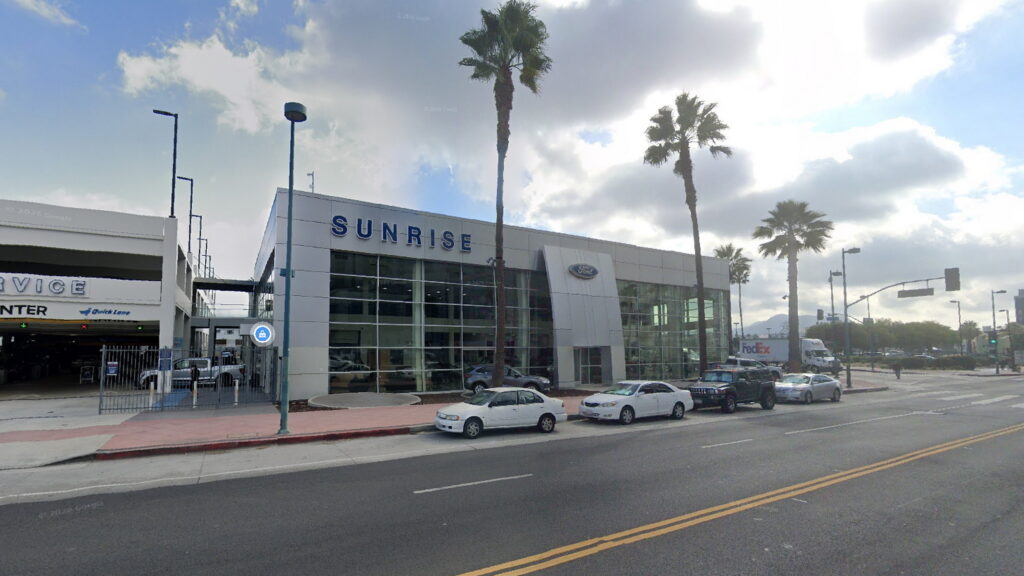
Photo: Google Maps
The situation surrounding California’s SB 1394 law has revealed a deeper issue in the automotive industry: modern cars have become true ‘smartphones on wheels,’ collecting vast amounts of data, but the mechanisms for owners to control this data often remain insufficient. Although the threat of a complete sales halt looks like a tactical move by lobbyists to gain more time, the fact of such debates indicates growing tension between the commercial interests of automakers, who monetize data, and drivers’ right to privacy. In the long term, we will likely see not only delays but also the gradual implementation of stricter privacy standards for all new vehicles sold in the US.