 by
by Football fans from Scotland have found an unexpected way to avoid huge transportation costs during the 2026 FIFA World Cup
The 2026 FIFA World Cup will begin on June 11, with matches taking place in sixteen cities across the USA, Mexico, and Canada. Fans are already facing extremely high ticket prices, and in some markets, even more shocking costs for public transportation. New Jersey and Boston are leading in this regard, while Scottish fans have decided to get creative.
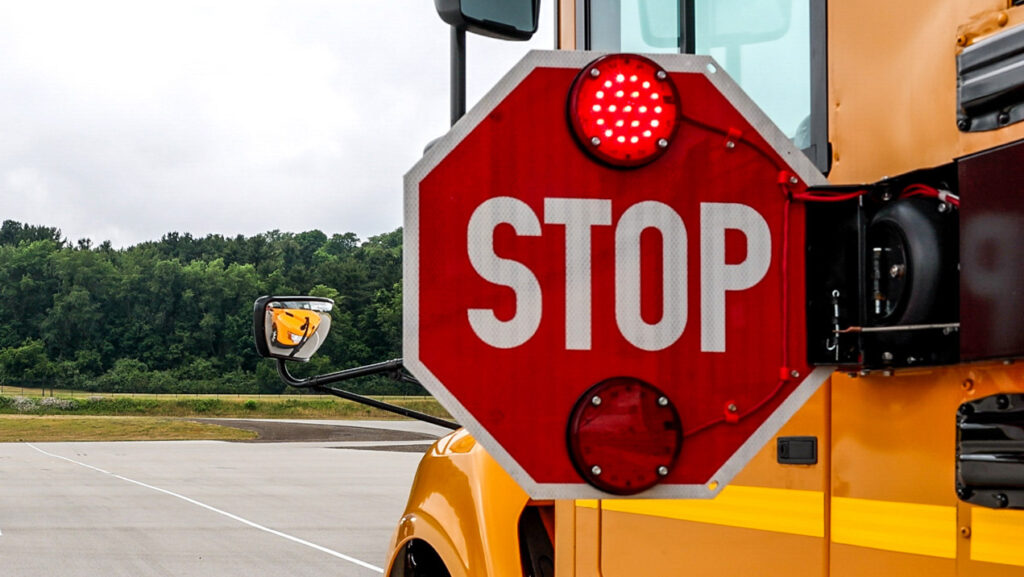
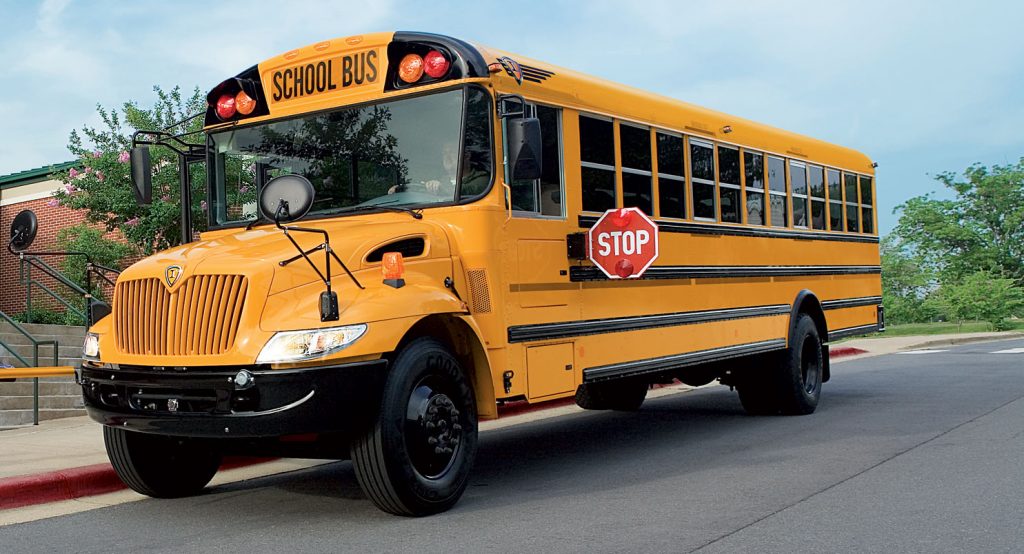
Scots rented school buses
Scotland plays its first match of the tournament in Foxborough, Massachusetts, about 80 km from Boston. For those staying in Boston, train tickets will cost $80, and bus tickets $90 — roughly three times the usual price.
To counter these excessive transportation fees, hundreds of Scottish football fans have hired 20 school buses to take them to the game. Instead of staying in Boston, they are staying in Providence, Rhode Island. According to the group, fans will now only have to pay $38 for a round trip on one of the school buses to the game and back.
Moreover, they managed to convince local police to escort the school buses from the city to the highway, reports the BBC.
Public transport prices are rising
While the costs associated with getting to Scotland’s first game against Haiti on June 14, and then the second match in Foxborough against Morocco, are high, this is far from the most outrageous public transportation expense.
On June 27, the final group stage match between England and Panama will take place at MetLife Stadium in New Jersey. Many fans are expected to travel from Manhattan, New York, to the game by train, which usually costs $12.60. However, NJ Transit will charge $150 for round-trip tickets for this match.
Not all cities have raised prices
Interestingly, not all host cities have raised public transport prices for visitors. In California, a trip from Claremont or Simi Valley to SoFi Stadium by bus or train will cost only $1.75, which is the regular price. Similarly, the Trinity Railway Express in Dallas will maintain regular fares of $6 for round trips for those traveling to local games. In Atlanta, one-way tickets to and from Mercedes-Benz Stadium will cost only $2.50.
This contrast in pricing policies between different cities raises questions about the fairness and accessibility of transport for fans during major sporting events. Scottish fans, by choosing an unconventional approach with school buses, not only saved significant money but also drew attention to the issue of inflated fares. Their example could inspire other fans to seek alternative, more economical ways to get around, which in turn could force transport companies to reconsider their pricing strategy in the future. At the same time, the decision by some cities to keep prices at usual levels shows that concern for the comfort and budget of guests is not a priority for all organizers.