 by
by The US National Highway Traffic Safety Administration (NHTSA) has taken the first step toward banning certain Chinese airbag inflators. Key facts:
Defect Recognition and Consequences
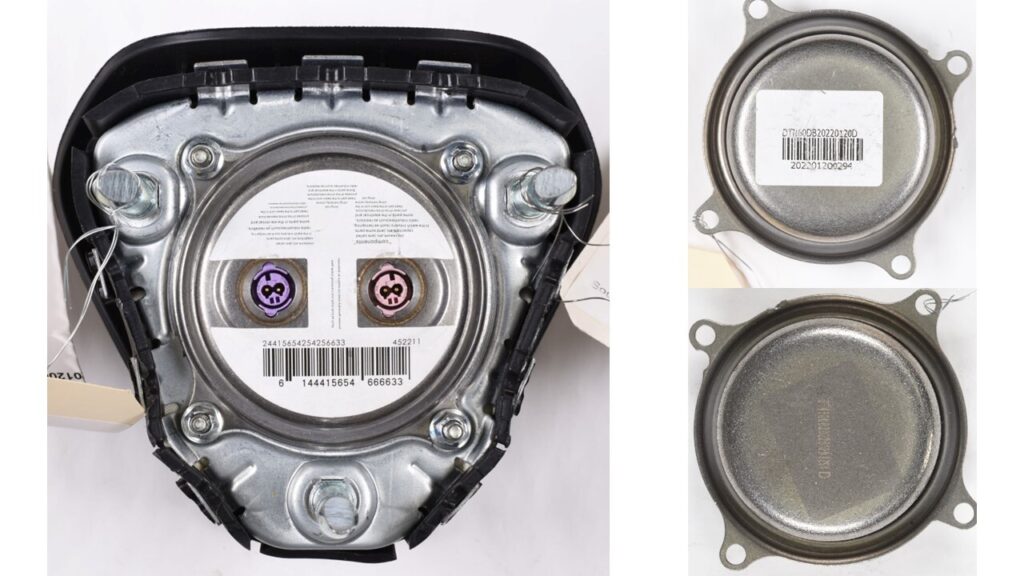
NHTSA has recognized that some inflators manufactured by Jilin Province Detiannuo Safety Technology Co., Ltd (DTN) have a defect affecting safety. This decision comes after 12 incidents of these devices rupturing, resulting in ten deaths and two serious injuries.
The US government states that these airbags are imported into the country by unknown importers, “likely illegally.” Although some questions remain, the United States is considering implementing a permanent ban on the sale of such products.
Ban Procedure and Risks
NHTSA’s preliminary decision is part of this process and initiates a period of public comment. DTN will also have the opportunity to challenge the allegations. After this procedure is completed, NHTSA will make a final decision, which could lead to a ban on the inflators, including those installed in airbags and sold separately.
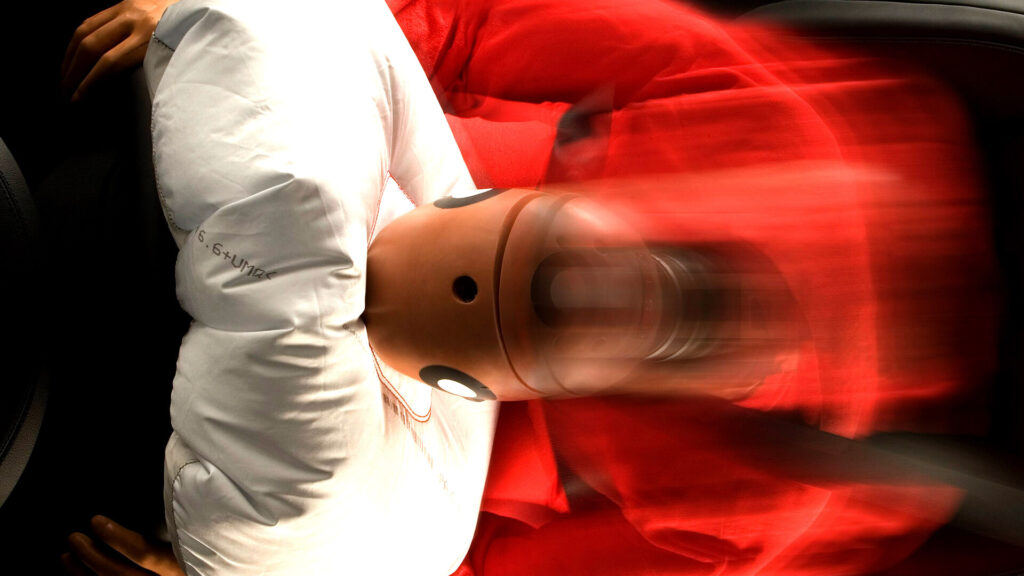
The government also stated that these “substandard Chinese airbag inflators” explode, scattering large metal fragments into the chest, neck, eyes, and face of drivers. The investigation into them has been ongoing since last October, and NHTSA is still trying to determine how many such devices have entered the United States.
Which Car Models Are at Risk?
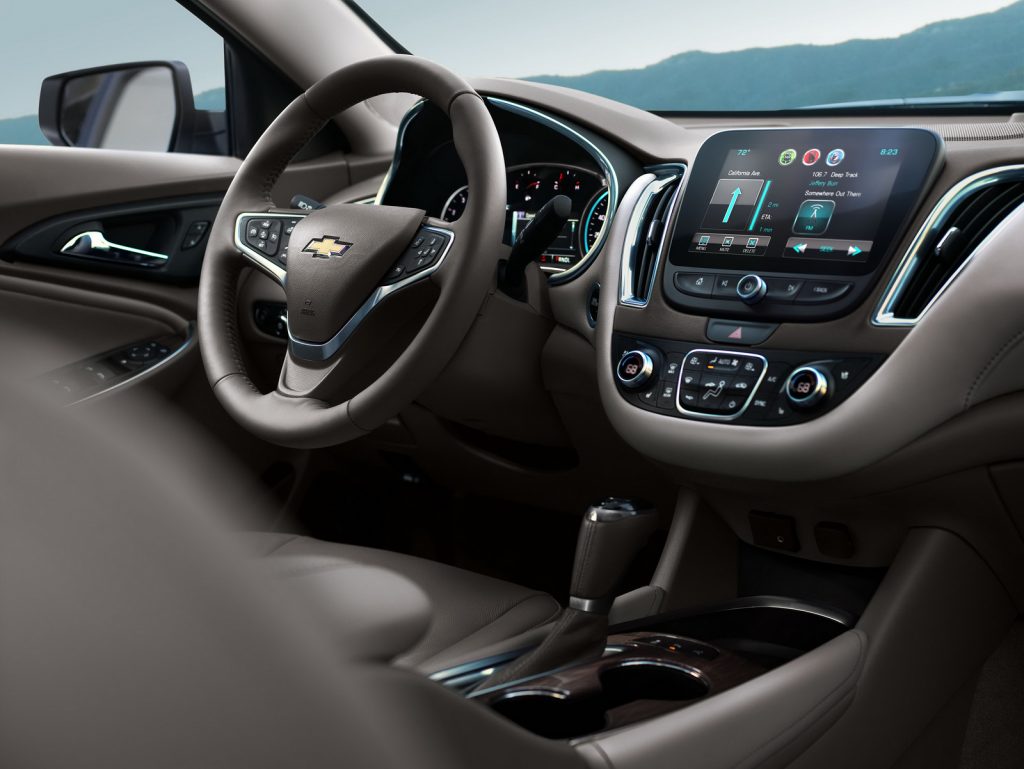
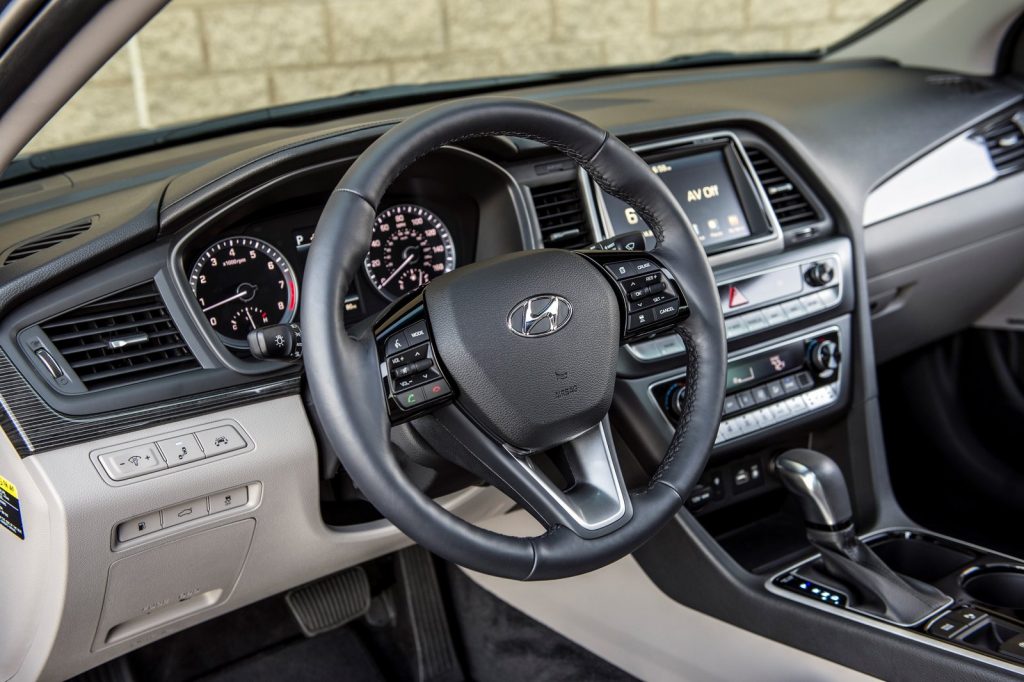
All known incidents have occurred with Chevrolet Malibu or Hyundai Sonata vehicles, but there is a possibility that the risk is not limited to these models. The government previously stated that many of these vehicles had been salvaged or rebuilt.
This suggests that repair shops may have tried to save money by purchasing questionable airbags that may have been imported illegally. The results, however, are fatal, as, noted earlier, drivers die in “crashes that otherwise could have been survivable.”
Recommendations for Car Owners
Unfortunately, it is difficult to determine exactly which inflator is installed in your vehicle. Despite this, NHTSA urges owners of used vehicles to check the vehicle’s history and find out if their car was previously involved in an accident. If the vehicle was in an accident and the airbag deployed after 2020, they should immediately check the model “to ensure the airbag is a legal replacement, equivalent to the original.”
If a DTN inflator is discovered during the check, the vehicle should not be used until it is replaced. People are also encouraged to report such cases to their local FBI office.
Authorities’ Position and Further Actions
US Secretary of Transportation Shawn Duffy stated: “Our preliminary investigation into the use of illegal Chinese airbags in auto repair shops has revealed a troubling trend: these substandard parts are killing American families.”
Lawsuits Filed
Given the numerous fatalities, it is not surprising that lawsuits have already been filed. Andrew Parker Felix of the law firm Morgan & Morgan is behind three of them and released a statement saying:
“NHTSA’s recognition of the danger posed by these airbag inflators is a critically important first step toward preventing these illegal, counterfeit devices from entering commerce and, ultimately, vehicles.”
Felix added:
“In every case we have reviewed, the crash should have been survivable. Instead, the airbag inflator allegedly acted like a grenade, turning what is supposed to be a life-saving device into a death sentence.”
This situation is reminiscent of the massive Takata airbag scandal several years ago, where defective inflators also led to fatal injuries from shrapnel. The current DTN story points to ongoing problems in the global automotive parts supply chain, particularly in the refurbished parts market, where quality control may be insufficient. It also highlights the challenges faced by regulators in a world where parts can easily cross borders and their origin can be deliberately obscured. For car owners, especially of used vehicles, this is another signal of the critical importance of checking a vehicle’s history and the origin of key safety components after major repairs.