 by
by NHTSA proposes scrapping brake pedal requirements for driverless cars
Autonomous vehicles (AVs) are still evidently the future, but certain obstacles must be overcome first. Clearing the way for an AV-filled future includes removing physical controls. Now the federal government is taking a step in that direction. NHTSA has just proposed a new rule that would eliminate the requirement for manual brake controls in vehicles designed to operate exclusively with automated driving systems.
More: Zoox unveils its production-ready robotaxi, coming later this year
If the proposal is approved, it would remove one of the biggest regulatory hurdles standing between companies like Tesla and specialized robotaxis and large-scale deployment. The proposal is part of the Trump administration’s Framework for Automated Vehicles. It exists to modernize federal motor vehicle safety standards, which were written assuming every vehicle has a human driver. However, this does not give a green light to AVs having lower braking performance requirements.
Same standards, different testing
Autonomous vehicles will still have to meet the same braking distance standards as conventional cars, but through alternative testing methods. Likewise, vehicles that retain steering wheels and pedals will continue to be subject to current regulations. The real change is in creating a path so that companies wanting to build cars without pedals can do so with confidence that testing will be legal.
The agency says it is simultaneously working on broader performance standards for autonomous driving systems and will continue investigating defects, dangerous behavior, and recalls related to self-driving technology.
What this means for Tesla and Zoox
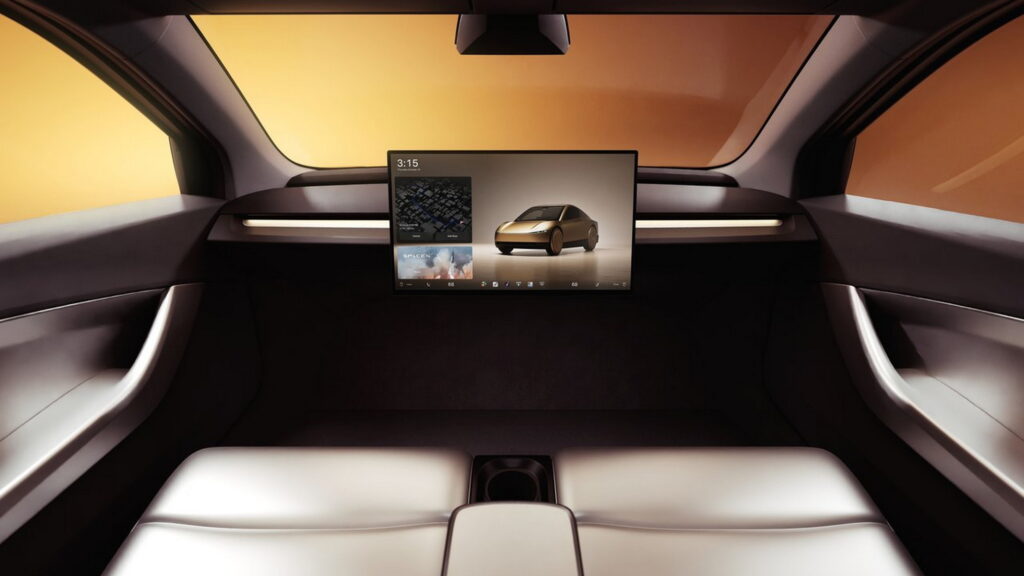
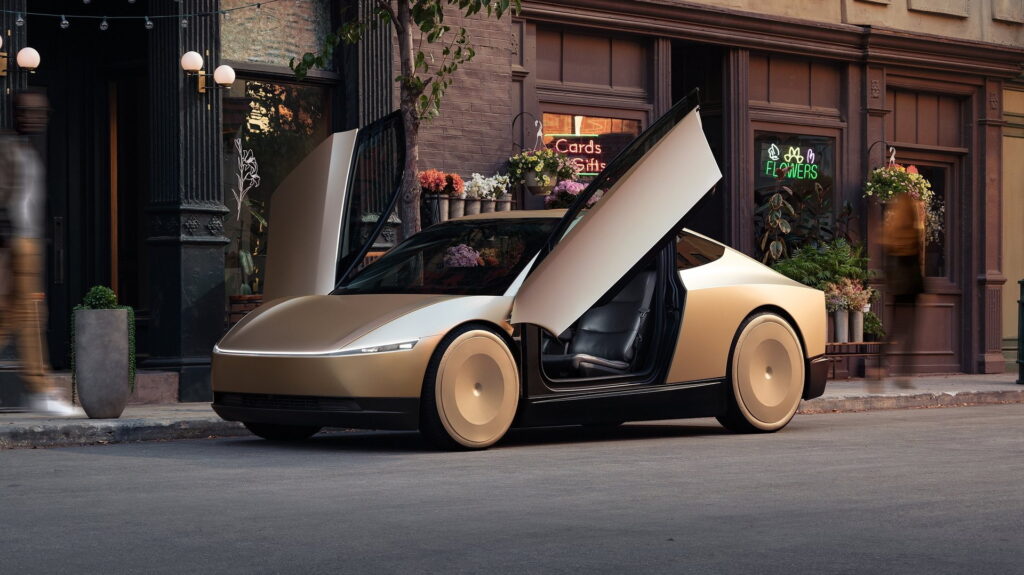
This change could be particularly significant for Tesla. The automaker’s Cybercab concept was designed from the start without a steering wheel or pedals, but current regulations have cast doubt on its future.
Tesla has instead focused on launching a limited robotaxi service in Austin, pending regulatory changes. The company has also stated it could add a steering wheel and pedals if absolutely necessary. Meanwhile, Zoox has already obtained exemptions allowing it to test its specialized robotaxi and is seeking permission for commercial operation.
The proposal now enters a 30-day public comment period. If finalized, it could be another important milestone in transforming autonomous vehicles from heavily regulated exceptions into products built on an entirely different set of assumptions than the cars most of us drive today.
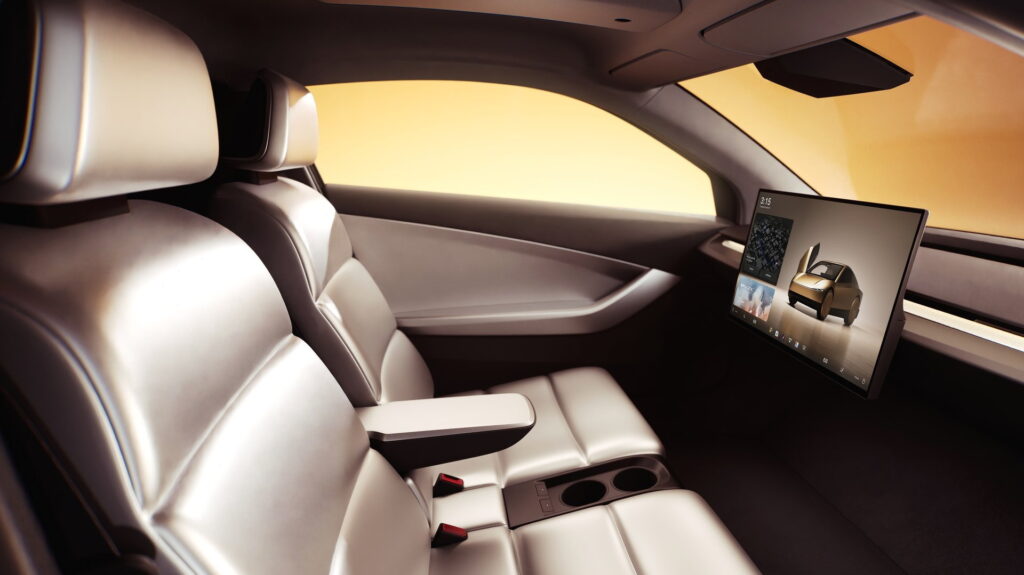
Photo: Tesla
This NHTSA initiative is a logical step in preparing the regulatory framework for the mass adoption of driverless technologies. Eliminating the brake pedal requirement for fully autonomous cars not only simplifies the design of such vehicles but also signals a paradigm shift: regulators are beginning to recognize that driverless systems can be safer than humans, even without traditional controls. For Tesla, this opens the path to series production of the Cybercab, and for Zoox, to the commercialization of their robotaxi. At the same time, it is important that safety standards, particularly braking distance, remain unchanged, which should prevent potential risks. The subsequent 30-day comment period will allow experts and the public to share their views before a final decision is made.