 by
by Volkswagen considers selling and producing Chinese models in Europe
Volkswagen is moving closer to implementing an idea it once considered unacceptable. Models developed in China could appear on the European market and eventually roll off the assembly lines of German factories. The company has already commissioned a feasibility study to determine whether this plan is financially viable. Many will view this idea negatively, but it could become a lifeline for VW.
According to sources familiar with the situation who spoke to Handelsblatt, the study covers both the import of finished cars from China and the possibility of assembling them or producing key components in Europe. At the same time, company representatives emphasize that the proposal remains under review and could be rejected.
First steps and possible models
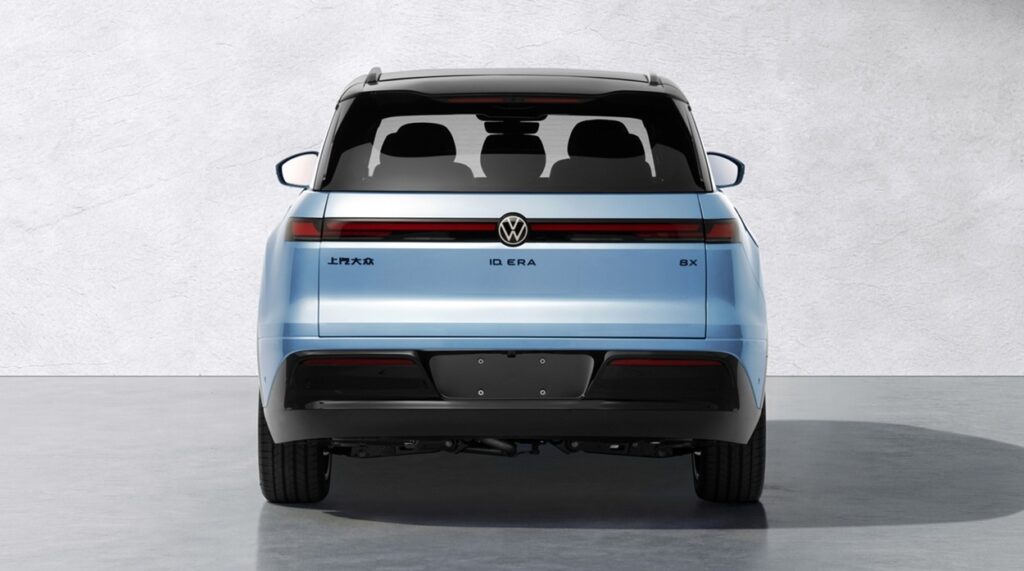
Rumors about the potential import of VW vehicles produced in China to Europe first emerged in May following statements by company CEO Oliver Blume. At the time, the ID.Era 9X model, currently produced in China alongside SAIC, was discussed. However, Handelsblatt now reports that VW is leaning towards a different vehicle for import, one not yet launched in China, indicating a shift in plans.
The new model is likely to be close in size to the VW Touareg and will be based on the Chinese scalable CSP platform. Importantly, this platform will be VW’s own development, not a joint one with SAIC, giving the German brand full control over the technology. The vehicle will need adaptation to European requirements, including changes to driver assistance systems, materials, and software.
How to avoid tariffs?
Any vehicles VW imports to Europe from China will be subject to customs duties, and this is a key issue. For example, the Cupra Tavascan, currently produced in China and exported to Europe, received a tariff exemption because it primarily uses European technology. Other VW models are unlikely to receive the same exemption.
Current EU countervailing duties on Chinese-made electric vehicles vary: for SAIC they are 35%, for BYD — 17%, and for Tesla — less than 8%, not including the standard EU import tariff.
Producing these vehicles in Europe would be an obvious way to avoid duties. Unnamed sources point to the company’s plant in Zwickau as a possible location, although no final decision has been made. The key advantage of producing Chinese models at local facilities is the ability to increase capacity utilization at VW’s German plants.
Worker representatives are reportedly open to evaluating additional models developed in China, provided they complement, rather than replace, existing commitments to German plants.
Not everyone supports the idea
However, not all VW executives share Blume’s enthusiasm. According to a company insider, VW CFO Arno Antlitz warned of the danger of “manufacturing cars from completely unrelated competitors in China and then branding them under Volkswagen’s quality image.”
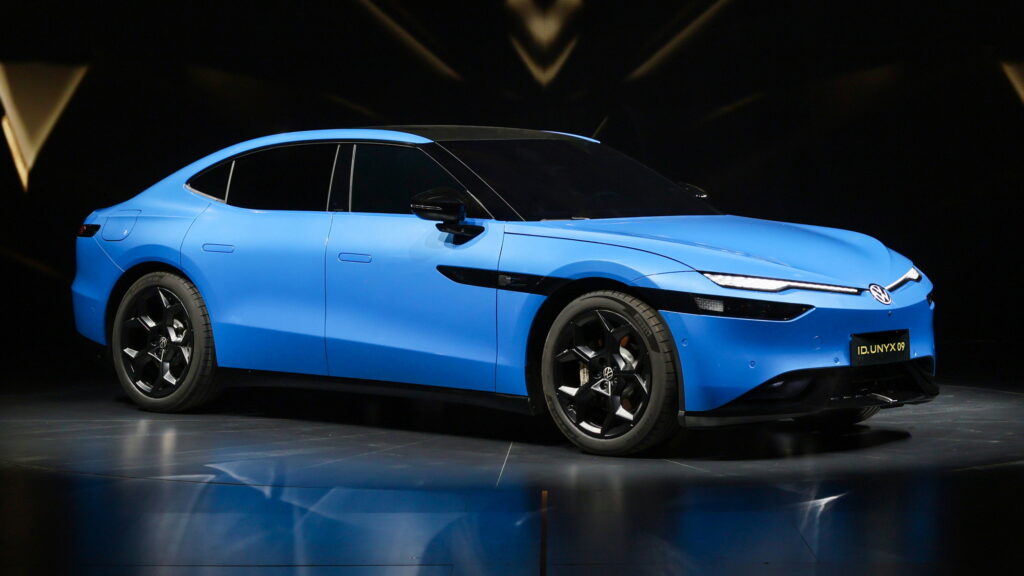
This situation demonstrates a deep internal conflict at Volkswagen: on one hand, the company seeks to use Chinese developments to reduce costs and increase competitiveness, and on the other, it fears diluting its brand and losing consumer trust. The decision on importing or localizing Chinese models will be a test of VW’s ability to adapt to new market realities, where China is no longer just a manufacturing site but a center of innovation. If the company can find a balance between economic benefit and preserving its reputation, it could mark the beginning of a new era for the German automotive industry, where the boundaries between “Chinese” and “European” become increasingly blurred.