 by
by Ford changes strategy: electric demonstrators give way to hybrids and ICE
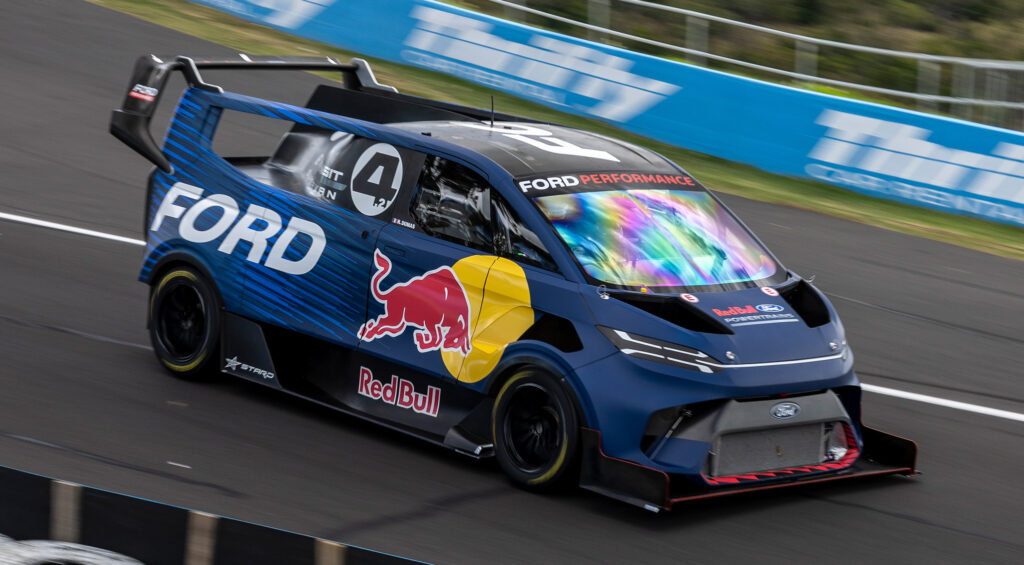
Ford has decided to revise its electrification plans, writing off billions of dollars. However, this does not mean abandoning the creation of impressive technical demonstrators such as the SuperVan 4.2. Future models may receive internal combustion engines.
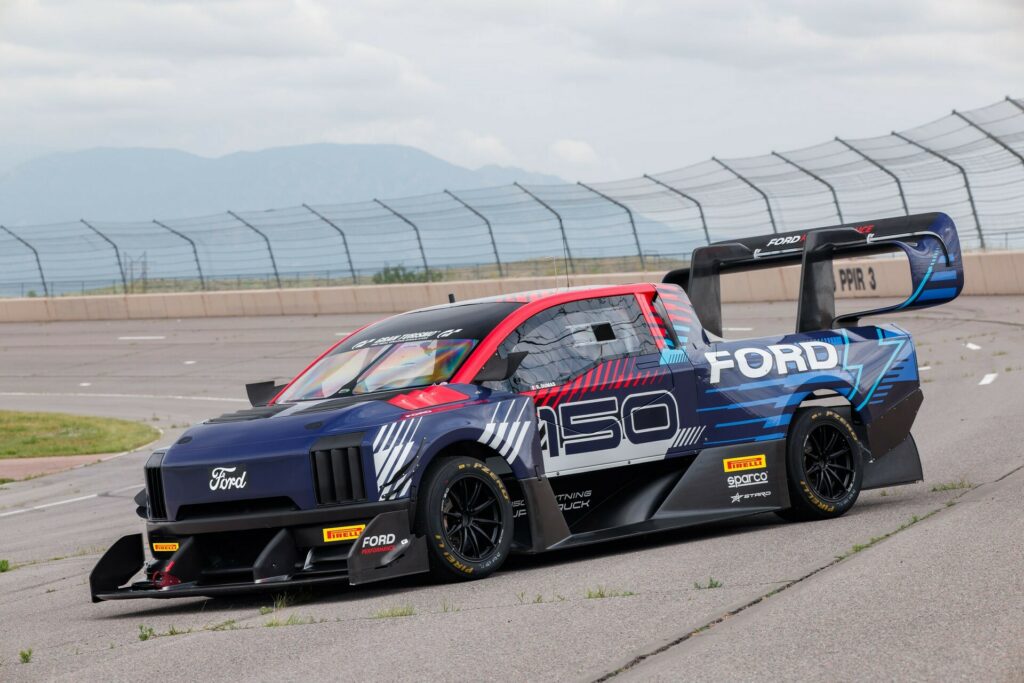
The program started before the COVID-19 pandemic, when Ford sought to prove that electric vehicles could be exciting. The first fully electric ‘hero’ was the Mustang Cobra Jet 1400, and the company continued to create the Mustang Mach-E for NASCAR and the Pikes Peak hill climb, the F-150 Lightning SuperTruck, the Mustang Cobra Jet 2200, several SuperVans, and the F-150 Lightning Switchgear.
In an interview with Autocar, Ford Racing boss Mark Rushbrook stated that Ford remains committed to creating such unique projects but will no longer limit itself to electric powertrains alone. This is encouraging news, although the exact timeline for the first new models is not yet known.
‘We will continue to create demonstrators, but we will not limit ourselves to electric only,’ said Rushbrook. ‘There are still many electric vehicles in our future, but also many hybrids and vehicles with internal combustion engines. So we will make more demonstrators, and you will see a variety of powertrain technologies in them, not just fully electric ones.’
Collaboration with Red Bull and new opportunities
The head of Ford Racing added that thanks to the partnership with the Formula 1 team Red Bull, the company gains invaluable experience in developing cutting-edge hybrid powertrains. Combining this experience with Ford’s years of knowledge in creating high-performance engines could be a recipe for creating something truly outstanding.
Why not Formula E?
Rushbrook explained that Ford chose the path of creating its own unique prototypes instead of participating in series like Formula E due to greater flexibility and freedom.
‘We did not feel that existing electric series were suitable for us,’ he noted. ‘This is not a criticism of them, but we wanted to have the opportunity to truly learn on a blank canvas, and a series like Formula E is restrictive. With demonstrators, we can do whatever we want, whether it’s a Transit, F-150, Mustang Mach-E, or even a Mustang coupe.’
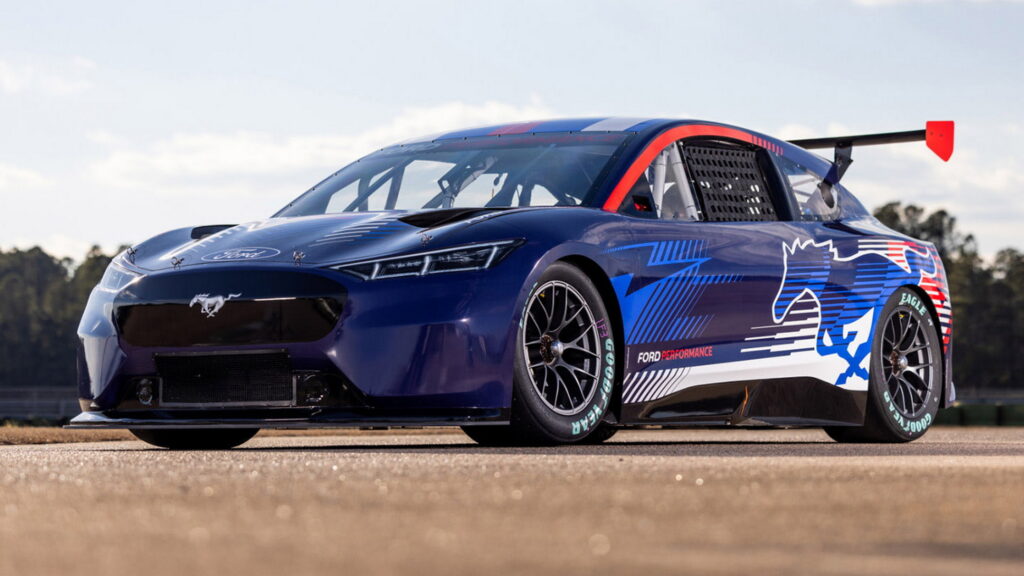
This approach allows Ford not only to experiment with different body types and chassis but also to test the boldest engineering solutions without regard to competition regulations. The abandonment of a rigid attachment to electricity opens the door to creating hybrid monsters that can combine the instant response of electric motors with the power and sound of traditional engines. This indicates that Ford seeks to find an optimal balance between environmental friendliness and driving excitement, without renouncing its DNA as a manufacturer of sports cars. It remains only to wait which demonstrator will be the first to embody this new philosophy.