 by
by Global Market Shifts Focus
The global electric vehicle market continues to show unexpected trends. Demand for battery electric vehicles and plug-in hybrids is growing worldwide, but almost exclusively thanks to Europe. Meanwhile, two previously leading markets are losing momentum.
According to data from Benchmark Mineral Intelligence (BMI), approximately 1.6 million electric vehicles and hybrids were sold globally in April. This is 6% more than in April last year, although 9% less compared to March, when the expiration of subsidies and rising fuel prices spurred buyers to make more active purchases. Europe is making the main contribution to growth.
Europe: Rapid Growth Despite a Decline
Electric vehicle sales in Europe fell 24% compared to March but jumped 27% compared to April last year, reaching just over 400,000 units. Italy nearly doubled its volumes, France grew by 36%, and Germany by 33%. The war in Iran also influenced this trend: sales of electric vehicles and hybrids grew by 19% year-on-year in January-February before the conflict began, then accelerated to 30% in March-April.
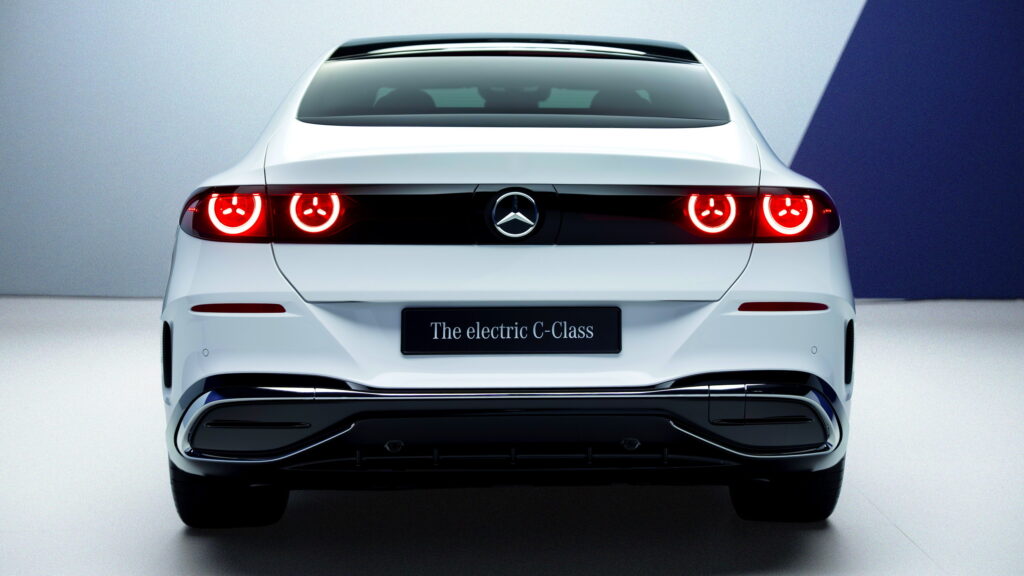
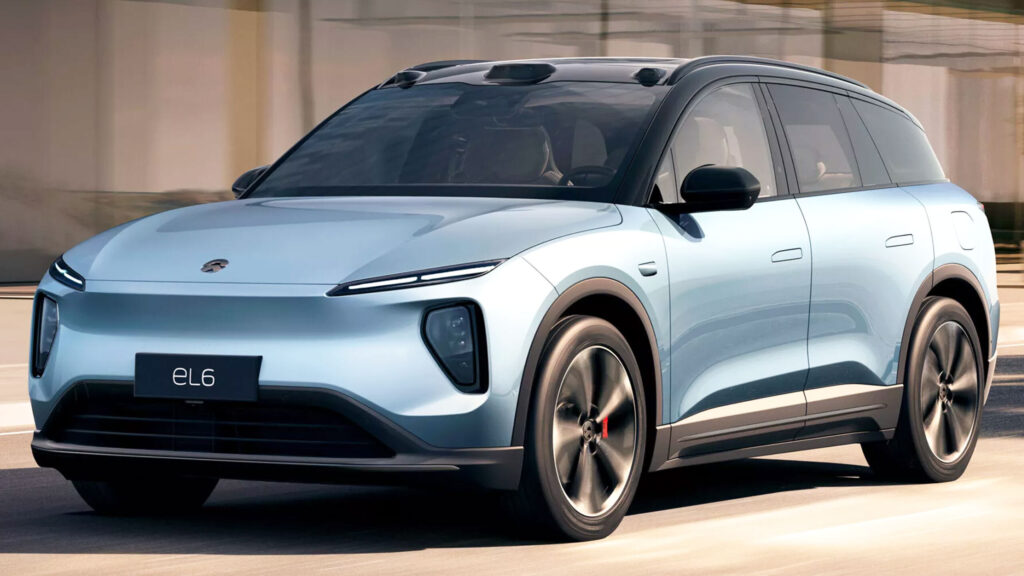
The increase in demand is also supported by a growing number of Chinese brand cars in the region. This year, 22% of all electric vehicles sold in Europe were manufactured in China, despite existing tariffs.
North America: Sales Decline
The situation in North America is drastically different. Total sales of electric vehicles and hybrids since the beginning of the year have fallen by 25%, and in Mexico by 50%. Overall, approximately 120,000 electric vehicles and hybrids were sold in North America in April, which is 28% less than last year. For the first four months of 2026, the total sales volume was about 450,000 units. The introduction of the Electric Vehicle Affordability Program in Canada could help stimulate sales by the end of this year.
Global Sales of Electric Vehicles and Hybrids
| Region | April 2026 | Year over Year | Month over Month | Year to Date | 2026 vs 2025 |
| China | 850,000 | -8% | -1.0% | 2.8 million | -17% |
| Europe | 400,000 | 27% | -24.0% | 1.6 million | 26% |
| North America | 120,000 | -28% | -9.0% | 450,000 | -25% |
| Other Regions | 240,000 | 110% | -4.0% | 840,000 | 89% |
| World | 1.6 million | 6% | -9.0% | 6 million | -0.20% |
China: Domestic Decline and Export Boom
Sales also fell in China. Since the beginning of the year, they declined by 17% to approximately 2.8 million units, with the decline mostly concentrated in the smaller car segment due to changes in subsidies introduced at the start of the year. Overall, about 850,000 electric vehicles and hybrids were sold in China in April, 8% less than last year.
Chinese automakers are compensating for the domestic shortfall through exports. From January to April, 1.4 million electric vehicles and hybrids were shipped to export markets, more than double the figure for the same period in 2025. Cars continue to be produced, but they are increasingly sold outside the country.
Thus, the global electric vehicle market is undergoing a period of structural adjustment. Europe, which was previously lagging behind, is now becoming the main growth engine, while China, despite a decline in domestic sales, is actively ramping up its export expansion. North America, on the contrary, faces a significant drop in demand, which may be related to both economic factors and changes in incentive policies. Interestingly, the total number of cars sold worldwide remains almost unchanged compared to last year, indicating a redistribution of market shares rather than global growth or decline. The impact of geopolitical factors, such as the conflict in Iran, also adds uncertainty and could lead to further changes in consumer preferences and supply chains.