
 by
by Ford has implemented a new quality control procedure that involves the daily disassembly and thorough inspection of one freshly assembled engine from the production line. According to the automaker, this method is already helping to reduce the number of recalls.
How does it work?
Previously, Ford would pull an engine from the conveyor for inspection roughly once every three months. Now, as part of a massive quality improvement campaign, one engine is removed from the line daily, completely disassembled, and inspected. This takes place at all Ford plants that produce engines, including the Essex Engine Plant in Canada.
Plant manager Neil Wilson told Road & Track that the company decided to implement these changes after discovering that engines assembled at the plant in Valencia, Spain, had the highest quality. It was there that engines were disassembled daily, so Ford decided to apply this practice at other facilities.
The role of artificial intelligence
Wilson also stated that Ford uses artificial intelligence to predict which engines may have components that fall outside strict tolerances. These are precisely the engines pulled from the line for inspection. If the AI tool detects a potentially problematic engine, it marks it with yellow or red flags and informs workers which part of the engine may have a defect.
“We also use technology – it’s predictive monitoring based on AI of specific measurement points on the line, key characteristics,” he said. “So we identify what we believe are leading indicators of potential failures, and we have AI systems that track anomalies in normal process control.”
First results
Ford claims it is already seeing a reduction in warranty claim rates after implementing this new policy. These rates are designed to extrapolate the warranty issues a vehicle may encounter over its lifespan based on data from three months, one month, and zero months of operation.
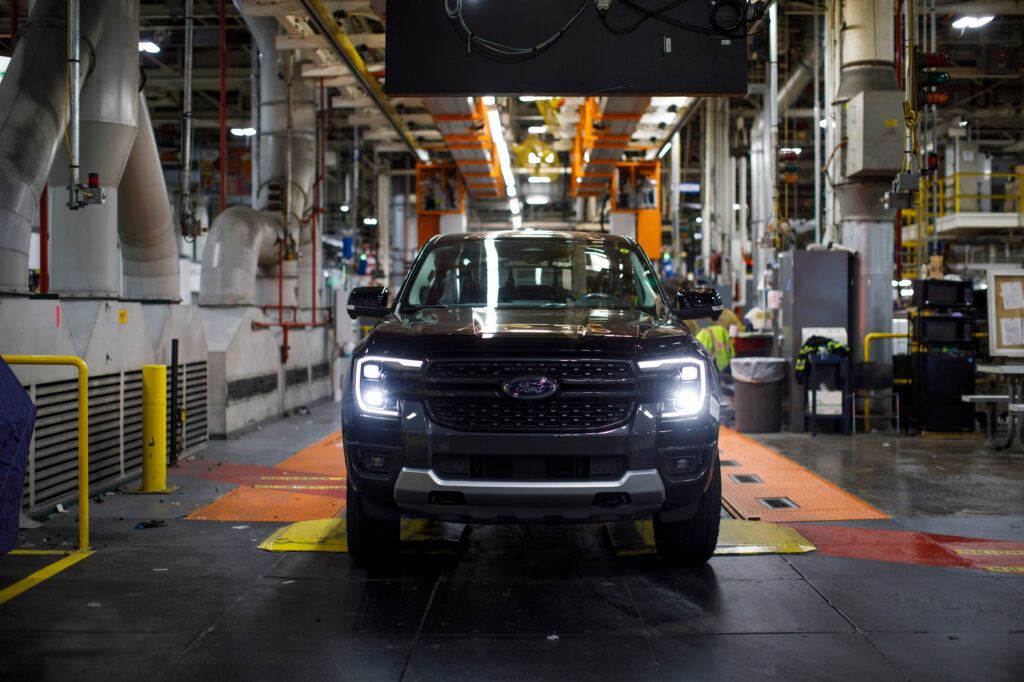
Currently, Ford still recalls more vehicles than its competitors, but notes that this often concerns older model generations. Improvements in the quality control process will likely take several years to significantly reduce the number of recalls Ford initiates.
This move by Ford is a telling example of how manufacturers are trying to solve quality problems early in the production process, rather than relying solely on statistical control of finished products. The daily destruction of an engine, although it looks like a waste of resources, can actually save the company millions of dollars that would otherwise go toward mass recalls, lawsuits, and warranty compensation. The use of AI to detect potential problems before they lead to a defect signals a shift from reactive to proactive quality management. For Ford, which in recent years has had a reputation as a brand with frequent recalls, such initiatives are critically important for restoring consumer trust.