 by
by GM demands automation from suppliers: new standards and risks for business
General Motors is implementing a new automation policy for its key suppliers. The company expects them to significantly increase the use of robots and artificial intelligence in production processes. Those who fail to meet the new requirements risk losing future orders. GM emphasizes that this will help create a “resilient and world-class” supply chain, although it may lead to job cuts.
How the new evaluation system works
In March, GM began sending surveys to suppliers as part of the launch of the Overall Automation Maturity Index (OAMI). The essence is simple: suppliers must audit their production facilities and assess their level of automation according to GM’s criteria. The assessment covers the entire process — from raw material procurement to production and final delivery. In some cases, GM also conducts audits at supplier plants.
Five levels of automation and a high bar
There are five levels of automation: from manual labor to basic mechanization, semi-automation, integrated automation, and a “smart factory” with adaptive automation. According to Crain’s Detroit Business, GM is setting a high bar — a target score of 4.5 out of 5. Executives at several supplier companies noted that, in their view, work is expected to achieve this level, otherwise future contracts could be lost, although GM has not set a single deadline for this.
Real consequences: robots and layoffs
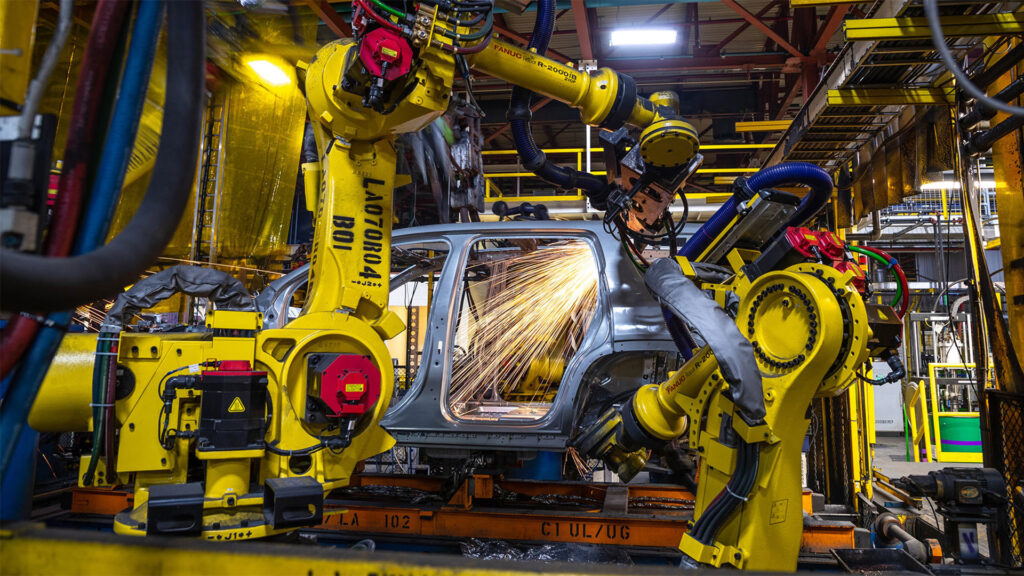
At GM’s Factory Zero plant in Detroit, about 50 Fanuc robots were recently installed. At the same time, over 1,000 workers remain laid off, sparking anger from the UAW union. Union President Shawn Fain called artificial intelligence and mass automation a serious threat, stating that this is a fight for humanity.
Although GM assures that the policy is not mandatory and no deadlines have been set for suppliers, some believe that failing to meet the standards could cost them future orders. The automaker insists it wants to help its partners.
GM’s official position
“Ultimately, we are here to collaborate with suppliers and help them set benchmarks, improve productivity, safety, quality, and competitiveness,” said GM spokesperson Patrick Sullivan. “Our suppliers decide for themselves how best to run their business, and we are committed to working with those who share our drive to continuously improve how we safely deliver the highest quality vehicles to our customers.”
Supplier concerns and doubts
For some suppliers, significant changes in automation can be challenging. Many worry about the cost, sources of funding, and how savings will be shared with GM. Others question whether it is advisable to implement automation in plants where it is not necessary.
What the ideal result looks like
To achieve a score of 5, suppliers need to have a minimal number of workers directly involved in manufacturing parts. Human operators would only perform supervisory functions, strategic planning, and exception management, taking almost no part in operations. This points to a future where automation and robots could take away millions of jobs across various industries.
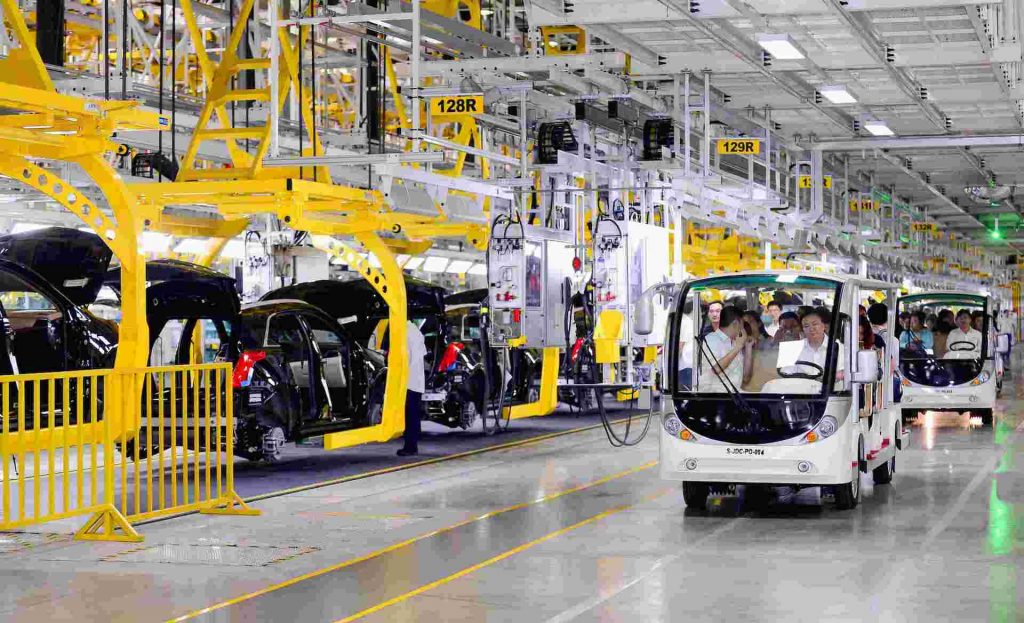
This GM initiative is part of a broader trend in the automotive industry, where manufacturers are increasingly relying on automation to improve efficiency and reduce costs. However, it also raises important questions about the future of jobs, corporate social responsibility, and the balance between technological progress and human capital. For suppliers, this means the need for significant investment and adaptation, which could lead to market consolidation, where only the most technologically advanced companies survive. At the same time, as the example of the Detroit plant shows, automation often comes with workforce reductions, exacerbating conflicts with unions and sparking public outcry.