 by
by China takes on regulation of reclining seats in electric vehicles
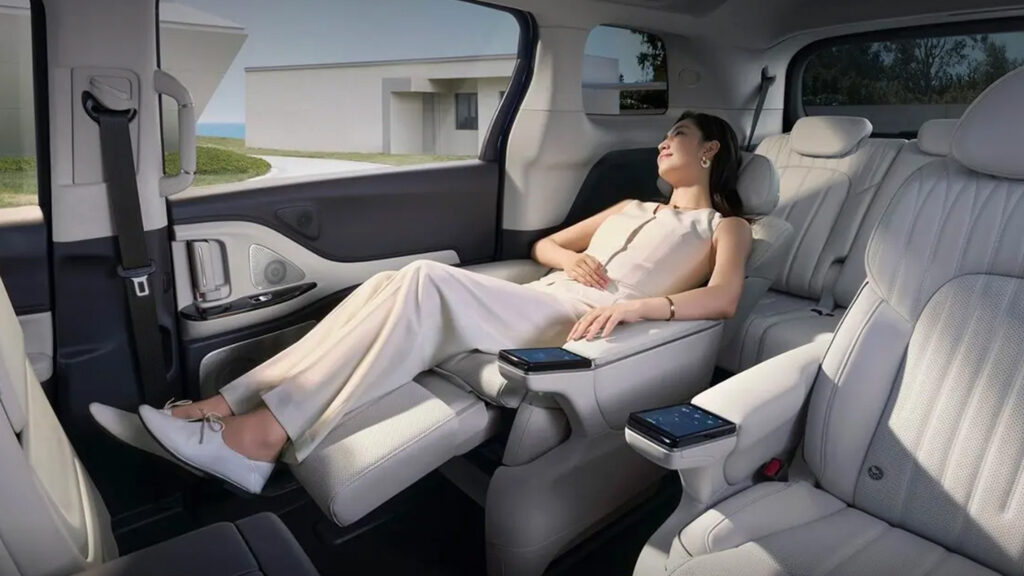
China, which once became the cradle of many bold trends in the world of electric vehicles, is now beginning to reconsider some of them. After restrictions on hidden door handles and huge touchscreens, regulators have turned their attention to seats with deep reclining mechanisms, known as “zero gravity” seats. They are found not only in modern electric cars, but also in some luxury vehicles with internal combustion engines.
The concern has a serious basis. When passengers are almost lying down during an accident, seat belts and airbags cannot properly protect them. China’s Ministry of Industry and Information Technology warned this week that people sitting in a heavily reclined position may “submarine” under the seat belt.
Such seats, resembling lounge chairs, are becoming increasingly popular in Chinese electric vehicles as manufacturers compete to transform cabins into mobile living rooms. Many models now feature massage seats, huge screens, ambient lighting, and enough legroom to encourage passengers to nap during the ride.
Regulators against “mobile relaxation rooms”
However, regulators appear to be increasingly concerned that cars are becoming primarily mobile relaxation zones and only secondarily vehicles. The proposed rules, which the public can comment on until July 25, are part of a much broader Chinese push for safety that is changing how cars are designed.
Earlier this year, China banned retractable door handles after several high-profile accidents raised concerns about emergency exit failure during crashes. One fatal incident reportedly left passengers trapped in a burning electric vehicle when the electronic handles failed to work properly.
Wheels and screens already in the crosshairs
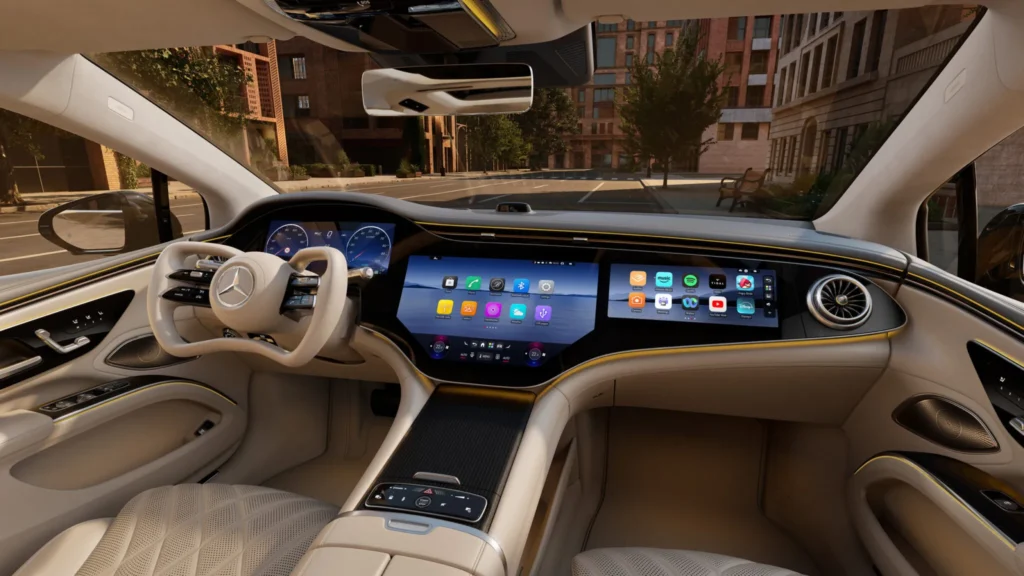
Yoke-shaped steering wheels have also drawn attention, as regulators fear drivers may have difficulty maintaining control in emergencies. One-pedal driving systems have also faced criticism, partly because some drivers reportedly rely too heavily on regenerative braking and react more slowly when needing to use conventional brakes.
Even huge infotainment screens are no longer escaping scrutiny. China previously proposed rules requiring physical controls for key functions such as hazard lights, turn signals, gear selection, and emergency calls—a step back from the minimalist interiors inspired by Tesla.
China as the chief arbiter of safety
Such state actions show how quickly China’s role has changed. The country spent years promoting futuristic ideas for electric vehicles more actively than others, helping to popularize ultra-fast acceleration, living-room-style interiors, hidden equipment, and massive displays.
But now, China increasingly looks like the strictest safety arbiter in the automotive industry. And since it remains the world’s largest electric vehicle market, these decisions are unlikely to stay within its borders for long.
BYD, Voyah
This move by Chinese regulators is a logical continuation of a global trend where automotive innovations outpace safety standards. While comfort and technological advancement are important advantages, especially in the rapidly developing electric vehicle market, passenger safety remains a priority. The fact that China, which often sets trends, is now acting as a regulator could significantly impact how automakers worldwide balance luxury, innovation, and life protection. Other countries will likely watch these changes closely, as China’s experience may become the foundation for new international safety standards.