 by
by Case Context and Positions of the Parties
For many years, tuners and automotive customization shops operated knowing their limits. Creating equipment or software that affects emissions systems could draw the attention of the federal government to any business. Earlier this year, the Trump administration made it clear it would no longer pursue criminal cases regarding devices that bypass emissions control systems. Now the rules have changed again, and the gray area has only expanded.
Scope of the Data Request
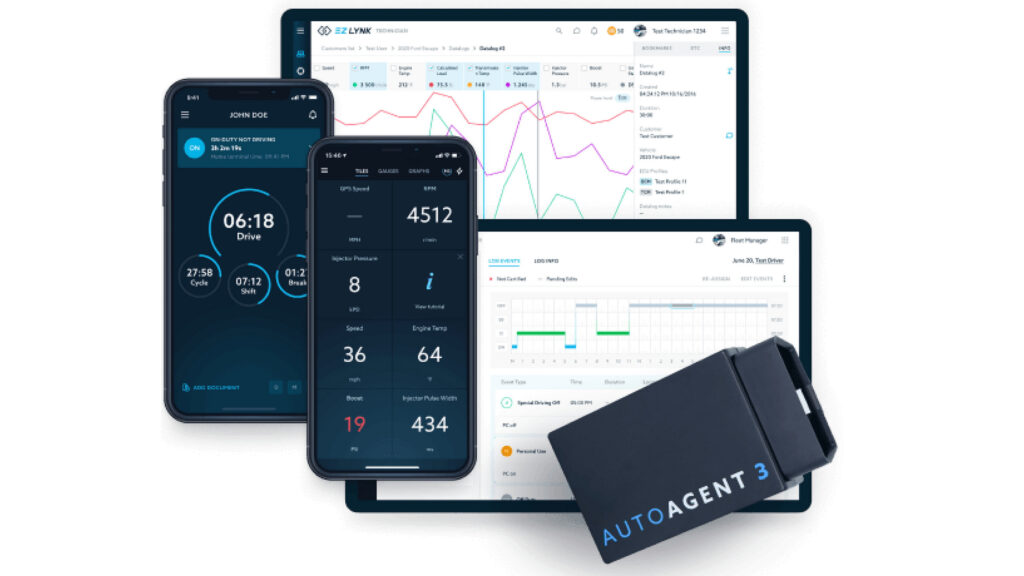
According to Forbes, the U.S. Department of Justice is demanding customer information related to the company EZ Lynk, which is at the center of a lawsuit regarding the Clean Air Act. Court documents indicate that prosecutors sent requests to Apple and Google for records of users who downloaded the car tuning app Auto Agent by EZ Lynk, while Amazon and Walmart reportedly received requests regarding equipment purchases. This is not about 10 or 20 records, but 100,000 or more.
Substance of the Allegations
The most surprising part of the allegations against the Cayman Islands-registered company EZ Lynk may be how little it was directly involved with the emissions of any specific vehicle. The app did not have a button to “dump gallons of fuel into the injectors.” Instead, it was simply a hub or platform. Users connected an OBDII device to their car and from there could track various vital functions. Apparently, the Department of Justice objects to the fact that the app also allowed tuners and clients to communicate through it.
From there, a shop could, at the owner’s request, send a firmware update through the app, and the owner could install it. This is essentially what hundreds, if not thousands, of tuners across the US do every day, but with the caveat that it happens in person, without the digital footprint that the Department of Justice is pursuing.

Arguments of the Government and the Company
The government’s position appears to be that EZ Lynk created an ecosystem designed to remove emissions systems, while the company claims it simply created a tool that can also be used for legal diagnostics, monitoring, and tuning. EZ Lynk states that Google and Apple plan to challenge the data request. Walmart apparently declined to comment.
Lawyers for EZ Lynk stated: “The investigation of this claim does not require the identification of every individual who used the product.”
If all this weren’t confusing enough, it gets worse.
Political Context and Contradictions
In January, the current administration openly stated it would cease criminal prosecution of cases related to interfering with emissions control system software. In fact, the Department of Justice ordered all such cases to be dropped. However, what we are seeing here is not a criminal case, which is likely why it continues. Theoretically, the Department of Justice could impose massive civil fines on EZ Lynk, but only if it can prove its case. To do that, it allegedly simply needs the private data of over 100,000 individuals.

Credit: EZ Lynk
This situation creates an interesting precedent where the stated relaxation of policy regarding criminal prosecution for emissions system tampering does not prevent aggressive civil investigations. The scale of the data request — over 100,000 individuals — raises serious questions about the limits of privacy and proportionality in law enforcement. If the court sides with the Department of Justice, it could create a new norm where technology platforms are forced to provide massive datasets of users based on fairly broad allegations. Conversely, if Apple and Google successfully challenge these requests, it could strengthen digital privacy protections even in cases involving environmental regulations. At the same time, the core issue of the case — whether a platform for connecting tuners with clients is a violation of the Clean Air Act — remains unresolved and could have far-reaching consequences for the entire automotive tuning industry in the US.